Buying on Plum Island can feel like choosing between two great lifestyles, but the real question is simpler: how do you want to use the property day to day? If you are weighing full-time living against a weekend or seasonal retreat, you need more than beach-house charm to make the right call. You need a clear view of access, maintenance, regulations, insurance, and how the island’s barrier-beach setting shapes ownership. Let’s dive in.
Why Plum Island ownership is different
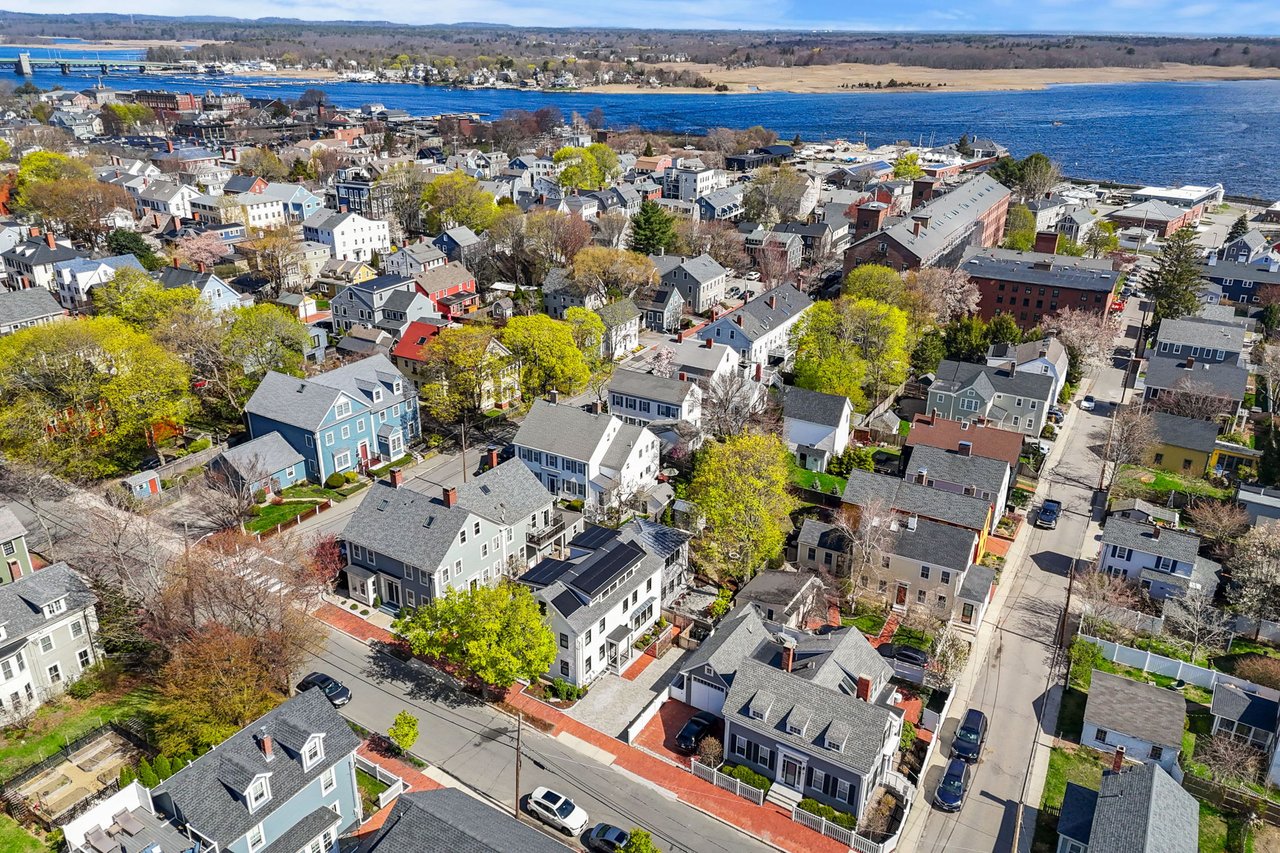
Plum Island is not a typical coastal subdivision. It is part of a barrier-beach system where dunes and marshes help protect the coastline from storms and flooding, and it sits within a broader protected coastal environment that includes the Great Marsh and the Parker River National Wildlife Refuge.
That setting is a big part of the island’s appeal, but it also affects nearly every ownership decision you make. Compared with an inland home or even a standard waterfront property, Plum Island ownership comes with more attention to floodplain rules, access limitations, weather exposure, and long-term maintenance.
Newbury planning materials identify Plum Island as an erosion hot spot and note that flooding is expected to become more frequent and more severe over time. In practical terms, that means the best-fit property for you depends not just on price or views, but on how comfortable you are with a highly regulated and weather-sensitive coastal environment.
What year-round living on Plum Island means
Living on Plum Island full time can be incredibly rewarding if you want a true coastal lifestyle through every season. It can also require a different level of planning than many buyers expect.
Daily life includes weather and access
Year-round residents need to think about access as part of normal life. The City of Newburyport has had to close Plum Island Turnpike during high-tide flooding, and narrow island roads can also affect access when utility work is underway.
Winter conditions add another layer. Some lower road sections and boardwalks in the refuge area can become inaccessible after snowstorms, which is a reminder that island living can be beautiful and variable at the same time.
Utilities are available, but not always simple
Plum Island is not off-grid. A comprehensive sewer project completed in 2005 sends wastewater to the Newburyport treatment plant, and Newburyport provides water service to Plum Island households and businesses in Newbury.
Still, utility service on the island has some complexity. Newburyport’s utility system includes 69 water-shutdown zones on Plum Island, and daytime work can come with access restrictions because the roads are narrow. For a full-time resident, that is part of the ownership picture.
Homes need to work in all four seasons
If you plan to live on Plum Island year round, the home itself needs to be suitable for winter conditions. Massachusetts advises homeowners to prepare for frozen pipes, ice dams, and winter heating risks, and insurance guidance notes that claims involving burst pipes may depend on whether the home was properly heated and not left unoccupied.
That matters because a house that feels perfect in July may need upgrades or a more careful systems review before it is ready for January. For many buyers, the question is not whether the home is attractive, but whether it is truly set up for four-season use.
Renovations and improvements face extra rules
On Plum Island, future plans matter almost as much as current condition. Newburyport’s homeowners guide states that all construction on Plum Island requires a building permit or Conservation Commission approval, or both.
New structures, additions, and substantial improvements must be elevated at least two feet above the ground surface or FEMA base flood elevation, whichever is higher. The same guidance discourages hard surfaces like asphalt, concrete, and pavers in favor of pervious materials that let sand and water move more naturally.
Newbury’s Plum Island Overlay District was created to reduce flood damage, preserve open space, and limit expansion of nonconforming structures. So if your long-term vision includes a larger deck, driveway changes, or a major addition, you will want to understand those constraints before you buy.
What seasonal or weekend ownership changes
For many buyers, Plum Island works best as a second home or escape. That choice can align naturally with the island’s beach, wildlife, and seasonal rhythms, but it comes with its own planning checklist.
Seasonal use often fits the island’s rhythm
If you want a retreat rather than a daily residence, seasonal ownership may feel more intuitive. Parker River National Wildlife Refuge notes that most of its beach is closed from April 1 to early August to protect nesting shorebirds, and beach access is limited to marked boardwalks and parking areas to help protect the dunes.
The refuge may also close vehicle access when lots are full, and winter snowstorms can limit access to parts of the refuge road. For a seasonal owner, this is less about inconvenience and more about understanding how public access and conservation shape the experience.
Vacancy planning becomes essential
A second home does not remove maintenance. It changes the type of maintenance you need to manage.
Massachusetts guidance says that if a home will be vacant through winter, owners should shut off water service at the street, drain domestic water lines and heating lines, and have the property checked weekly. Winterizing pipes and keeping the home properly heated can help prevent expensive freeze damage.
If you plan to leave the home unused for stretches of time, your ownership plan should include more than a lock-and-leave mindset. You need a clear system for monitoring the property, protecting plumbing, and managing cold-weather risk.
Financing can depend on how you use the home
Your intended use matters to lenders. Fannie Mae says a second home must be occupied by the borrower for some portion of the year, must be suitable for year-round occupancy, must remain under the borrower’s exclusive control, and cannot function as a rental property or be subject to a management firm controlling occupancy.
If you plan frequent short-term rentals or hand occupancy control to a manager, the loan may be classified differently than a true second-home mortgage. For buyers considering part personal use and part rental strategy, that distinction is worth clarifying early.
Flood zones and insurance deserve close review
On Plum Island, flood risk is not a side note. It is central to the purchase decision.
FEMA identifies Special Flood Hazard Areas as high-risk zones on Flood Insurance Rate Maps. In coastal Zone VE, wave action and fast-moving water can create extensive damage risk, and homes in high-risk flood areas with government-backed mortgages are required to carry flood insurance.
Just as important, standard homeowners insurance generally does not cover flood damage. That means your ownership budget should separate homeowners coverage from flood insurance rather than treating them as one combined cost.
For buyers comparing a primary residence with a second home, this budget line can influence the decision more than expected. It is one of the clearest examples of why Plum Island should be evaluated as a distinct coastal market, not a typical beach community.
How to compare year-round and seasonal use
If you are deciding between full-time living and a seasonal escape, a side-by-side comparison can help you focus on what matters most.
| Decision Area | Year-Round Living | Seasonal Escape |
|---|---|---|
| Access | You need to plan for high-tide flooding, winter weather, and utility work as part of daily life. | You can be more flexible, but you still need to account for seasonal road and refuge access limits. |
| Home setup | The house should be truly ready for four-season occupancy. | The house still needs year-round suitability, especially if financed as a second home. |
| Maintenance | Ongoing maintenance is part of regular living. | Winterizing, monitoring vacancy, and weekly checks become especially important. |
| Renovation plans | Permitting, elevation, and site rules can affect long-term livability improvements. | The same rules apply, especially if you hope to upgrade the home over time. |
| Financing and use | Primary residence financing may fit straightforward owner occupancy. | Loan classification can change if the home is used heavily as a rental. |
| Insurance | Flood insurance may be required depending on zone and loan type. | Flood insurance still needs to be budgeted separately from homeowners coverage. |
The best fit depends on your goals
There is no one-size-fits-all answer on Plum Island. Some homes work well as full-time residences for buyers who accept coastal regulations, weather variability, and access challenges as part of everyday living.
Others make more sense as carefully maintained seasonal properties where you can enjoy the setting without relying on it for daily convenience. The right choice usually comes down to how often you will be there, how much complexity you are willing to manage, and whether the home itself is positioned for the way you want to live.
That is where local guidance matters. On an island shaped by floodplain rules, protected habitat, and weather-sensitive access, the details of one property can differ meaningfully from the next.
If you are considering a home on Plum Island and want a clear, property-specific read on fit, risk, and long-term value, Kevin Fruh offers the local insight and high-touch guidance to help you make a smart decision.
FAQs
Is Plum Island suitable for year-round living?
- Yes, some Plum Island homes can function as full-time residences, but year-round living requires planning for winter weather, flooding, access issues, and a home that is ready for four-season occupancy.
What makes Plum Island different from other coastal neighborhoods?
- Plum Island is a barrier-beach community within a protected coastal system, so ownership is shaped by dunes, marshes, floodplain rules, erosion concerns, and conservation-related access limits.
Do Plum Island homes need flood insurance?
- Homes in high-risk flood areas with government-backed mortgages are required to carry flood insurance, and buyers should remember that standard homeowners insurance generally does not cover flood damage.
What should seasonal owners plan for on Plum Island?
- Seasonal owners should plan for winterization, water shutoff, draining lines, weekly property checks, and a clear maintenance strategy when the home will be vacant for extended periods.
Can you renovate or add onto a Plum Island home easily?
- Renovations and additions may require a building permit, Conservation Commission approval, or both, and local rules can affect elevation, hardscaping, and expansion of nonconforming structures.
Does intended use affect financing for a Plum Island second home?
- Yes, lender rules for a second home can depend on borrower occupancy, year-round suitability, exclusive control, and whether the property is used as a rental or managed by a third party.