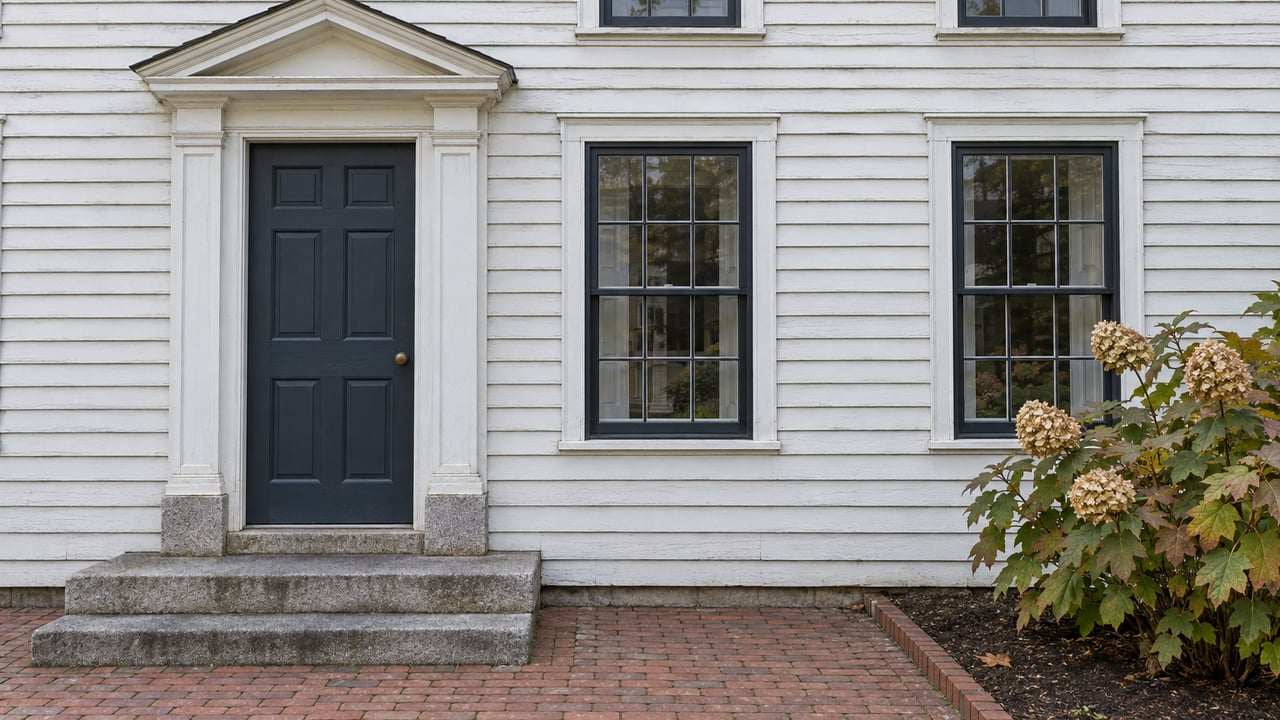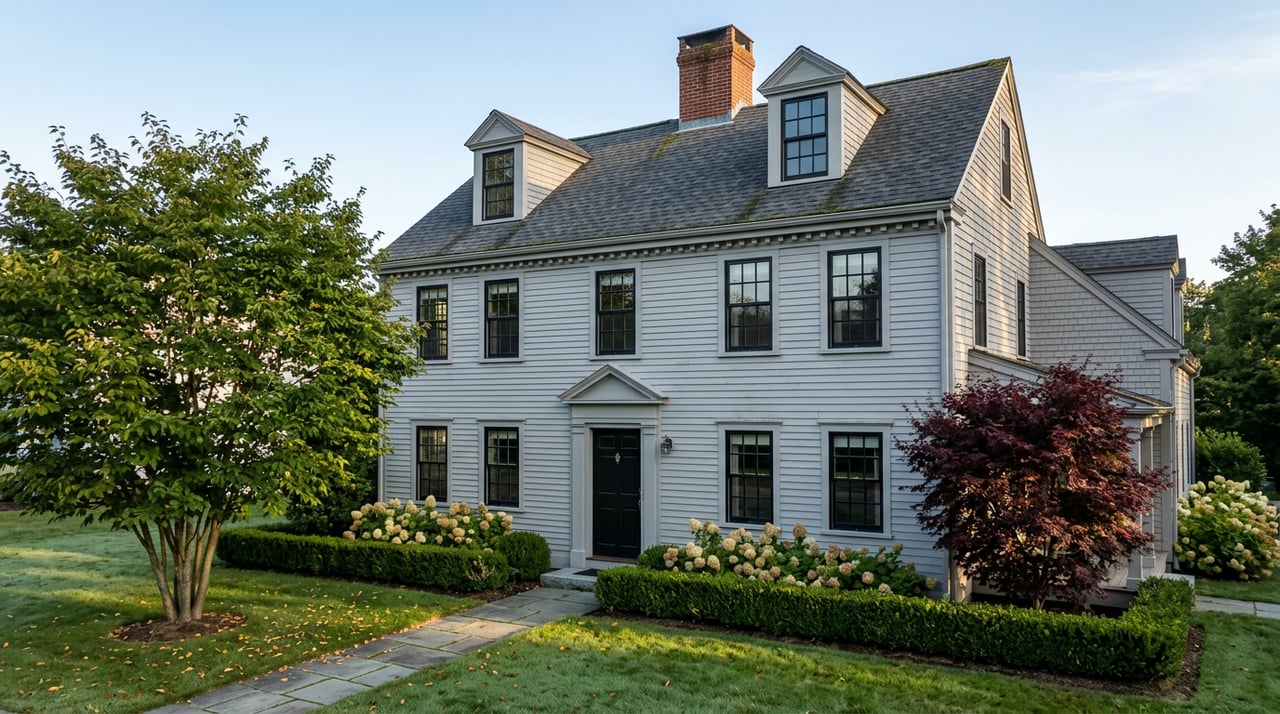
Thinking about buying a historic home in Newburyport? You are not alone. The city’s older homes offer real charm, strong architectural character, and a sense of place that newer construction often cannot match. But before you fall in love with wide-plank floors or original windows, it helps to understand how historic status, condition, flood risk, and local review can affect your purchase. Let’s dive in.
Why Newburyport Historic Homes Stand Out
Newburyport has one of the most substantial preservation footprints on the North Shore. According to the city’s historic district materials, the Newburyport Historic District was listed in the National Register of Historic Places in 1984 and includes more than 2,500 contributing buildings spanning styles from the 17th through the early 20th centuries.
That scale matters when you shop here. In Newburyport, a home may be old, historically significant, locally regulated, nationally listed, or some combination of those categories. Knowing which one applies can shape everything from renovation plans to approval timelines.
Historic Status Does Not Always Mean Strict Rules
One of the biggest misconceptions buyers have is that any historic home comes with automatic restrictions. That is not always true. The National Park Service explains that National Register listing alone does not place federal restrictions on what a private owner can do with a property, unless state or federal involvement triggers another review process.
In Newburyport, local rules are often the more important issue. The city’s district data sheets and historic property resources can help you identify whether a property sits in the National Register district, the Fruit Street Local Historic District, or another area where local review may apply.
Know the Key Local Review Rules
Fruit Street District Review
The Fruit Street Local Historic District is Newburyport’s first local historic district, established in 2007. Its rules and regulations apply to parts of a property visible from the public way, not interior arrangements or features that cannot be seen from the street.
That distinction is useful if you are planning updates. Interior renovations may be treated very differently from exterior changes such as windows, doors, porches, trim, or other visible architectural features.
Timing Can Affect Your Renovation Plan
If a home is in the Fruit Street district, some exterior changes require a certificate before work begins. The city’s rules state that significant-impact applications may require a public hearing, and approval can take up to 60 days from filing.
For buyers, that means renovation timing should be part of your purchase strategy. If you hope to close and start work right away, it is wise to understand the review path before your inspection period ends.
Demolition Delay and Other Overlays
Even outside Fruit Street, older homes can face review. Newburyport’s demolition delay ordinance says roofline demolition and roofline changes on structures 75 years old or more, plus demolition of accessory buildings 100 years old or more, may require Historical Commission review.
If the commission determines a structure is preferably preserved, that can trigger a one-year delay. The city also notes that some contributing buildings may fall under Downtown Overlay District or Demolition Control Overlay rules, which makes pre-offer research especially important.
Check for Preservation Restrictions Early
Some historic properties carry another layer of control through preservation restrictions. Newburyport’s preservation restriction resources describe these as easements that can limit alterations, changes in appearance or use, and other actions considered harmful to preservation.
This is why a title review matters just as much as a visual walkthrough. A beautiful house may look flexible on the surface, but the deed or recorded documents may tell a different story.
What to Inspect Before You Buy
A historic home should be evaluated as both a character property and a building system. Cosmetic appeal is only part of the story. The bigger question is whether key systems have been maintained in a way that protects the house.
Watch for Moisture First
Moisture is one of the most expensive problems in older homes. The National Park Service advises regular roof inspection, working gutters and downspouts, proper drainage away from the foundation, and caution with waterproof coatings on above-ground masonry because they can trap moisture.
For buyers, that means damp basements, staining near windows, failing flashing, overflowing gutters, and repeated masonry patching should never be dismissed as minor issues. Those conditions can point to larger repair needs hiding behind finished surfaces.
Pay Attention to Windows and Trim
Original materials are often part of what makes a Newburyport historic home so appealing. The National Park Service guidance on windows says historic features should generally be repaired rather than replaced when possible, and replacement is usually appropriate only when deterioration is severe.
Newburyport’s Fruit Street guidelines take a similar approach, favoring retention of original elements such as windows, doors, porches, balustrades, and decorative details. If a home still has those components, that can be a major asset, but it may also affect how future updates are handled.
Do Not Overlook Lead, Asbestos, and Wiring
Older homes can carry hazards that are easy to miss during a casual showing. The EPA notes that homes built before 1978 are more likely to contain lead-based paint, and renovation that disturbs that paint must be done by lead-safe certified firms.
The same EPA guidance says damaged asbestos-containing materials, or materials that will be disturbed, should be handled by trained and accredited professionals. Massachusetts insurance guidance also notes that older wiring is one factor insurers may consider, so electrical condition can affect both safety planning and insurability.
Think Carefully About Energy Upgrades
Historic houses can absolutely be improved for comfort and efficiency, but the best approach is usually targeted and thoughtful. The National Park Service recommends an energy audit followed by lower-impact measures such as caulking, weather-stripping, insulation, and efficient HVAC or electrical upgrades.
That matters because some aggressive retrofit work can create moisture issues or remove materials that contribute to the home’s historic value. In older homes, the best upgrade is not always the most obvious one.
Flood Risk Matters in Newburyport
Newburyport’s coastal setting is part of its appeal, but it also adds real due-diligence demands. The city notes its coastal location on the North Shore, and a Massachusetts page on Newburyport flooding exposure states that the city has significant coastal and riverine flood exposure, with more than 20% of its area in the FEMA 1% flood zone.
Flood insurance should never be treated as a last-minute detail. Massachusetts says standard homeowners insurance does not cover flood damage, FEMA flood coverage is separate, and there is typically a 30-day waiting period before an NFIP policy takes effect unless lender requirements or a map change create an exception.
Massachusetts also notes that just 1 inch of water can cause $25,000 in damage. If the property is anywhere near a potential flood area, pull the flood map and request insurance quotes early.
Understand Insurance Before Closing
Historic homes can take longer to insure than buyers expect. According to Massachusetts home insurance guidance, insurers commonly review the home’s size, location, condition, distance to fire protection, and risk factors such as old wiring.
That means the roof, basement condition, and electrical system may affect both eligibility and premium. In a market like Newburyport, where age and coastal exposure often overlap, early insurance work is part of a smart buying strategy.
Do Historic Homes Qualify for Tax Credits?
Sometimes, but the rules are narrower than many buyers assume. Massachusetts offers a historic rehabilitation tax credit of up to 20% after final certification by the Massachusetts Historical Commission and placement in service.
The federal credit is also 20%, but the National Park Service states it applies only to income-producing properties, not private owner-occupied residences. If you are buying a primary home, you should not assume a federal historic tax credit will be available.
A Smart Buyer Checklist
Before making an offer on a historic home in Newburyport, focus on these items:
- Confirm whether the property is in the National Register district, the Fruit Street Local Historic District, a demolition-delay area, or subject to a preservation restriction using the city’s district data sheets
- Ask the seller for prior certificates, permits, preservation documents, and historic inventory forms
- Inspect drainage, roofing, masonry, basement moisture, windows, and grading first because those issues often drive major repair costs
- Verify lead, asbestos, and wiring status before finalizing renovation budgets
- Pull flood information and request insurance quotes early, not at the end of the process
- If you are planning major work, bring in the right specialists before closing or immediately after inspection
Why Due Diligence Pays Off
Buying a historic home in Newburyport can be deeply rewarding. You may get architectural detail, walkable location, and long-term character that are hard to replicate. But the best purchases happen when you evaluate the property from three angles at once: condition, regulation, and risk.
That is where local guidance makes a real difference. If you are considering a historic home in Newburyport and want a clear, strategic view of the tradeoffs before you buy, connect with Kevin Fruh for thoughtful, high-touch guidance rooted in local experience.
FAQs
What should you check before buying a historic home in Newburyport?
- You should confirm historic district status, review any preservation restrictions, inspect for moisture and structural issues, verify lead or asbestos concerns, and request insurance quotes early.
Does National Register status restrict changes to a Newburyport historic home?
- Not by itself. The National Park Service says National Register listing alone does not impose federal restrictions on a private owner, though local rules or other laws may still apply.
What does the Fruit Street Local Historic District regulate in Newburyport?
- The district regulates certain exterior changes visible from the public way, while interior arrangements and features not visible from the public way are generally not part of that review.
Why is flood insurance important when buying a home in Newburyport?
- Newburyport has meaningful coastal and riverine flood exposure, standard homeowners insurance does not cover flood damage, and separate flood coverage may take time to become effective.
Can you get a tax credit for renovating a historic home in Newburyport?
- Possibly. Massachusetts offers a historic rehabilitation tax credit in qualifying cases, but the federal historic tax credit is generally for income-producing properties rather than owner-occupied homes.