What does it really feel like to own a beach house on Plum Island? If you are picturing a simple summer escape, the reality is both more nuanced and more interesting. Plum Island offers a distinctly coastal lifestyle shaped by dunes, marsh, wildlife, weather, and a housing stock that ranges from old cottages to larger updated homes. If you are exploring a purchase, sale, or long-term ownership here, understanding that rhythm matters. Let’s dive in.
Plum Island living starts with the landscape
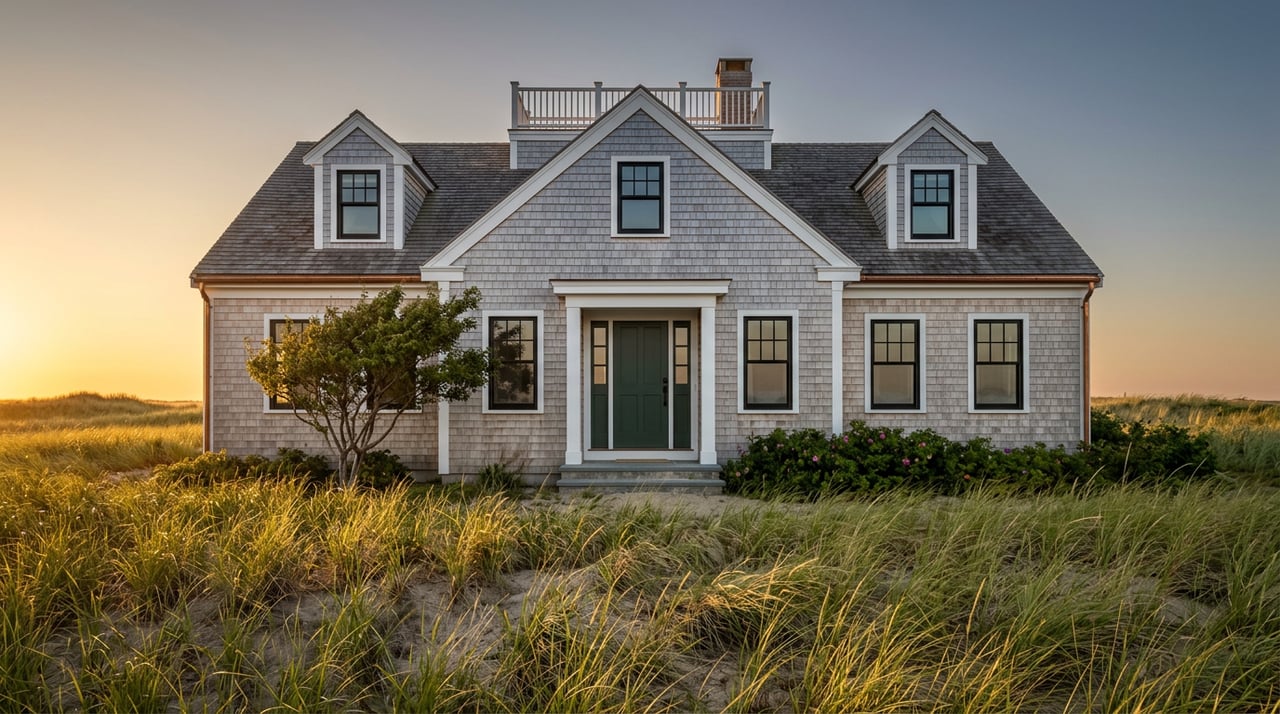
Plum Island is not a typical beach neighborhood. It is a barrier beach, separated from the mainland by water and marsh, and that natural setting influences how the island looks, feels, and functions day to day.
The landscape is a big part of what makes the island special. Newburyport’s homeowner guidance notes that the dunes and native vegetation help protect both residents and the mainland from storm and flood damage. That means the environment is not just scenic. It is also part of the island’s protective system.
That setting shapes daily routines in practical ways. Beach access is limited to marked boardwalks and designated lots in key areas, and much of the outdoor lifestyle revolves around nature-based activities like walking, hiking, biking, fishing, surf fishing, wildlife watching, and beach combing.
Seasons feel very different here
One of the most important things to understand about Plum Island beach house living is that it changes sharply with the calendar. Summer brings the classic beach energy many people expect, but the island remains active and appealing well beyond the warm-weather months.
Nearby coastal climate data from Beverly offers a useful proxy for the broader seasonal pattern. Average January temperatures are around 36.6°F for highs and 17.8°F for lows, while July averages are around 80.1°F and 59.9°F. The region also sees about 48 inches of precipitation and more than 51 inches of snowfall annually, which helps explain why winter life and summer life can feel worlds apart.
Summer brings energy and crowds
Summer is the busiest season on Plum Island. Parker River National Wildlife Refuge notes that vehicle closures are common when parking lots fill, and weekday visits or weekend trips before 10 a.m. or after 3 p.m. are often the best way to avoid the heaviest congestion.
If you are considering a home here, this matters more than you might think. Parking, timing, and access become part of how you plan beach days, host guests, and move through the island during peak season.
Spring and early summer have limits
Spring can surprise first-time buyers and visitors. Most of the refuge beach is closed from April 1 into early August to protect nesting shorebirds, including piping plovers and terns.
That does not mean the island shuts down. It does mean your beach experience may be more restricted during part of the year than you would expect in a more conventional coastal market.
Fall and winter have their own appeal
Plum Island is not a summer-only destination. The refuge remains open every day from sunrise to sunset year-round, and each season offers a different experience.
Winter can be especially quiet, with opportunities for birdwatching, including owls. Spring migration brings songbirds, while fall brings shorebirds, ducks, and coastal foliage. For many owners, that seasonal variety is part of the attraction.
The housing stock is mixed and layered
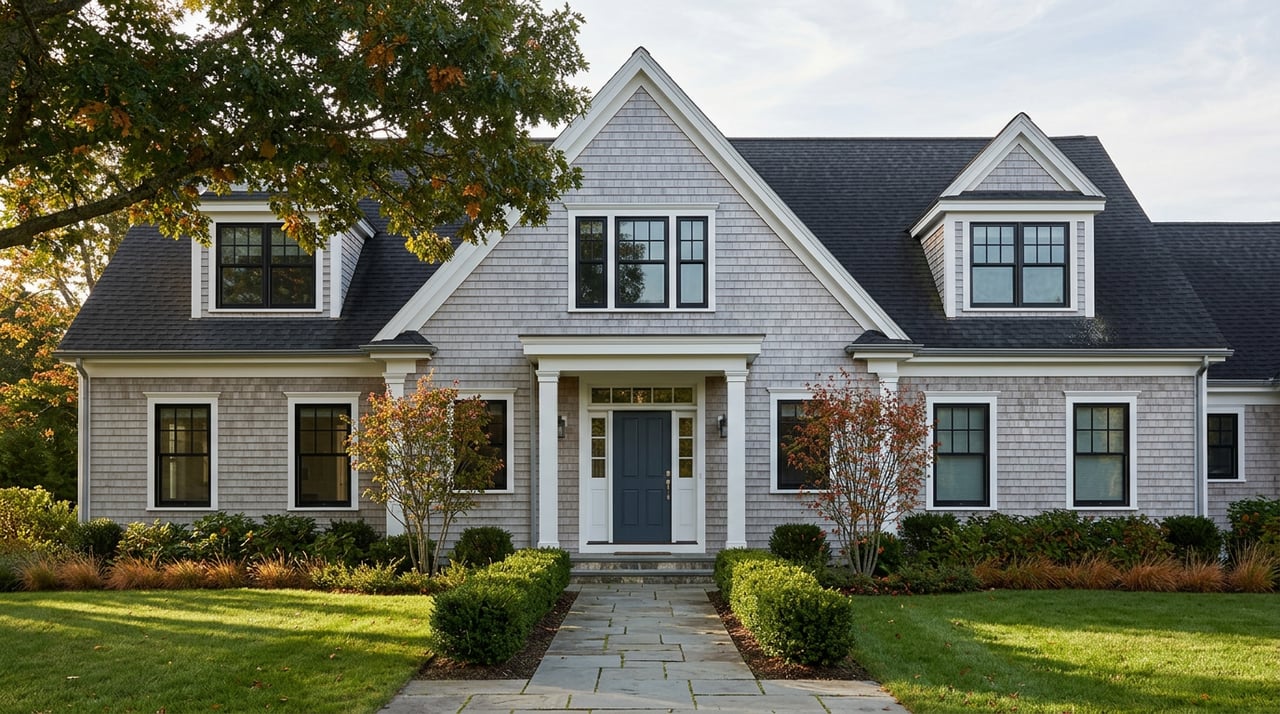
Plum Island does not offer one single housing type. According to Newburyport’s Housing Production Plan, the island includes both older cottages and larger newer homes, with many former summer cottages having been adapted into bigger year-round residences.
That creates a layered housing stock. Some properties still feel distinctly seasonal in scale and layout, while others have been upgraded for full-time living with a more modern footprint and stronger year-round functionality.
For buyers, this means you should look beyond broad labels like “beach house.” Two homes on Plum Island can offer very different ownership experiences depending on age, elevation, layout, updates, and how they have been improved over time.
Year-round ownership is common
A beach house on Plum Island may be a vacation property, but it can also be a primary residence or a long-held family home. The island includes both seasonal and year-round residents, and that mix is part of what gives the community its character.
This is important if you are comparing Plum Island to other coastal areas that feel more purely vacation-oriented. Here, homes often serve different purposes across different stages of ownership, from weekend retreat to full-time residence.
Ownership comes with real coastal considerations
Beach house ownership on Plum Island is rewarding, but it also comes with responsibilities that buyers should understand early. Flooding, erosion, and storm exposure are not side notes here. They are central to the ownership conversation.
Massachusetts states that there is no state law requiring flood insurance, but standard homeowners insurance does not cover flood damage. If you have a mortgage, your lender may require flood coverage.
That is especially relevant on Plum Island because local conservation guidance describes the barrier beach as dynamic and exposed to storm damage, erosion, and flooding. If you are evaluating a property, flood planning should be part of your decision-making from the start.
Elevation and site rules matter
Local ownership guidelines are a major part of life on the island. New or substantially improved structures must be elevated at least two feet above FEMA flood elevation or above the ground surface, based on the city’s homeowner guide.
Other features may also require review or approval, including patios, walkways, driveways, and landscaping. Fences must allow sand movement, and native, beach-appropriate planting is encouraged.
These rules help preserve the island’s natural systems. They also affect how you plan renovations, outdoor spaces, and long-term improvements.
Beach access becomes part of your routine
On Plum Island, access is not something you think about only when friends visit. It can shape everyday living.
The City of Newburyport’s Plum Island Point Beach lot holds 120 vehicles. Current fees are posted as $20 on weekdays and $25 on weekends for nonresidents, and $10 on weekdays and $12 on weekends for Newburyport residents. Parker River National Wildlife Refuge charges a separate $5 per car for vehicle access.
In practical terms, this means beach living is connected to timing and planning. If you own here, you are likely to become very familiar with when lots fill, when traffic builds, and how to make the most of quieter windows.
Recreation rules shape the experience
Part of living well on Plum Island is understanding the rules that protect the environment. For example, dogs and other pets are never allowed in Parker River National Wildlife Refuge.
At Sandy Point State Reservation, the posted rules include no dogs and no alcohol, and the beach factsheet notes that dogs are not allowed on the beach from April 1 through September 15 and must be leashed at other times. At the refuge, beachcombing is for observation rather than collecting, so shells, stones, driftwood, and similar natural items must be left in place.
These rules are part of the ownership experience, especially if you are thinking about guest use, family routines, or how you want to spend time outdoors.
What buyers should keep in mind
If you are considering Plum Island, it helps to approach the market with a clear view of both the lifestyle and the logistics. A home here can be deeply rewarding, but it is best suited to buyers who appreciate the island for what it is, not for what they assume a generic beach town should be.
A few key themes tend to matter most:
- The setting is dynamic and shaped by dunes, marsh, and weather
- The seasons are distinct with busy summers and quieter off-seasons
- The housing stock is varied from older cottages to larger year-round homes
- Flood and storm planning matter early in the buying process
- Rules and access patterns are part of everyday ownership
For sellers, these same points are also central to positioning a property well. A strong listing strategy should explain not just the home itself, but also how that home fits into the real experience of Plum Island living.
Why local guidance matters here
Plum Island is one of those markets where broad coastal assumptions can lead buyers and sellers in the wrong direction. The details matter. The location of a home, the nature of prior improvements, the practical ownership rules, and the seasonal rhythm of the island all shape value and fit.
That is where experienced local guidance becomes especially important. If you are buying, you want a clear understanding of the tradeoffs and opportunities. If you are selling, you want a strategy that presents your home with the right context, the right positioning, and the right audience.
If you are thinking about buying or selling on Plum Island, Kevin Fruh offers local insight, high-touch service, and a thoughtful, strategic approach tailored to distinctive coastal properties.
FAQs
Is Plum Island only a summer place for beach house owners?
- No. Plum Island is active year-round, and Parker River National Wildlife Refuge remains open daily from sunrise to sunset, though the experience changes a lot by season.
What kinds of homes are common on Plum Island?
- Plum Island includes a mix of older cottages and larger newer or updated homes, and many former summer cottages have been adapted for year-round living.
Do Plum Island buyers need to think about flood insurance?
- Yes. Massachusetts states that standard homeowners insurance does not cover flood damage, and lenders often require flood coverage when there is a mortgage.
Why does beach access on Plum Island require planning?
- Summer is the busiest season, vehicle closures can happen when lots fill, and local parking capacity and fees can affect how owners and guests use the beach.
Are there rules that affect Plum Island outdoor living?
- Yes. Local and refuge rules can affect beach access, pets, landscaping, fencing, and even what natural items must be left in place during beach visits.