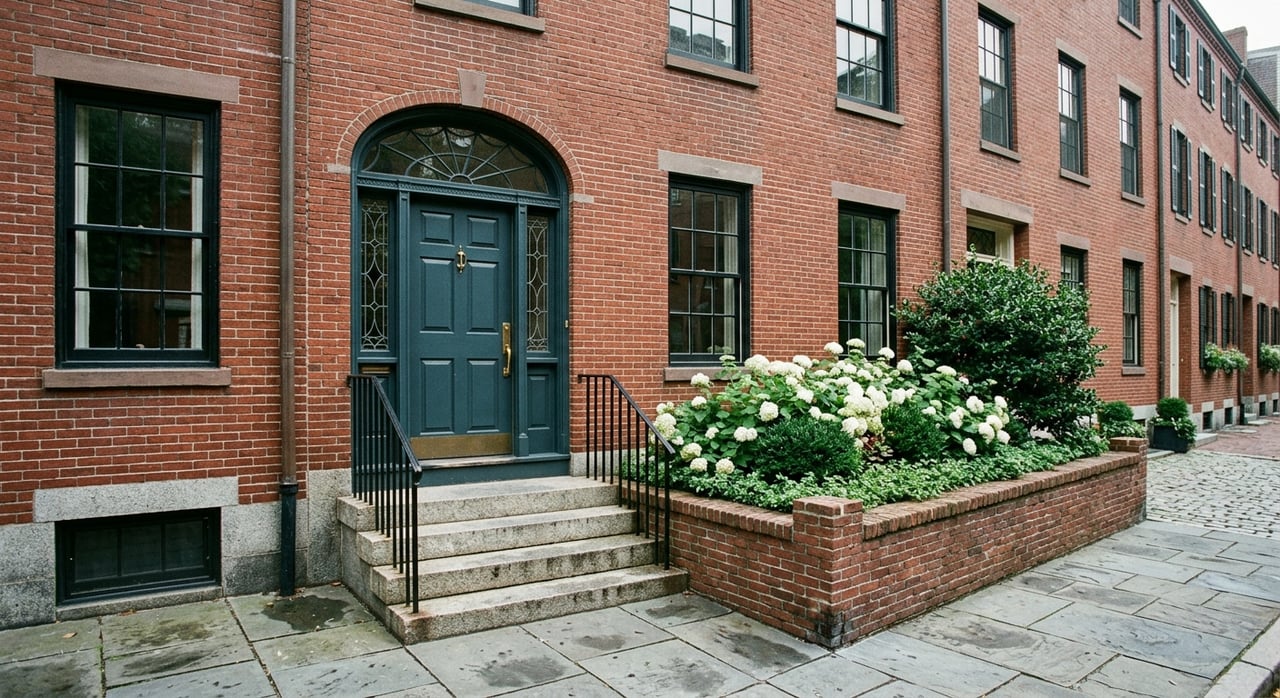
Trying to choose between Newburyport’s in-town neighborhoods? You are not alone. For many buyers, the challenge is not deciding whether they like Newburyport, but figuring out which part of it fits their day-to-day life best. From the South End’s historic, small-lot feel to Joppa’s waterfront setting and the North End’s more residential rhythm, the differences can feel subtle until you know what to look for. This guide breaks down the key distinctions so you can narrow your search with more confidence. Let’s dive in.
How Newburyport Is Organized
Newburyport’s residential pattern is compact, layered, and closely tied to its history. According to the city’s master plan, the urban core is surrounded by the traditional South End and North End neighborhoods, while much of the South End, downtown, and parts of the North End fall within the National Register Historic District.
That historic framework helps explain why Newburyport feels like a collection of micro-neighborhoods rather than one uniform market. The same master plan shows a mix of single-family homes, two-family properties, condos, three-family homes, and multifamily housing across downtown, the North End, and the South End.
The waterfront also changes character as you move through town. The city identifies Joppa Park in the South End, Market Landing Park along the central waterfront, and Cashman Park in the North End as three distinct public waterfront settings, each with a different feel.
South End Overview
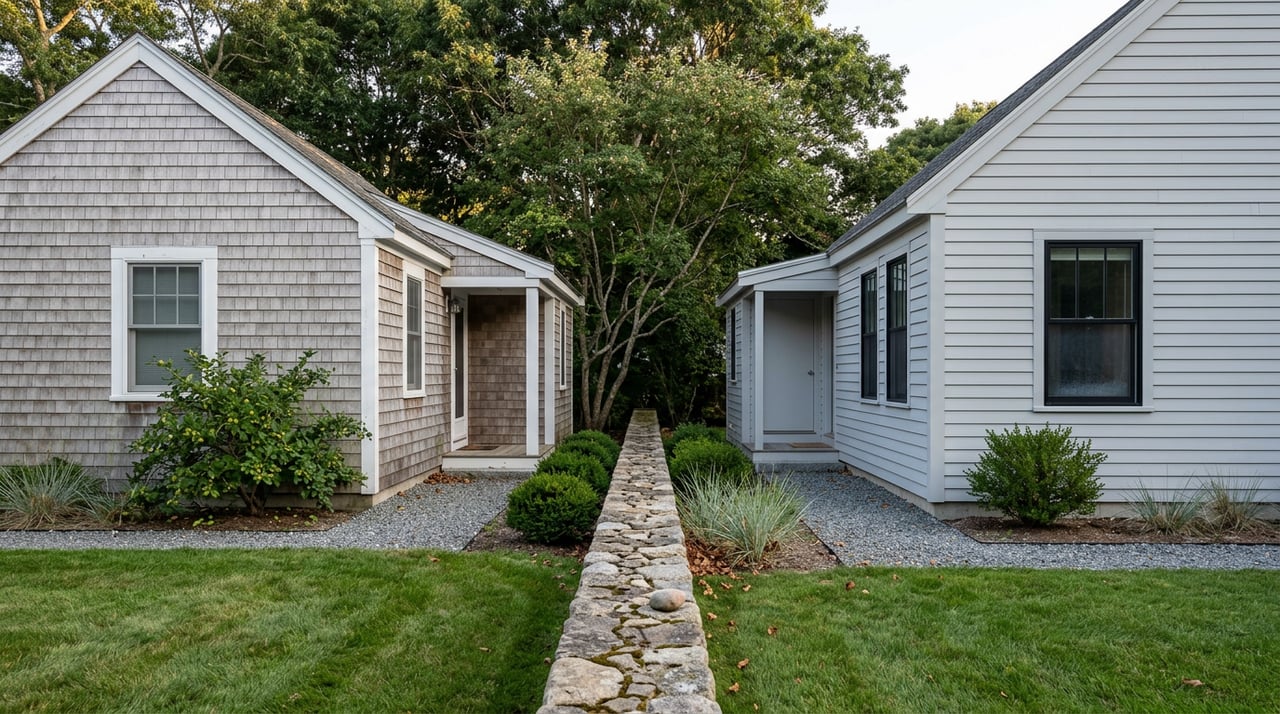
The South End is one of the oldest-feeling parts of Newburyport. The city describes it as an area shaped early by shipbuilding, commerce, and later mills, and today it still carries that dense, historic street pattern with small lots and closely spaced homes.
If you are drawn to classic in-town Newburyport, the South End often delivers that strongest sense of place. Streets can feel intimate, housing sits close together, and the neighborhood’s historic fabric is a major part of its appeal.
The South End also benefits from the Clipper City Rail Trail, which runs through the neighborhood and reinforces its walkable, connected feel. For buyers who want an in-town lifestyle without being directly in the middle of downtown, that can be a meaningful advantage.
What South End Buyers Notice
When you tour the South End, a few themes usually stand out:
- Smaller lots and tighter spacing between homes
- A strong historic feel in the streetscape
- Easy access to the waterfront and downtown core
- A more compact, walkable neighborhood pattern
For many buyers, the appeal is simple: the South End feels unmistakably like old Newburyport. If you value charm, proximity, and a neighborhood with visible history, this is often where your search becomes more focused.
Joppa Explained
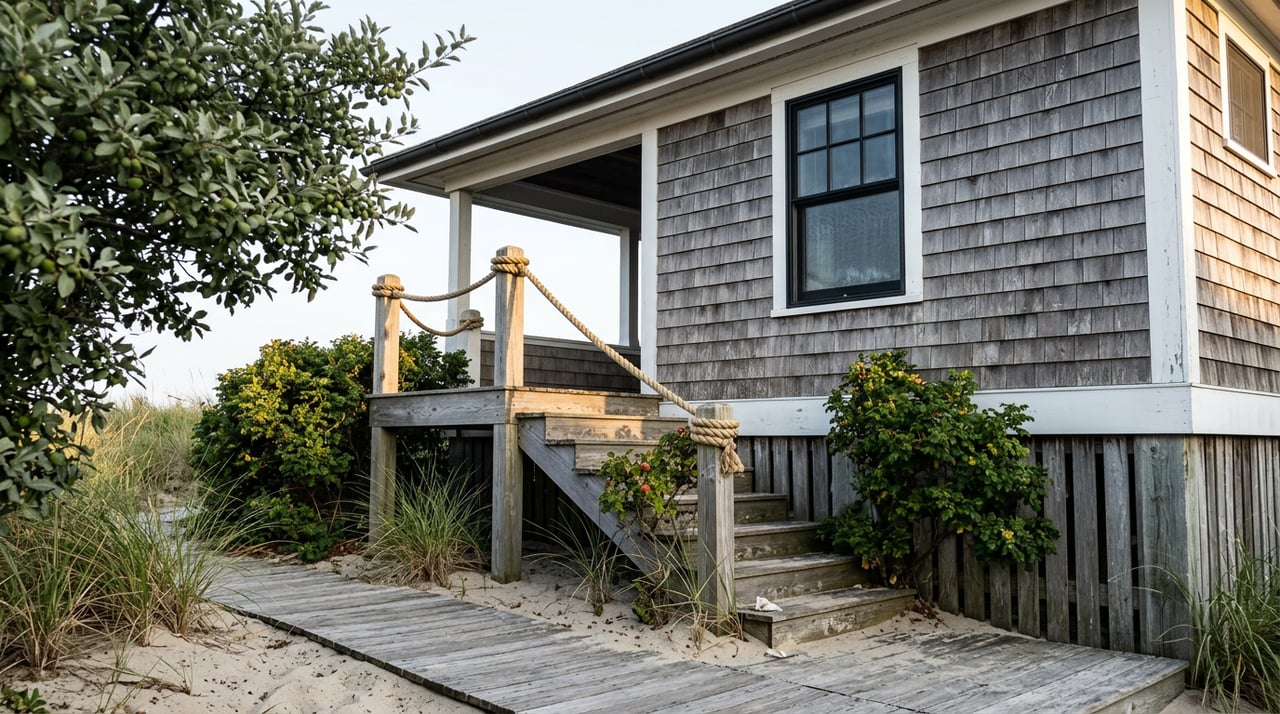
Joppa is best understood as a waterfront pocket within the South End, not a separate area entirely. City planning documents place Joppa Park in the South End and describe it as a narrow waterfront green space along Water Street with river frontage and a boat ramp, plus open views across the tidal basin toward Plum Island.
That setting gives Joppa a different personality from inland South End blocks. It feels more directly tied to the water, with a promenade-style park experience rather than just general proximity to the waterfront. You can learn more about that setting in the city’s open space and recreation plan.
Joppa also comes with an important practical consideration. The city’s climate resiliency plan highlights storm-surge and runoff concerns around Joppa and the old South End, which means waterfront blocks here can carry more water-related tradeoffs than higher inland streets.
Who Joppa May Suit Best
Joppa tends to appeal most if you are looking for:
- A strong waterfront identity
- River views and visual access to the basin
- A walkable in-town setting with a scenic edge
- Historic neighborhood character with a more exposed waterfront location
In short, Joppa can be especially compelling if water views are high on your list. If minimizing flood sensitivity is your top priority, though, it is worth comparing Joppa carefully with inland South End or North End options.
North End Character
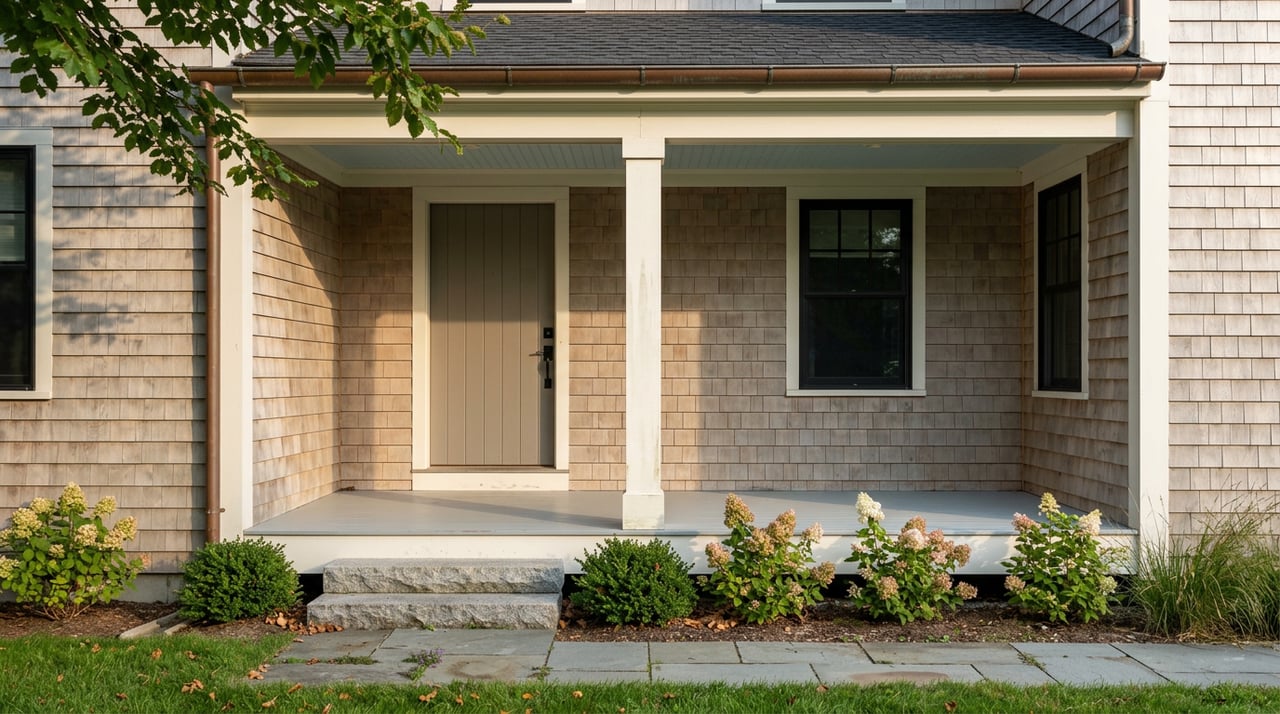
The North End shares some of the same historic roots as the South End, but the feel is not identical. The city’s master plan notes similar origins, although with less commerce and fewer mills, and it also points out that some parts of the North End reflect development around the World War II period.
As a result, the North End often reads as a little more residential in feel, even while still fitting clearly within Newburyport’s traditional in-town pattern. It is not purely residential everywhere, though. The city notes industrial pockets near Hale Street and Merrimac Street, which is useful context when you are evaluating a specific block.
The North End also has meaningful housing variety. In the city’s assessor-based table in the master plan, the North End includes 1,754 single-family homes and 211 condominiums, compared with 114 condominiums in the South End and 89 downtown.
Why Buyers Consider the North End
The North End can make sense if you want an in-town location but prefer a slightly different balance of housing and public space. It offers:
- A historic feel with a somewhat more residential rhythm
- Meaningful condo inventory compared with other in-town areas
- Access to the waterfront in a different setting than Joppa
- Proximity to trails, parks, and downtown connections
For some buyers, the North End feels like the middle ground. You still get Newburyport’s older housing stock and walkable pattern, but often with a little less waterfront exposure than Joppa and a different day-to-day feel than downtown.
Downtown And Condo Living
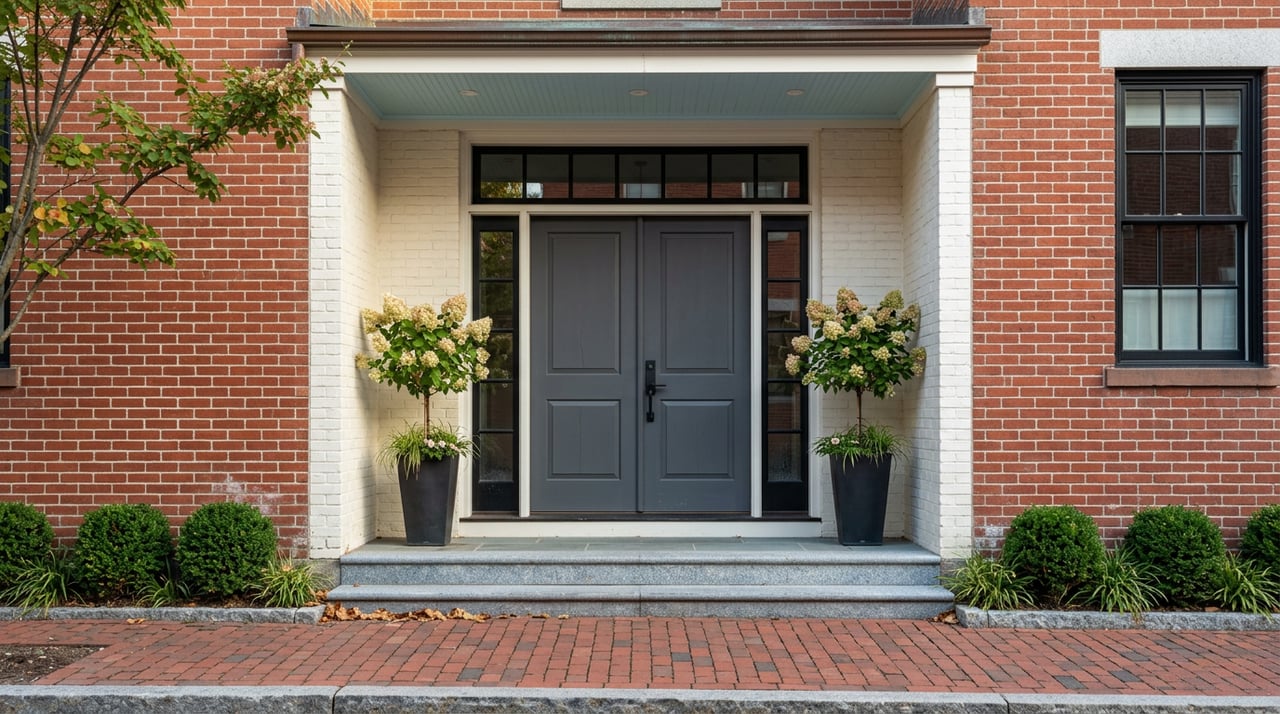
Downtown is the most clearly walkable part of Newburyport. The city’s master plan describes it as a dense, pedestrian-oriented historic streetscape with restaurants, shops, residences, and close access to the waterfront.
If your top priority is being able to step outside and reach daily destinations on foot, downtown is the obvious candidate. It is the area where Newburyport’s civic, cultural, commercial, and service center all come together most directly.
That convenience comes with a tradeoff. The same city plan notes that parking remains an ongoing downtown issue, so buyers considering in-town condos or downtown housing should weigh lifestyle convenience against parking tolerance.
Downtown Versus North End Condos
If you are comparing condo options, the distinction often comes down to lifestyle.
| Area | Typical Appeal | Main Tradeoff |
|---|---|---|
| Downtown | Walk-to-everything convenience, dense historic setting | Parking can be more challenging |
| North End | In-town access with a somewhat more residential feel | Less immediate access to downtown shops and restaurants |
| South End | Historic atmosphere and proximity to waterfront routes | Fewer condos than the North End |
For many buyers, condo living in Newburyport is not just a niche option. The city data makes clear that it is a real part of the local market.
Waterfront Feel By Area
One of the easiest ways to understand Newburyport is to compare how the waterfront changes by neighborhood. Even within a short distance, the experience is different.
Joppa Park in the South End is more of a passive waterfront promenade centered on views. Cashman Park in the North End, by contrast, is described by the city’s waterfront strategic plan as an active park that supports land- and water-based recreation.
That means your preferred waterfront lifestyle matters. If you picture scenic walking and basin views, Joppa may stand out. If you want a park environment with more active recreation, the North End’s waterfront identity may feel like a better fit.
Schools And Everyday Convenience
For buyers thinking about daily logistics, school locations can help frame the search. Newburyport Public Schools lists four schools serving about 2,300 students, with Bresnahan Elementary at 333 High Street, Molin Upper Elementary and Nock Middle at 70 Low Street, and Newburyport High School at 241 High Street.
Because those schools cluster on High and Low Streets, in-town neighborhoods like downtown and nearby parts of the South End and North End often offer the shortest school runs. That does not mean every property works the same way, but it is a useful geographic shortcut when you are narrowing choices.
Walkability also extends beyond downtown. The Clipper City Rail Trail and Harborwalk link the MBTA commuter rail station to the shoreline, and the city notes ongoing efforts to improve pedestrian, bicycle, and motorist access citywide.
A Quick Way To Narrow Your Search
If you want a simple framework, here is the practical shorthand drawn from city planning documents:
- South End/Joppa: oldest-feeling streets, strongest waterfront identity, small-lot historic fabric, and the clearest flood-related tradeoffs
- North End: still historic, somewhat more residential in feel, with meaningful access to parks and trail connections
- Downtown/in-town condos: the most walk-to-everything lifestyle, with parking as the clearest compromise
In Newburyport, neighborhood choice is often less about distance and more about street pattern, waterfront exposure, parking tolerance, and how much historic density you want around you. That is why two homes only minutes apart can feel like very different lifestyle decisions.
If you are trying to sort out which part of Newburyport fits your goals, working with a local advisor who understands these block-by-block differences can save you time and help you focus on the right opportunities. To start a conversation about your search or your home’s position in today’s market, connect with Kevin Fruh.
FAQs
What is the difference between Newburyport’s South End and Joppa?
- The South End is the broader historic neighborhood, while Joppa is a waterfront pocket within the South End known for river views, Joppa Park, and greater water-related exposure.
What is the North End like in Newburyport?
- The North End is still historic and in-town, but it often feels a bit more residential than the South End, with access to Cashman Park, trail connections, and a meaningful amount of condo inventory.
Is downtown Newburyport the most walkable area?
- Yes. City planning documents describe downtown as Newburyport’s most pedestrian-oriented area, with close access to shops, restaurants, residences, and the waterfront.
Are there flood-related concerns in Joppa and the South End?
- Yes. The city’s climate resiliency plan identifies storm-surge and runoff concerns around Joppa and the old South End, so buyers should weigh waterfront benefits against water-related tradeoffs.
Which Newburyport neighborhoods are closest to the public schools?
- Because Newburyport Public Schools are clustered on High and Low Streets, downtown and nearby parts of the South End and North End often offer the shortest school runs.
Are condos common in Newburyport’s in-town neighborhoods?
- Yes. City assessor-based data in the master plan shows condo inventory in the North End, South End, and downtown, with the North End having the largest condo count among those three areas.