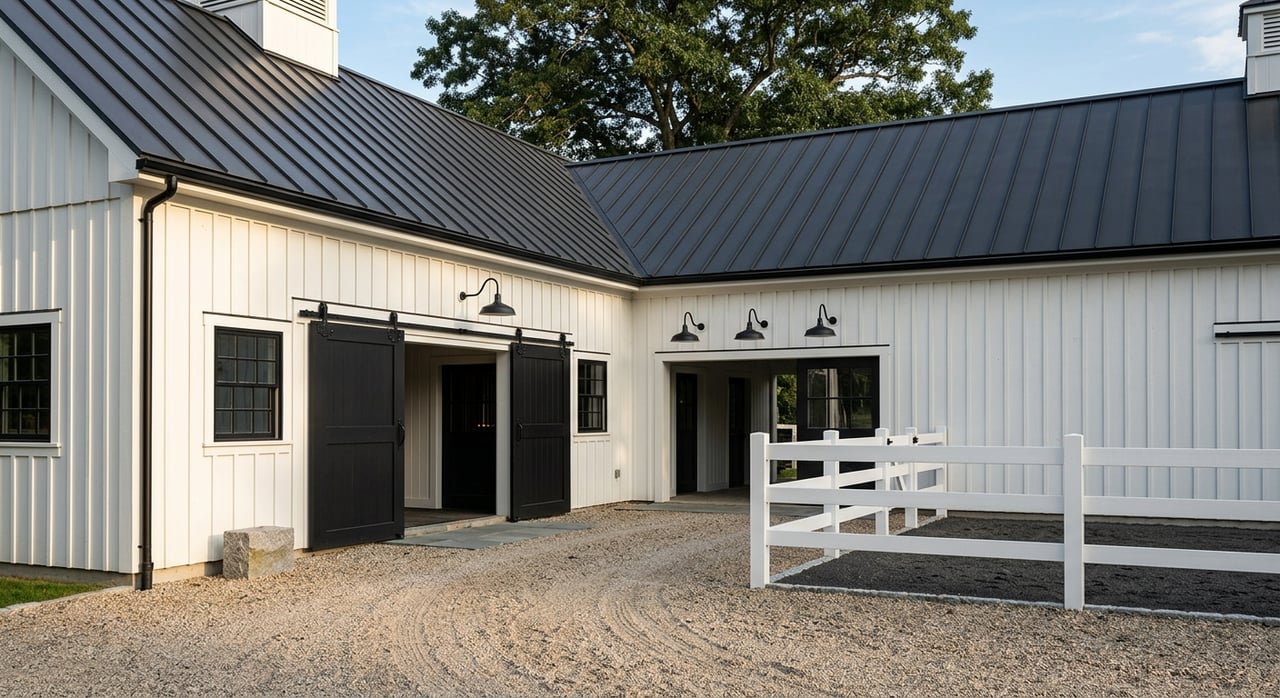
Thinking about selling your Newbury farm or equestrian property and unsure where to start? You’re not alone. These properties are special, and the right plan can make a meaningful difference in your price, timeline, and peace of mind. In this guide, you’ll learn how to price acreage and improvements, navigate Newbury’s permitting and conservation rules, prepare what buyers want to see, and market your property so it stands out. Let’s dive in.
Price acreage and improvements with intent
Setting the right price starts with understanding what buyers value and how appraisers think. Use a three-part framework that reflects both the land and the equine infrastructure.
Comparable-sales approach
Start with recent solds in Newbury and nearby Essex County towns. Adjust for:
- Total acres and how much is usable vs wetland.
- Road frontage, access, and buildable area.
- Proximity to services and commuting routes.
When local comps are thin, broaden to the Merrimack Valley and North Shore, then explain adjustments clearly in your pricing narrative. For a baseline on raw land, incorporate the USDA state average for farm real-estate value as a starting point, then layer in local premiums for location and development potential. See the latest Massachusetts benchmark in the USDA NASS farm real-estate values report for context.
Use the USDA farm real-estate values report to ground per-acre assumptions.
Cost or replacement approach
If your property has specialized improvements that few comps can match, estimate the replacement cost of key elements like barns, indoor arenas, and ring surfacing, then deduct for age and condition. Reference recent contractor estimates in your listing packet so appraisers and buyers can see how you arrived at your figures.
Income approach (if applicable)
If the property generates revenue from boarding, lessons, or breeding, document income, expenses, and occupancy. A clean profit-and-loss view helps buyers and lenders understand operations and may support value beyond a pure residential use.
How much do barns and arenas add?
High-quality equestrian improvements increase buyer interest, but they rarely recoup 100 percent of build cost at sale. Market value varies with condition, usable square footage, safety features, footing quality, drainage, and buyer type. Buyers pay a premium for turnkey, well-documented facilities with good ventilation, secure fencing, and organized storage. For context on investment levels and facility standards in the region, review examples from UMass equine facilities and resources.
Confirm zoning, overlays, and permits early
Newbury’s rules shape your property’s marketability and potential. Before you list, verify your zoning district and any overlay districts that apply to your parcel. Newbury’s zoning code defines an Agricultural–Residential district and overlays like flood hazard, water-supply protection, and the Plum Island overlay. These designations influence where barns, arenas, septic systems, and potential lot splits are allowed, and whether you’ll need a special permit or site plan review.
- Review the Newbury Zoning Code and overlays.
- Contact the Agricultural Commission, Conservation Commission, Planning Board, and Board of Health to confirm requirements, lead times, and documents you’ll need.
If you anticipate new stable construction, a change of use, or any work near wetlands or buffers, plan for Conservation Commission review. For special-permit projects, the Planning Board often coordinates with multiple boards, so early outreach speeds the process.
Understand Chapter 61/61A/61B and conservation limits
Many Newbury-area farms participate in Massachusetts programs that reduce property taxes in exchange for use restrictions.
- Chapter 61A supports agricultural production, while 61B covers open space and recreation. Enrollment can trigger notice requirements and a municipal right of first refusal when you sell or change use. Share your enrollment status and timelines with serious buyers early. Learn more in the Massachusetts Department of Revenue’s Chapter Lands overview.
- Properties may also carry Agricultural Preservation Restrictions (APR) or conservation restrictions held by the state or local land trusts. APRs permanently protect farmland and reduce development potential, which changes per-acre value. Confirm and disclose any restrictions, then provide copies in your listing packet. See MDAR’s APR and farmland protection overview.
Title 5, wells, and wetlands: remove friction now
Massachusetts requires a Title 5 septic inspection for most transfers. A failure can delay closing or lead to costly upgrades, so order the inspection before you go live.
- Review timing and exemptions for septic inspections under Title 5.
- If you have a private well, pull recent water tests for lead, bacteria, and nitrate.
- If any improvements sit near wetlands, consult Newbury’s Conservation Commission well in advance. Work in or near the buffer usually needs review under the Wetlands Protection Act. Start with the Newbury zoning code for local context and contact information.
What equestrian buyers inspect closely
The better you document condition and usability, the stronger your offers. Use this checklist to build your property narrative and listing packet.
Barns and stable areas
- Stall count and sizes. Many buyers expect 12×12 stalls for performance horses, though 10×10 can be acceptable for some uses.
- Aisle width, ventilation, drainage, matted stalls, and secure latches.
- Tack room, feed and hay storage, wash rack with hot and cold water, separate equipment storage, restroom access, and reliable power. If you have three-phase service for heavy equipment, note it.
Reference facility standards and examples from UMass equine resources when describing upgrades and maintenance.
Arenas and rings
- Footing composition, drainage, and maintenance history are top priorities. Document materials, recent re-leveling, and whether you have dust control or irrigation.
- Indoor arenas carry strong appeal in New England because they extend riding season. Provide precise dimensions and usable riding area. Standard dressage arenas are 20×40 meters and 20×60 meters for upper levels. You can confirm sizes in the USEF dressage division rules.
Pasture, paddocks, and fencing
- Pasture quality and carrying capacity matter. If you have soil or forage tests, include the results. Buyers also want pasture maps, boundary notes, and flood-prone areas. See UMass’s horse and pasture guidance in the Horses FAQ.
- Fence types and condition are key safety signals. Post-and-rail or timber is preferred by many buyers. If any fencing is electric or temporary, disclose and label it clearly.
Access, parking, and logistics
- Trailer parking and turning radius, driveway condition, bridge weight limits, and seasonal access.
- Guest parking for lessons or events, and emergency-vehicle access.
Utilities and documents buyers expect
- Well capacity and water tests, electrical service details, broadband access, and any barn heating.
- A complete packet: Title 5 report, well tests, maintenance logs for footing and fencing, vet and farrier contacts, boarding or lesson contracts if income-producing, equipment inventory, survey, any APR or conservation paperwork, and Chapter 61 documentation.
Premium marketing that moves the needle
Great equestrian properties deserve visuals that show scale, layout, and condition at a glance. Professional media increases listing views and helps buyers understand the value of your improvements.
- Photography, aerials, and video. Drone aerials highlight pasture layout, ring placement, water, and proximity to neighbors. If you use drones commercially, your operator must follow FAA Part 107 commercial drone rules. Ask for a Part 107 certificate and compliance with Remote ID and any local airspace authorizations.
- 3D tours and barn walkthroughs. Offer a stable tour, arena walkover, and an aerial flyover so out-of-area buyers can qualify the property quickly.
- Targeted distribution. In addition to the local MLS, reach equestrian-specific channels and regional networks across the North Shore and Greater Boston. Local Agricultural Commissions and university programs can be useful connectors.
- Barn and grounds staging. Tidy tack rooms, clear clutter, repair broken rails and gates, groom arena surfaces before photography, and create a 1–2 page horse-owner fact sheet that summarizes maintenance routines, hay usage, and pasture management.
Your pre-listing checklist and timeline
Tackle these items in order to maximize buyer confidence and minimize delays.
Order Title 5 and do a Board of Health pre-check. If you have a well, pull water tests. Address any issues before you list. Reference guidance under Title 5.
Confirm zoning and overlays. Print your parcel’s zoning map page, note any overlays, and email the Conservation Commission if wetlands are nearby. Start with the Newbury zoning code.
Collect core documents. Deed, survey, recorded easements, APR or conservation restrictions, Chapter 61 enrollment paperwork, barn and arena permits, and maintenance logs.
Safety and quick repairs. Fix electrical hazards, replace broken rails and loose latches, secure gates, and verify clear egress routes.
Fencing and turnout refresh. Patch problem sections, replace missing boards, and photograph safe, well-defined paddocks.
Professional visuals. Schedule photography, aerials, and a short video during good weather. Confirm your drone operator is Part 107 certified under FAA rules.
Build your property fact sheet. Include acres by type (pasture, hay, woods, wetland), stall count and dimensions, arena sizes and footing, utility summaries, recent capital improvements, and three years of income and expenses if the operation is commercial.
Budget planning helps. Expect a few hundred dollars for a typical Title 5 inspection, with repair or replacement costs varying widely by site. Professional media packages commonly run in the low four figures depending on scope. Your agent can help prioritize spend for the best return.
Financing, appraisals, and timing
Buyers for equestrian properties often combine traditional residential financing with specialty lending or cash. If a buyer plans commercial operations, a portfolio or farm lender may require a business plan and financials. Appraisals can be challenging when few comparable sales exist, so support the appraiser with a detailed packet that explains replacement cost, income potential, and the market context.
Build extra time into your timeline for inspections, permits, financing approvals, and any municipal steps tied to Chapter 61 or conservation restrictions. Clear communication and complete documentation keep deals moving.
Why sell with a local, high-touch advisor
You want a partner who understands Newbury’s zoning, wetlands, and agricultural programs, and who knows how to market acreage and equine facilities to the right buyers. With boutique, white-glove service on the North Shore and the expanded reach of Gibson Sotheby’s International Realty, you get both local precision and global distribution. A polished presentation, targeted outreach, and a strong pricing narrative are how you protect value and close with confidence.
Ready to discuss your property? Connect with Kevin Fruh for a confidential valuation and a tailored plan.
FAQs
How should I price a Newbury equestrian property with a barn and arena?
- Use comps from Newbury and nearby towns, then layer the USDA Massachusetts farm real-estate benchmark for land value, plus a replacement-cost view for specialized improvements. Document footing, drainage, stall sizes, and maintenance to support value.
What do Chapter 61A or 61B designations mean for my sale?
- These programs reduce taxes for agricultural or recreational use but can trigger notice requirements and a municipal right of first refusal at sale or change of use. Disclose enrollment and review timelines with the town. See the state’s guidance on Chapter Lands.
Do I need a Title 5 inspection to sell my Newbury farm?
- Most transfers require a current septic inspection. A failed Title 5 can delay closing or require upgrades, so order the inspection before listing. Review the rules under Title 5.
How do wetlands and overlays affect my listing?
- Newbury’s zoning overlays and the Wetlands Protection Act can limit where you build or expand barns and arenas. Check your parcel’s overlays in the zoning code and consult the Conservation Commission early.
What arena and footing details do buyers expect?
- Provide exact dimensions, footing materials, drainage notes, and maintenance history. For dressage-focused buyers, include whether the arena accommodates 20×40 or 20×60 meters per USEF rules.
Which marketing assets make the biggest impact for farms?
- Professional photography, drone aerials, and barn walkthrough videos attract qualified buyers and speed decisions. Ensure your drone operator complies with FAA Part 107.