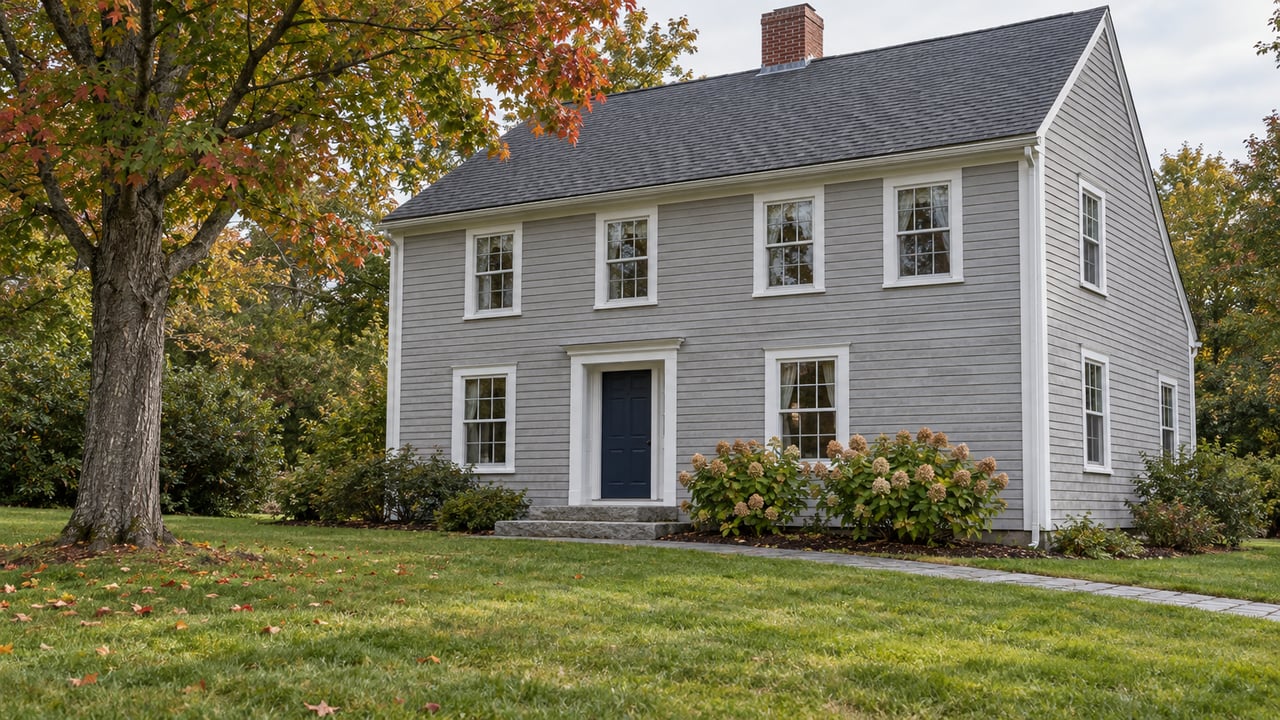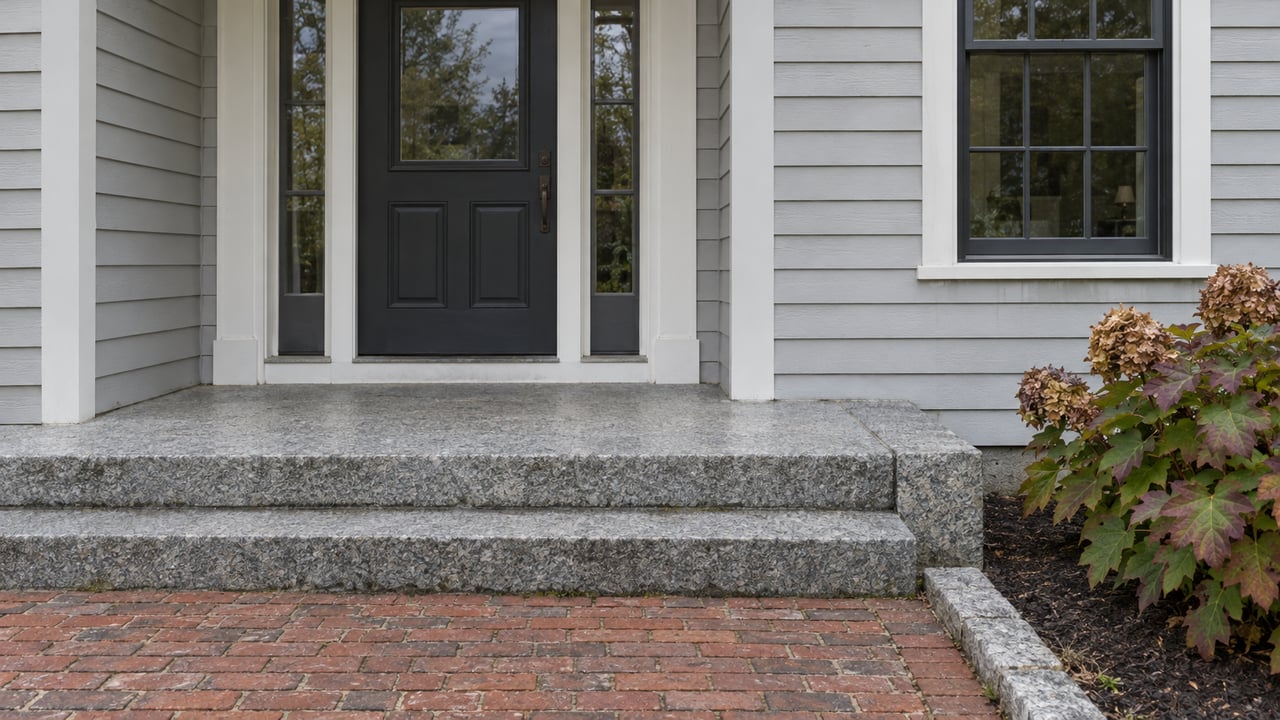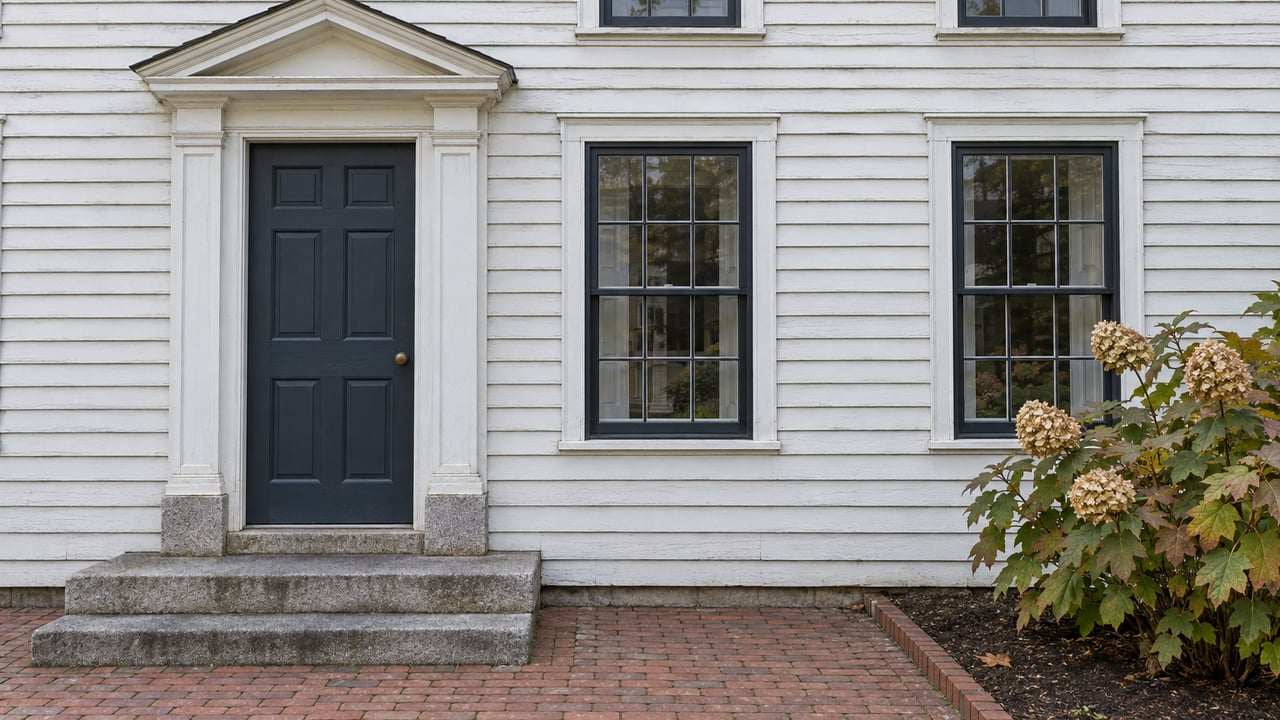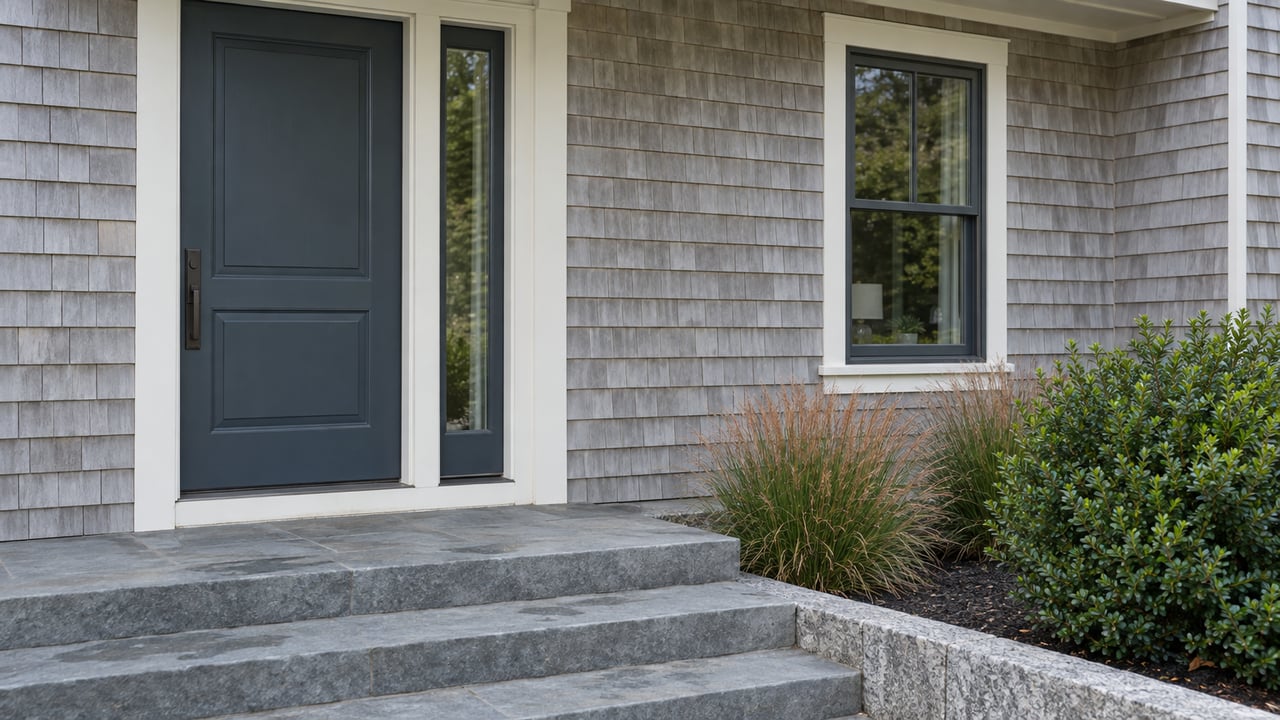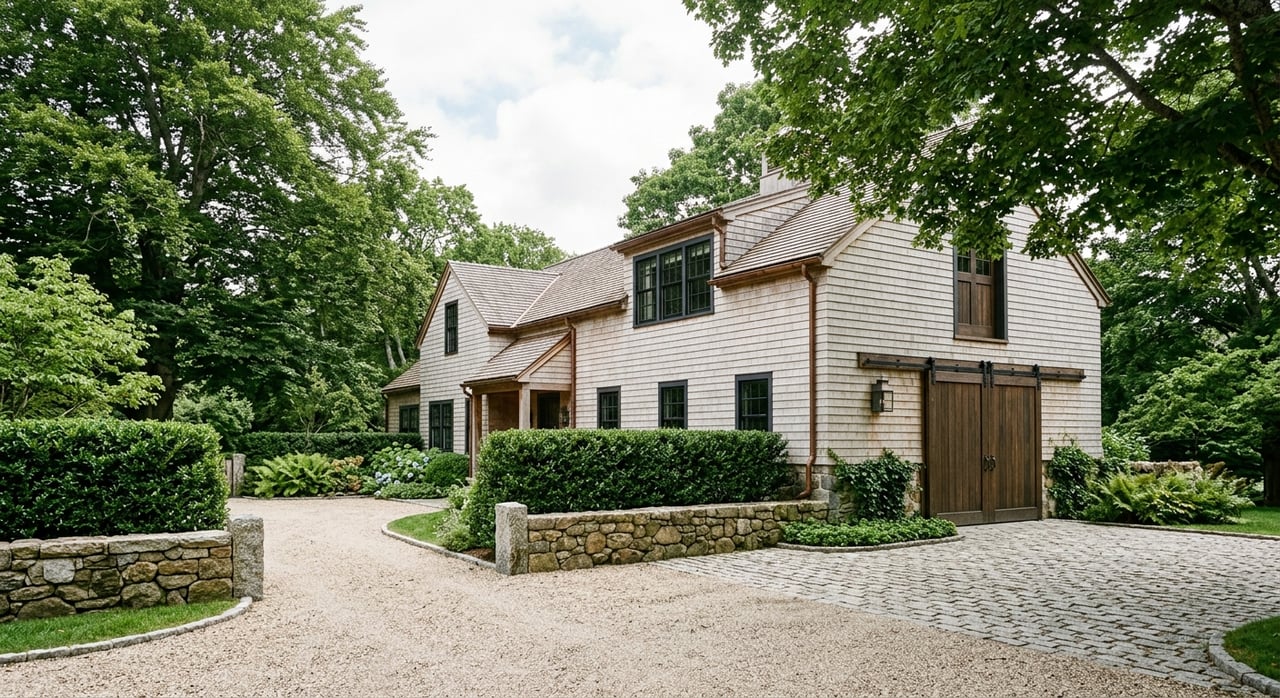
If you are preparing to sell a Newbury estate, presentation is not a finishing touch. It is part of the pricing strategy. In a town where land, setting, and outdoor use often shape value as much as the house itself, buyers notice how clearly the property feels cared for, functional, and ready to enjoy. This guide will help you focus on the updates, reviews, and launch steps that matter most before your home goes to market. Let’s dive in.
Why Newbury estate sales need a different plan
Newbury is not a one-size-fits-all market. The town describes itself as a residential and agricultural community with historic rural character, coastal resources, and open space tied to woods, rivers, and seashore.
That matters when you are selling an estate property. For multi-acre homes, equestrian properties, historic residences, and coastal parcels, buyers are evaluating more than square footage. They are also judging the land, the approach, the privacy, the usability of outbuildings, and how the property supports a certain lifestyle.
The market backdrop also supports careful preparation. Zillow estimated Newbury’s average home value at $940,117 as of April 30, 2026, with 21 homes for sale and a median list price of $1,003,333, while Redfin reported a median sale price of $929,520 over the prior three months and 31 days on market. These figures use different methods, but together they point to a market where presentation and pricing discipline still matter.
North Shore REALTORS has also noted that limited inventory continues to support pricing, and that well-presented, strategically priced homes are moving quickly, often with multiple offers and attractive terms. In other words, a polished launch can help you compete for strong buyer attention right away.
What high-end buyers tend to reward
Luxury buyers are not just buying a house. They are buying ease, clarity, and a property that feels aligned with how they want to live.
Research cited in the report shows that turnkey, move-in-ready homes remain especially appealing at the high end. Buyers are also paying attention to outdoor living, privacy, views, wellness, and sustainability, which means your prep should highlight both condition and lifestyle.
That does not always mean a major renovation. More often, it means removing friction. When buyers walk in, they should not be distracted by deferred maintenance, cluttered rooms, unclear land use, or outdoor features that feel unfinished.
Start with the visible basics
The strongest pre-listing work is usually the most buyer-facing. Deep cleaning, decluttering, simple repairs, and fresh paint where needed can change how a property feels without changing its floor plan.
You should also remove decor that makes rooms feel too personal or visually crowded. Buyers need to read the scale of the home clearly, especially in key spaces where they tend to focus first.
According to the staging data in the research report, the living room, primary bedroom, and kitchen deserve the most attention. Those rooms often shape the first impression of whether a home feels current, comfortable, and worth the asking price.
Use staging as a sales tool
At the luxury level, staging is not about making a home look generic. It is about helping buyers understand how the home lives.
The National Association of Realtors 2025 staging report found that 83% of buyers’ agents said staging makes it easier for buyers to picture the property as a future home. The same report found that 29% said staging increased the dollar value offered by 1% to 10%, and 49% of sellers’ agents said staging helped reduce time on market.
That is especially important in Newbury, where some estate homes have unique layouts, formal rooms, barns, guest spaces, or expansive grounds. Good staging gives those spaces purpose. It turns “extra” square footage into clear lifestyle value.
Prepare the grounds like part of the floor plan
For many Newbury estate properties, the land is part of the product. That means the exterior should be prepared with the same care as the kitchen or primary suite.
NAR’s outdoor-features research found that 97% of members believe curb appeal is important to buyers. Common pre-listing recommendations include landscape maintenance, standard lawn care, and tree trimming, which are especially relevant for larger properties where first impressions begin at the road.
Before launch, focus on the basics:
- Mow and edge lawns
- Refresh mulch where needed
- Prune overgrown trees and shrubs
- Repair fencing and gates
- Clear driveways and walking paths
- Organize storage and service areas
- Make outdoor gathering spaces look intentional and ready to use
If your property includes paddocks, gardens, patios, pools, or sitting areas, each should read as a finished part of the home. Buyers should not have to guess how the space works.
Stage barns, paddocks, and outbuildings intentionally
On estate and equestrian properties, barns and outbuildings can add tremendous appeal, but only if they feel functional and well kept. A barn that looks crowded, dim, or loosely maintained can create uncertainty.
Your goal is to make each structure easy to understand. Clean aisles, tidy tack or storage rooms, defined paddock boundaries, and clear access routes help buyers see the property as manageable and ready for use.
This is especially important in Newbury because the town still identifies agriculture as part of local life. Buyers may expect working land uses to be legible at a glance, so service access, pasture layout, storage zones, and general upkeep should feel organized.
Upgrade outdoor living presentation
Outdoor amenities should feel like true living space, not an unfinished project. If you have a patio, outdoor kitchen, pool area, or covered entertaining zone, present it as a place where someone could host, relax, and settle in right away.
The research report notes that buyers respond to outdoor spaces with thoughtful entertaining layouts, good flow between indoors and outdoors, ample prep and dining space, and durable materials. Even if you are not adding new features, the setup should feel complete and intentional.
Simple changes can go a long way:
- Arrange seating to show conversation areas
- Remove worn or mismatched furnishings
- Clean hardscaping and outdoor surfaces
- Replace dead plantings
- Store tools and maintenance items out of view
- Make sure lighting and access points are working properly
Verify waterfront and coastal features early
If your property includes water access, a dock, floats, shoreline improvements, or mooring rights, do not wait until marketing starts to confirm the details. These features can be highly valuable, but only if they are accurately documented before they appear in photos or listing materials.
Newbury has five designated mooring areas, and shoreline or waterfront features may involve Chapter 91 and wetlands considerations. The town’s Conservation Commission also provides coastal hazards and Plum Island construction resources, which is a good reminder that coastal parcels deserve early review.
This is one of the most important timing issues in a high-end sale. If a waterfront feature needs verification, it is better to resolve that before photography and pricing strategy are finalized.
Handle Massachusetts review items before launch
Some of the most important sale prep is not cosmetic. It is procedural.
For homes built before 1978, Massachusetts and federal lead-paint notification must be provided before a purchase and sale agreement is signed. If your home falls into that category, make sure this is organized in advance so there are no delays later.
MassDEP also says septic systems should be inspected when property is bought or sold. In general, sale-related inspections are good for two years, or three years if annual pumping records are available.
For some Newbury properties, you may also need to consider wetlands, shoreline, or historic review issues before launch. The town’s Conservation Commission guides residents through permitting under the Massachusetts Wetlands Protection Act and related standards, and Newbury’s Historical Commission and Local Historic District Study Committee are worth checking with if your home is historically significant and exterior work has been done or is planned.
Follow the right launch sequence
When sellers feel rushed, they often want to photograph first and solve details later. For an estate sale, that usually creates more problems than it solves.
A cleaner launch sequence is:
- Resolve legal, inspection, and review items first
- Complete visible repairs and landscape work
- Stage the interior and exterior
- Schedule photography, video, and other marketing media
- Launch only when the property is fully ready
This order matters because buyers often form their first and strongest opinion online. NAR’s staging report found that buyers’ agents placed high value on photos, videos, virtual tours, and staging, and buyers were more willing to visit homes they had already seen online.
Build a visual package that shows scale
A premium Newbury listing needs more than a few attractive photos. It needs a visual package that explains the property.
For many estate homes, that includes professional photography, staging-driven interior images, exterior twilight or daylight shots as appropriate, video, and virtual tour content. For multi-acre properties, aerial imagery is especially useful because it helps buyers understand scale, layout, and the relationship between the house, outbuildings, and land.
That kind of presentation is not just about polish. It reduces confusion. It helps serious buyers decide quickly whether the property fits their goals, which can improve showing quality and strengthen early interest.
Focus your budget where buyers notice
Before a high-end sale, it is easy to overspend in the wrong places. The better strategy is to invest in improvements that buyers can see, feel, and understand immediately.
In most cases, the best returns come from cleaning, paint touch-ups, repair work, staging, landscaping, and marketing media. These are the steps that support both pricing confidence and buyer perception.
The median cost of a staging service in the NAR report was $1,500, though luxury properties often require a more tailored approach. Even so, the data suggests that thoughtful presentation can support stronger offers and a shorter time on market.
The goal is clarity, not perfection
You do not need to make your Newbury estate feel overdone. You need to make it feel legible, cared for, and ready.
That means buyers should be able to understand the house, the land, and the lifestyle within minutes of arriving or browsing online. When the property is prepared with that level of discipline, pricing becomes easier to defend and marketing becomes far more effective.
If you are thinking about selling a luxury, historic, waterfront, or multi-acre property in Newbury, the right preparation can shape the entire outcome. For a tailored, white-glove strategy built around local knowledge and high-end presentation, connect with Kevin Fruh.
FAQs
What repairs matter most before selling a Newbury estate?
- Focus first on visible, buyer-facing items like deep cleaning, decluttering, simple repairs, fresh paint where needed, and landscape maintenance. These changes usually do more to improve first impressions than hidden upgrades buyers may never notice.
How should you prepare barns or paddocks before listing a Newbury property?
- Clean and organize barns, define paddock boundaries, repair fencing and gates, and make access routes easy to read. Buyers should be able to quickly understand how the land and outbuildings function.
What should you do before advertising waterfront features in Newbury?
- Verify water access, docks, floats, shoreline improvements, and any mooring rights before they are photographed or marketed. Newbury notes that waterfront features can involve local mooring rules, Chapter 91, and wetlands review.
Does a Newbury home need a septic inspection before sale?
- MassDEP says septic systems should be inspected when property is bought or sold, and sale-related inspections are generally valid for two years, or three years with annual pumping records.
What lead-paint step applies to older homes in Massachusetts?
- If a home was built before 1978, Massachusetts and federal lead-paint notification must be provided before a purchase and sale agreement is signed.
What marketing media helps an estate listing stand out in Newbury?
- Strong presentation usually includes professional photos, staging, video, and virtual tour content. For multi-acre properties, aerial imagery can be especially helpful because it shows the layout of the house, land, and outbuildings clearly.