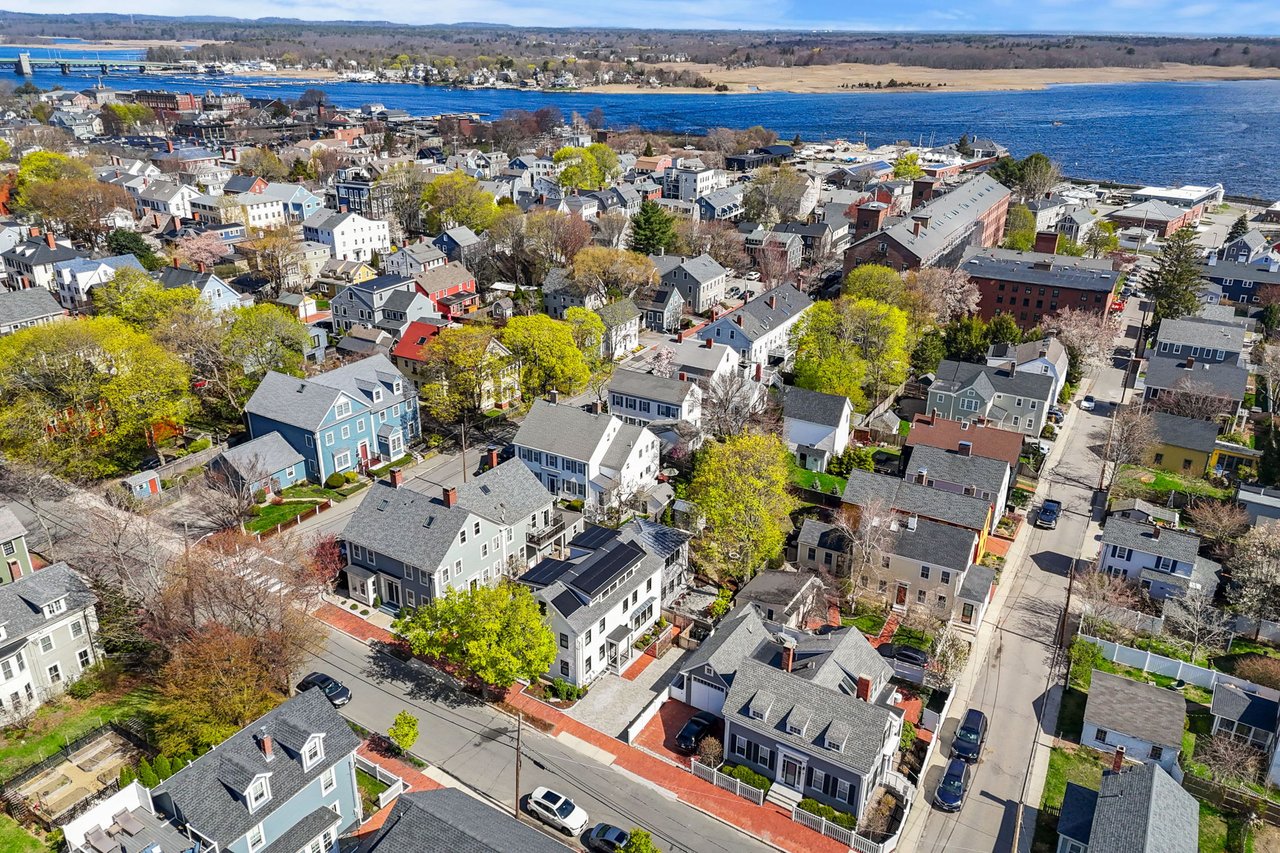
Want coastal living with fewer car keys in the mix? In Newburyport, that idea is more realistic than many buyers expect, especially if you focus on the right part of town. If you are wondering where a car-light lifestyle actually works, what home types fit best, and what it may cost, this guide will help you sort the practical from the aspirational. Let’s dive in.
Why car-light works in Newburyport
Newburyport is best understood as a compact coastal city where the easiest car-light routine is centered around downtown. The biggest reason is how closely several everyday assets sit together, including the waterfront, the commuter rail station, parks, and the Clipper City Rail Trail. When those pieces line up, you can often combine errands, recreation, and commuting into shorter walks or bike rides.
That does not mean every corner of Newburyport functions the same way. The most convenient low-car pattern is clustered in the core rather than spread evenly across all residential areas. If your goal is to drive less, location matters as much as the home itself.
Clipper City Rail Trail adds daily convenience
The Clipper City Rail Trail is a major part of the car-light equation. It is a 3.35-mile paved multi-use loop, completed in 2024, and the city says it is intended for walkers, runners, bicyclists, and other non-motorized users. The trail serves both transportation and recreation, which is exactly what many buyers look for in a more flexible daily routine.
The trail also connects to a broader Coastal Trails Network in Newbury, Amesbury, and Salisbury. According to the city, it is used by thousands of people, and more than half of users are daily users. That level of regular use suggests the trail is not just an amenity on paper. It is part of how people move through the city.
Why the trail matters to buyers
If you want to rely less on your car, everyday connections matter more than one standout feature. A trail that links key destinations can make simple routines feel easier, whether you are heading toward downtown, the station, or the waterfront. In practice, that can turn a home search into a lifestyle search.
The city is also improving connections around the Route 1 rotary. That project is intended to complete the east-west path connection between the trail and the MBTA station and add pedestrian beacons for safer crossing. For buyers thinking long term, those upgrades support stronger links between walking, biking, and rail access.
MBTA access supports Boston commuting
Newburyport is a stop on the MBTA Newburyport/Rockport Line, with service connecting to Boston’s North Station. For many buyers, that is the regional transportation link that makes car-light living more practical. You may still own a car, but you may not need to use it for every work trip.
This is especially important if you want a coastal home base without giving up access to Boston. Rail service adds flexibility, and homes near the station often stand out for buyers who value that option. If commuting is part of your decision, station access should be high on your checklist.
Waterfront living is part of daily life
In Newburyport, the waterfront is more than a scenic edge to town. The city describes the central waterfront as a 1,400-foot stretch along the Merrimack River, with 850 feet of floating docks available for recreational boaters. That creates a stronger link between daily life, recreation, and the city center.
For buyers, this matters because a true car-light lifestyle often depends on having several destinations close together. In Newburyport, the waterfront is integrated into that experience rather than set apart from it. That gives the downtown core a more connected, lived-in feel.
Best areas for car-light living
If your goal is to drive less, the strongest fit is usually in or near the downtown core, station-adjacent blocks, and the waterfront and rail-trail corridor. Those areas place you closest to the city assets that support a more walkable and bike-friendly routine. The farther you move from those connections, the less naturally that lifestyle tends to work.
That does not mean homes outside the core have less value. It simply means they may support a different rhythm, with more driving built into everyday errands and commuting. The key is matching your home search to how you actually want to live.
A practical way to think about location
When evaluating an address, ask yourself a few simple questions:
- How easily can you reach the rail trail?
- How close are you to the MBTA station?
- Can you get to downtown or the waterfront without making every trip a drive?
- Would your weekly routine feel simpler in this location?
Those questions often tell you more than a broad map search can.
Home types that fit a low-car routine
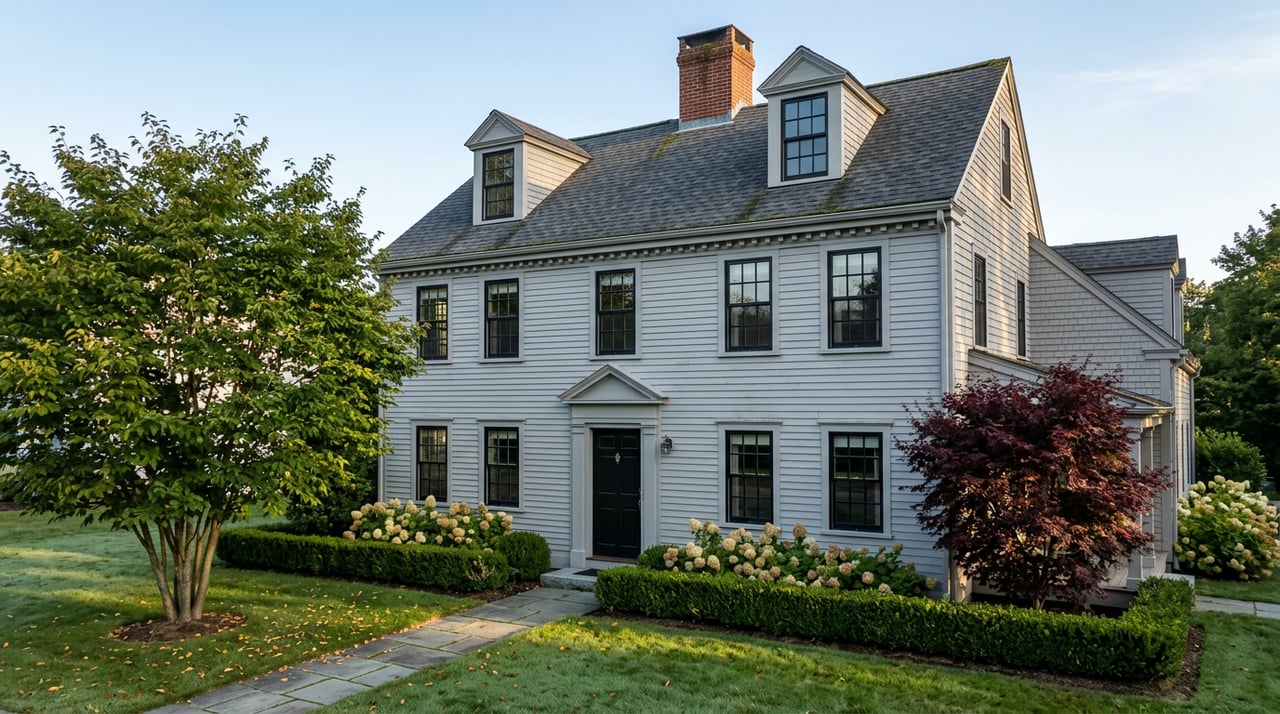
Newburyport has a more varied housing stock than many suburban communities nearby. According to the city’s 2025-2030 Housing Production Plan, 50% of housing units are detached single-family homes. The next largest share is single-family attached homes, or townhouses, with duplexes following closely behind.
The same plan says 51% of the housing stock was built before 1940. That older, more compact development pattern often aligns better with a car-light routine than newer subdivision-style layouts. For buyers, that means the city offers more than one path to living with less driving.
Best-fit property styles
For many buyers, these home types offer the strongest structural fit for car-light living:
- Condominiums near downtown or the station
- Townhomes and attached single-family homes
- Duplexes in compact residential blocks
- Small multifamily and mixed-use buildings near the core
The city’s Smart Growth District around the station is designed to allow redevelopment into multifamily condos, rental apartments, and mixed-use buildings similar in scale and character to Downtown Newburyport. That makes station-adjacent housing especially relevant if convenience and rail access are central to your search.
Price context for Newburyport buyers
Car-light coastal living in Newburyport comes with a meaningful price point. The Massachusetts Association of REALTORS’ March 2026 Newburyport market update shows a year-to-date median sales price of $857,500 for single-family homes and $700,000 for condominiums. The same report shows relatively limited inventory, with 17 single-family homes and 15 condos for sale.
Those numbers are helpful because they set expectations without overcomplicating the conversation. If you are targeting the most connected parts of town, you are likely shopping in a competitive, supply-constrained environment. A clear strategy matters.
Is Newburyport car-free or car-light?
For most buyers, the better label is car-light, not car-free. Newburyport offers a realistic lower-car lifestyle in the right locations, especially around downtown, the station, the waterfront, and the rail trail. Still, that convenience is concentrated rather than universal.
That distinction matters because it helps you set the right expectations. If you want to own one car instead of two, drive less during the week, or shift some errands and commuting to foot, bike, or rail, Newburyport can be a strong fit. If you expect every neighborhood pocket to function the same way, you may be disappointed.
How to shop for this lifestyle
A car-light home search should focus on your routine, not just square footage. Start by identifying which trips matter most to you, such as commuting, coffee runs, waterfront walks, or quick downtown errands. Then look for homes that support those habits naturally.
It also helps to stay open on property type. In Newburyport, the right condo, townhouse, or duplex near the core may deliver a more convenient daily experience than a larger home farther out. The best match is not always the biggest home. It is often the one that fits your life with less friction.
If you are weighing tradeoffs between location, home type, and price, local context makes a difference. That is where a grounded view of block-by-block convenience can help you make a more confident move. If you are exploring car-light coastal living in Newburyport, Kevin Fruh can help you evaluate the locations, property types, and market realities that best match your goals.
FAQs
Is car-light living in Newburyport realistic for daily life?
- Yes. It is most realistic in or near downtown, where the Clipper City Rail Trail, MBTA station, waterfront, and other daily destinations are closely connected.
What transportation options support car-light living in Newburyport?
- The main assets are the 3.35-mile Clipper City Rail Trail, walking access in the downtown core, and MBTA Newburyport/Rockport Line service to Boston’s North Station.
What home types work best for car-light living in Newburyport?
- Condos, townhomes, duplexes, mixed-use buildings, and other compact homes near downtown or the station are typically the best fit.
What is the price range for car-light homes in Newburyport?
- As of the March 2026 market update, the year-to-date median sales price was $857,500 for single-family homes and $700,000 for condominiums.
Why does the waterfront matter for Newburyport buyers?
- The waterfront is integrated into the city center and daily movement patterns, which adds to the convenience and appeal of living in the downtown core.
How do Newburyport residents get to Boston without driving?
- Residents can use the MBTA Newburyport/Rockport Line from Newburyport to Boston’s North Station.