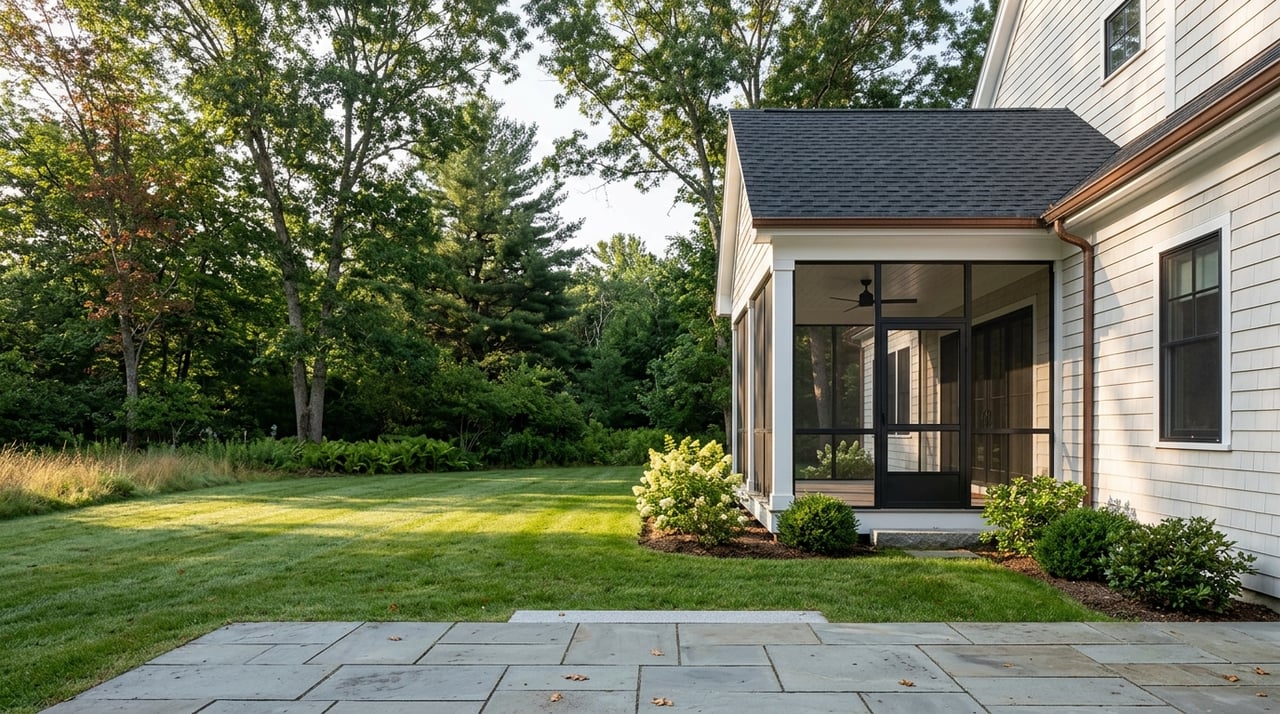
Looking for a town where outdoor living feels less like a weekend event and more like part of your normal routine? West Newbury offers exactly that. If you are drawn to open land, river access, wooded trails, and homes with a little more breathing room, this town stands out for how naturally the landscape shapes daily life. Let’s take a closer look.
Why West Newbury Feels Outdoorsy
West Newbury is a largely residential town shaped by rolling hills, fields, wetlands, forests, and surface water. According to the town’s 2026 Community Preservation Plan, forest canopy covers 60% of the community, and more than 2,100 acres are publicly owned or protected by public and nonprofit entities.
That amount of open space affects more than the view from the road. It creates a setting where hiking, cycling, birdwatching, dog walking, skiing, snowshoeing, boating, fishing, and equestrian use show up in everyday life, not just on special occasions.
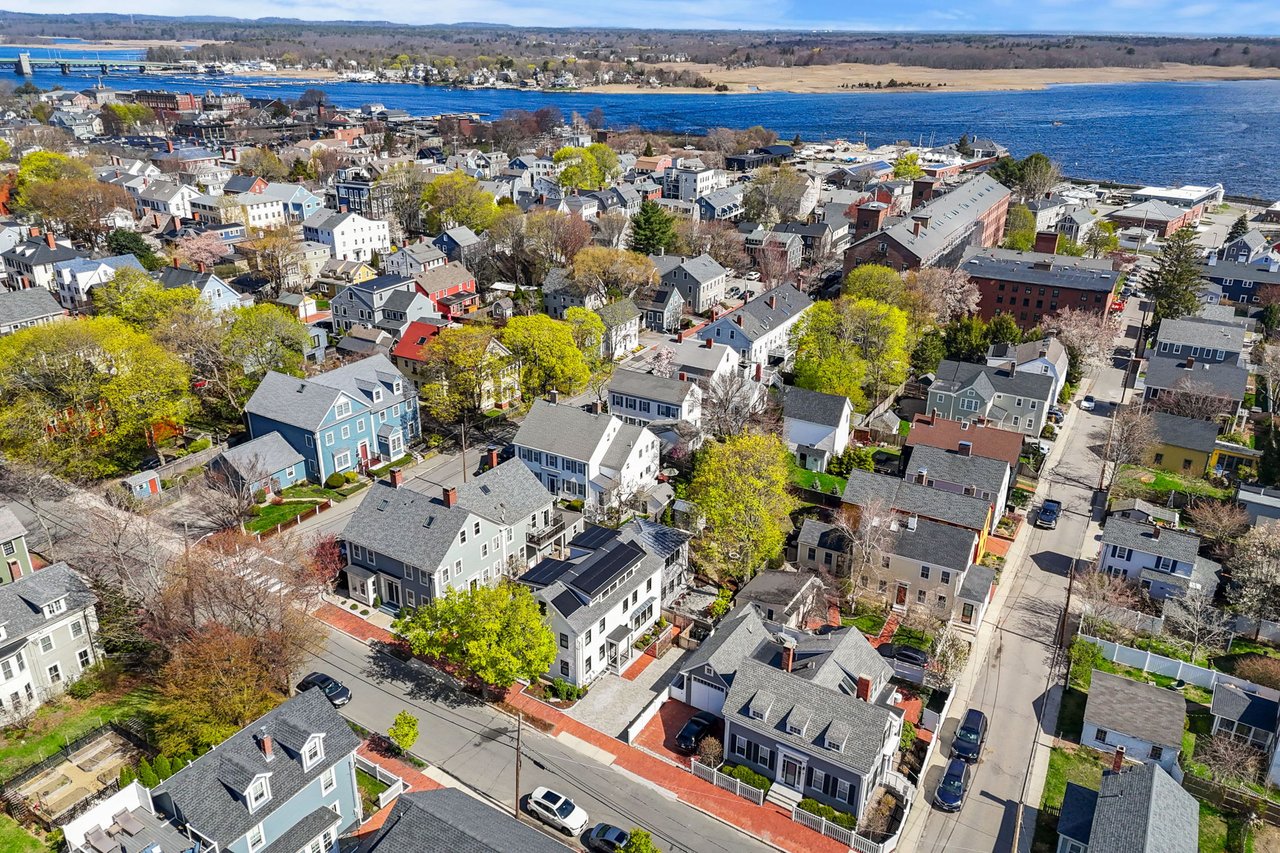
The town also sits along the Merrimack River and about 35 miles north of Boston. With Newburyport next door, West Newbury can feel quiet and semi-rural while still staying close to a more active nearby city.
Trails Shape Daily Routines
One of the most appealing things about West Newbury is that outdoor life is spread across the town. Instead of relying on one major park, you will find a network of trails, riverfront paths, reservoirs, and conservation parcels that support different types of activity through the year.
For many buyers, that matters. It means outdoor access can feel woven into a normal day, whether you want a quick walk with the dog, a longer trail outing, or a peaceful place to take in river views.
Mill Pond and Pipestave Hill
Mill Pond and Pipestave Hill form the town’s largest trail network at 270 acres. The town describes it as a multi-use area that is popular with dogs and horses, and notes that the pond can be used for skating in winter.
The connected trail system also links across Route 113 to Riverbend and the Page School. That kind of connection helps make the landscape feel practical for repeat use, not just scenic from a distance.
Riverbend and Page School
If you picture shoreline walks as part of your ideal routine, Riverbend and the Page School area are especially notable. The town highlights this stretch for its Merrimack shoreline access, along with sightings of bald eagles and great blue herons.
The area also includes the Indian River dam ruins and newer trail and bridge connections. Together, those features make it feel tied into local circulation and neighborhood movement.
River Road Preservation Area
River Road Preservation Area offers a different kind of outdoor experience. The town describes it as a 0.96-mile double loop through 31 acres of woodland, while Greenbelt emphasizes the easy terrain, wooded hillside, river access, stone walls, and birch grove.
For buyers who want manageable, everyday trail options, this is the kind of place that adds value to daily life. It is scenic without feeling overly demanding.
Artichoke River Woods
Artichoke River Woods is another example of how West Newbury’s outdoor network continues to grow. Greenbelt describes this 46-acre property as having easy terrain, 1.6 miles of trails, abundant wildlife, and nearly a mile of preserved stone walls connected to the site’s agricultural past.
That mix of nature and history is a recurring theme in town. Open space here often reflects both conservation goals and the working landscape that helped shape West Newbury over time.
River Access Adds Another Layer
The Merrimack is central to West Newbury’s identity, and public access points help make the river part of real life. Ferry Lane Park and the state boat ramp near Rocks Village Bridge provide the clearest public river access in town.
If you enjoy paddling, the town notes that River Meadow and Whetstone Greenway can work for kayaks or canoes at high tide. Withers Conservation Area also adds shoreline views along the Upper Artichoke Reservoir and allows fishing.
For some buyers, these details become a major part of the decision. A home setting can feel very different when water access, trail use, and open views are part of the surrounding landscape.
Farms Are Part of the Setting
West Newbury’s outdoor appeal is not only about preserved land. It also includes active farmland and a long-standing agricultural identity that the town continues to support.
In 2025, the Agricultural Committee was created through the town’s Right to Farm bylaw to support farming, protect farmland, and educate residents about agricultural issues. The bylaw also states that normal farming activity may involve noise, odors, dust, and fumes, and it requires a disclosure notice when property is sold or occupied.
That is an important point if you are considering a move here. West Newbury’s farm character is not just a visual feature. It is part of the town’s policy framework and part of what many residents value about living here.
Protected Farms and Working Land
Brown Spring Farm was permanently protected in 2019 as a 10-acre roadside farm that continues producing fresh food. Evergreen Farm, a former Christmas tree farm, was conserved in 2024 as 32 acres of wildlife habitat, farmland, and forested uplands, with a conservation restriction on part of the property.
The town also points to Chestnut Hill Farm Reservation, where residents can walk grass pathways, enjoy river views, and reach the Merrimack shoreline. Together, these spaces show how working land and recreation often overlap in West Newbury.
The broader pattern is also worth noting. The 2026 Community Preservation Plan says residents have approved 21 warrant articles for open-space or conservation purchases since 1996, supporting wildlife habitat, forests, water resources, trails, recreation, agriculture, and scenic views.
What Buyers Should Understand
West Newbury’s housing pattern mirrors its landscape. The town’s housing plan describes it as a primarily semi-rural residential community that once had many working farms and is becoming more suburbanized.
In practical terms, buyers often find wooded lots, field edges, hilltop views, and homes that feel buffered by open land. Outlying areas are generally zoned for two-acre minimum lots, while areas along Main Street and closer to the Merrimack River are zoned for one-half-acre and one-acre minimums.
That lot pattern helps explain why so many homes here feel spread out and private. It also means that land use, setbacks, and conservation context can play a big role in how a property functions over time.
Open Space Is Part of Development
Another local planning tool adds to that character. West Newbury’s Open Space Preservation Development approach requires at least 60% of a parcel to remain open space, and examples include Ocean Meadow and Cottages at River Hill.
For buyers, that can support a more natural setting even in developed areas. It often creates a sense that neighborhoods are shaped around the landscape rather than replacing it.
Due Diligence Matters
If you are looking at land, views, or trail adjacency, it is important to verify what is actually public, private, or protected by restriction. A parcel may appear open and accessible without being available for public use.
The town’s Conservation Commission has jurisdiction over work within wetland resource areas and within 100 feet of wetlands and 200 feet of rivers and perennial streams. That does not make a property less appealing, but it does mean careful review matters when you are evaluating future plans for outdoor improvements or site changes.
Why West Newbury Appeals to Many Buyers
For many people, West Newbury offers a compelling balance. You get a quieter setting with more open land and a strong connection to nature, while still being next to Newburyport, which acts as the nearby amenity hub in daily life.
That combination can be especially attractive if you want space without feeling remote. It supports a lifestyle where morning walks, river views, wooded trails, and seasonal outdoor recreation are close at hand, while shops, dining, and services remain nearby.
From a real estate perspective, that is a meaningful quality-of-life advantage. Homes here are not just about square footage or finishes. They are often about how the surrounding land supports the way you want to live every day.
If you are considering a move in West Newbury or thinking about how to position your property in this market, working with someone who understands the town’s land patterns, conservation context, and buyer expectations can make a real difference. For tailored local guidance, connect with Kevin Fruh.
FAQs
What makes West Newbury outdoor living different from other towns?
- West Newbury’s outdoor lifestyle is spread across trails, riverfront areas, reservoirs, conservation land, and farmland, making it part of everyday routines rather than centered on a single destination.
What are some popular outdoor areas in West Newbury, MA?
- Notable spots include Mill Pond and Pipestave Hill, Riverbend and Page School, River Road Preservation Area, Artichoke River Woods, Ferry Lane Park, and Withers Conservation Area.
What should buyers know about farmland in West Newbury?
- West Newbury actively supports farming through its Right to Farm bylaw, and buyers should understand that normal farm activity may involve noise, odors, dust, and fumes.
What do lot sizes in West Newbury usually look like?
- According to the town’s housing plan, outlying areas are generally zoned for two-acre minimum lots, while areas along Main Street and toward the Merrimack River are generally zoned for one-half-acre and one-acre minimums.
What should buyers verify before purchasing property near open land in West Newbury?
- Buyers should confirm whether nearby open space is public, private, or protected by restriction, and should also review any wetland or riverfront jurisdiction that may affect future property work.