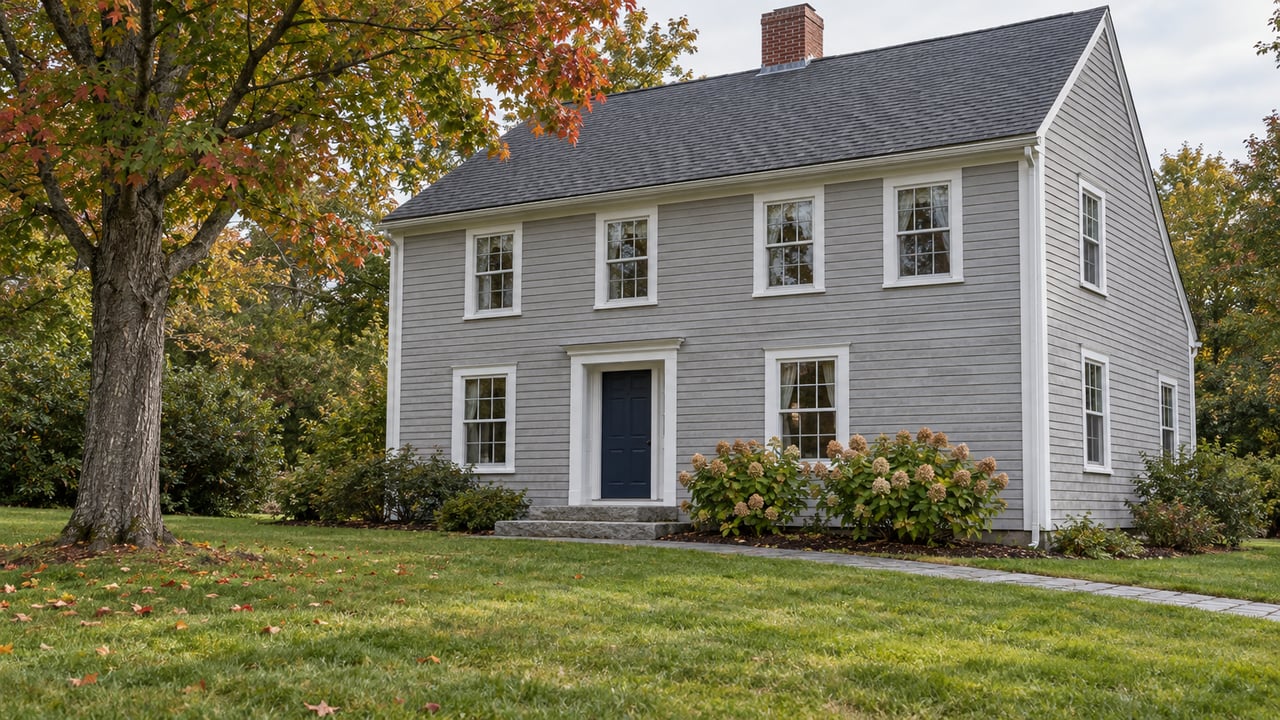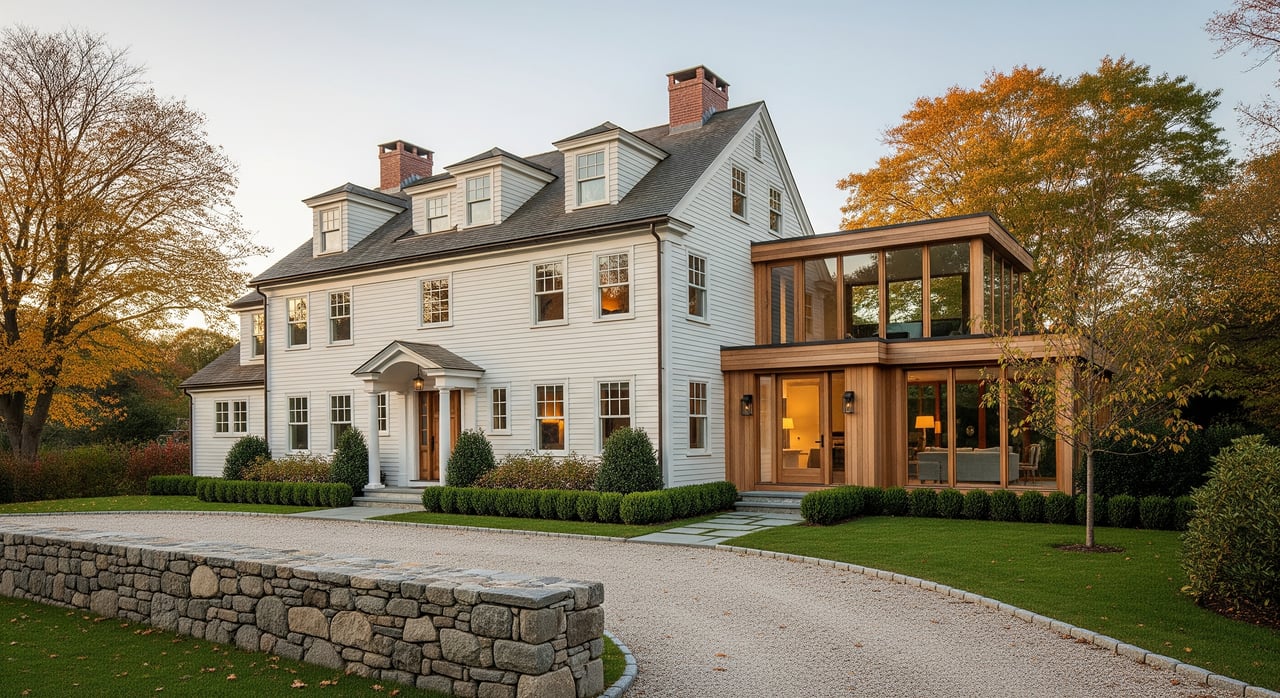
Wondering which upgrades actually pay you back in a classic West Newbury home? When your house has history, you need a plan that respects its character while delivering modern function buyers value. In this guide, you will learn which projects tend to deliver the strongest ROI here, what to avoid, how to budget and permit work, and a simple process to estimate returns on your specific property. Let’s dive in.
Why ROI looks different in West Newbury
West Newbury’s housing stock skews older, with many historic and classic New England homes on larger lots. Buyers in the broader Greater Boston commuter region value character, practical layouts, and access to amenities. In a market with limited inventory, well-chosen improvements can help your home stand out and shorten time on market.
Since 2022, higher mortgage rates have influenced what buyers can afford and how appraisers view value. This environment rewards cost‑smart projects that widen the buyer pool without overspending. Preserving original features while making kitchens, baths, and systems feel current often hits the sweet spot.
Top projects that boost ROI
National remodeling studies show consistent patterns that align with what local buyers want. Exterior appeal and modest interior updates tend to recoup a higher share of cost than large gut renovations. In classic homes, aim to enhance function and comfort while protecting original details.
Curb appeal and exterior
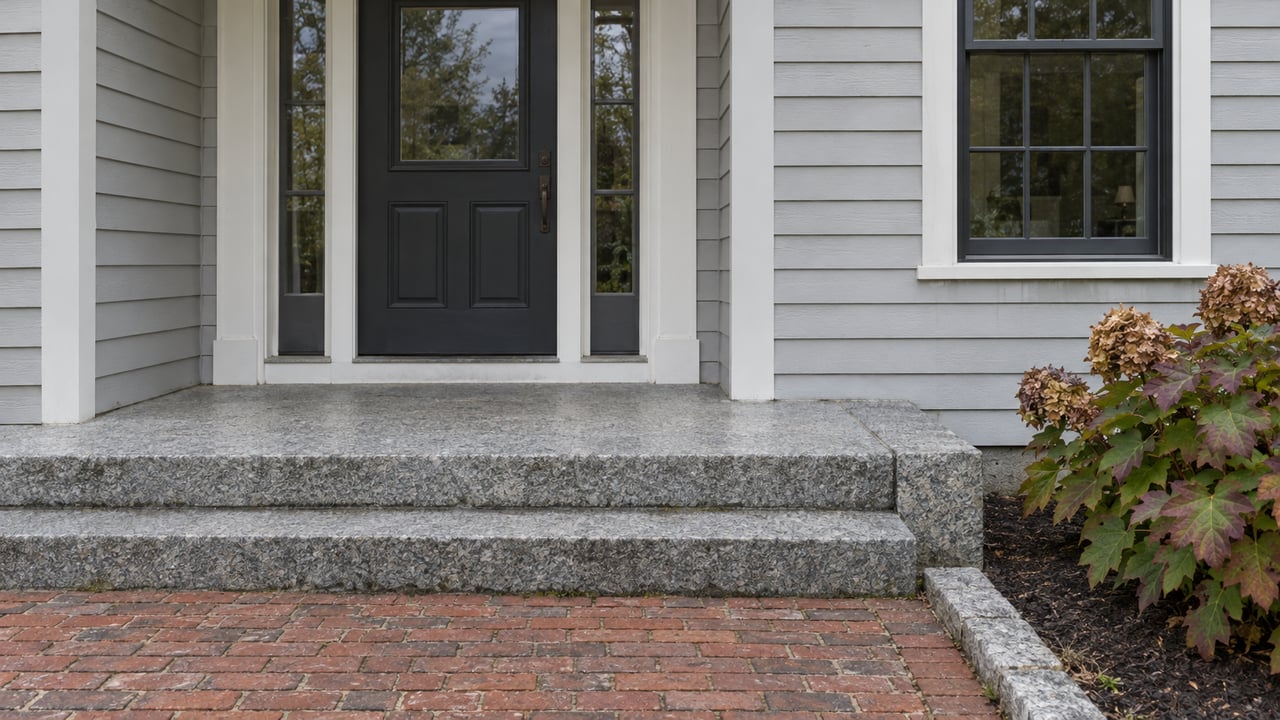
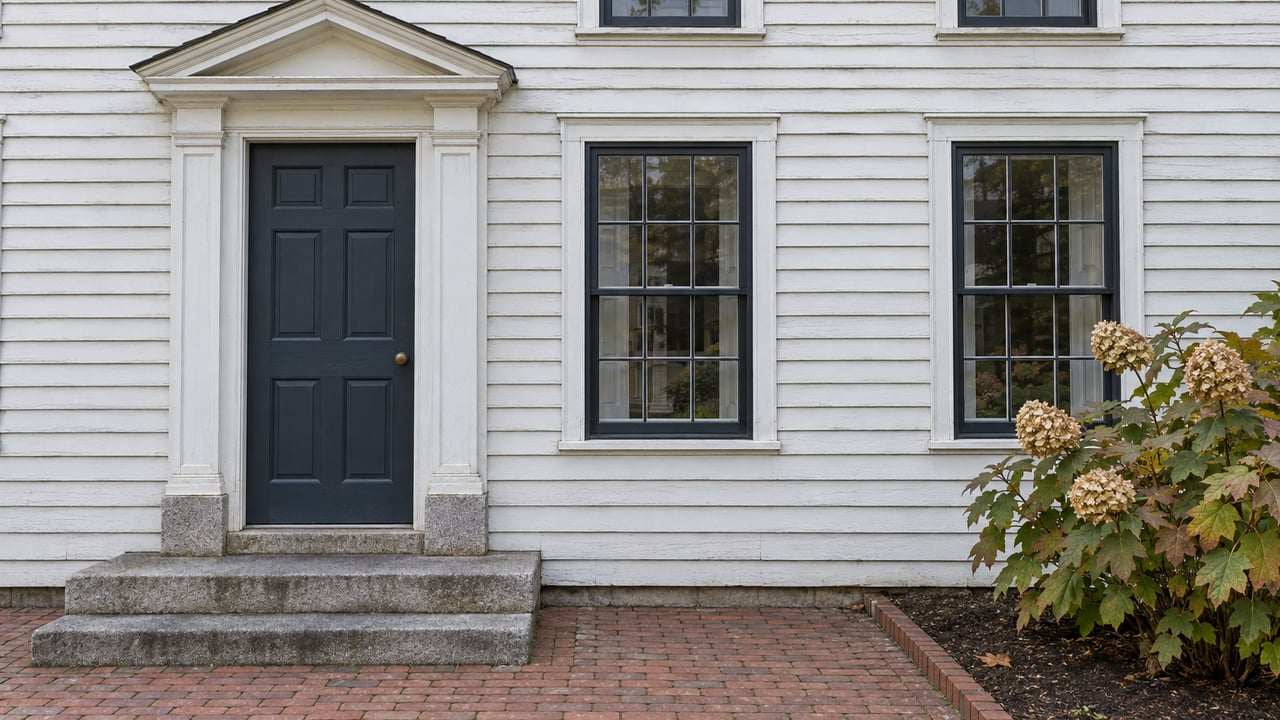
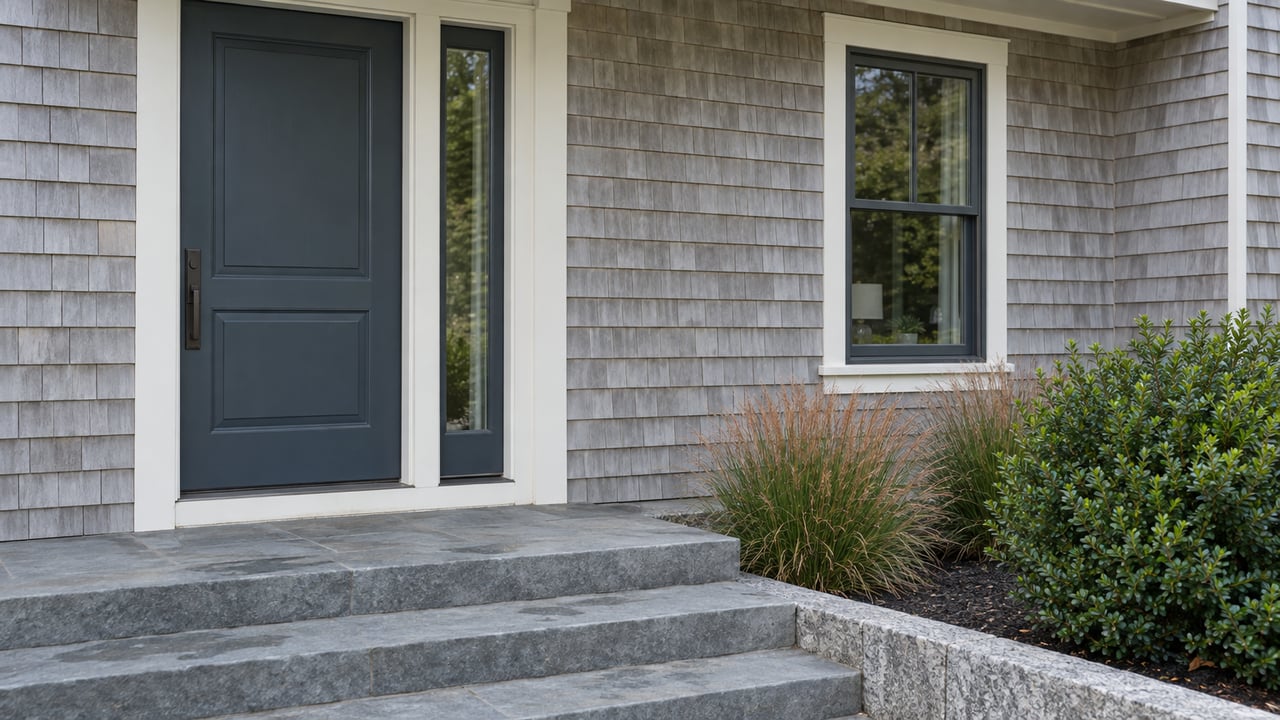
- Refresh the entry with a quality door, repaired steps, and period‑appropriate hardware.
- Repaint or replace tired siding with materials that fit the home’s style.
- Improve landscaping with simple, tidy plantings and lighting.
- Repair porches and railings to highlight craftsmanship buyers notice.
Minor kitchen refresh
- Refinish or paint solid cabinetry, upgrade hardware, and add durable countertops.
- Update lighting, faucet, backsplash, and a few key appliances.
- Keep the layout when possible to avoid costly structural changes.
- Choose finishes that complement original floors, trim, and built‑ins.
Bathroom updates
- Replace vanities, fixtures, lighting, and tile where needed.
- Improve ventilation and water efficiency.
- Keep the palette clean and timeless to appeal to a wide buyer pool.
Energy efficiency buyers notice
- Add insulation and air sealing for comfort and lower operating costs.
- Consider efficient heating and cooling, including heat pump options where appropriate.
- Evaluate windows and weatherstripping for targeted improvements. Massachusetts programs and federal incentives may offset some costs, so verify current offerings before you budget.
Outdoor living and decks
- Repair or rebuild aging decks for safe, functional space.
- Add simple seating areas or patios that extend usable living space.
When major remodels make sense
Large kitchen reconfigurations, additions, or complex structural work can raise the final sale price, but they often recoup a smaller percentage of cost. These projects work best when the home’s size or layout caps its marketability and when comparable properties support the higher price point. Match scope and finish level to neighborhood values to avoid over‑improving.
West Newbury realities to plan for
Historic character and approvals
Classic homes often have defining details like moldings, built‑ins, and porches. Local buyers tend to value preservation, so avoid “over‑modernizing.” Check with the Town of West Newbury for building permits and any historic or conservation reviews, especially for exterior changes.
Hidden issues in older homes
Be ready for common items like lead paint, knob‑and‑tube wiring, aging galvanized plumbing, older foundations, and inadequate insulation. These can be costly and may require disclosure or remediation. Build a 10 to 20 percent contingency into your budget to handle surprises.
Seasonal timing
New England weather limits exterior work windows and shapes the prime selling season. If you plan to list in spring, schedule exterior projects early so photos and showings reflect fresh paint and landscaping.
Appraisals and comps in a small town
Appraisers rely on recent comparable sales, which can be scarce in a small market. Work with a local agent and, when needed, a local appraiser to identify the best comps and ensure your improvements align with what buyers are paying for right now.
Step‑by‑step: Estimate your renovation ROI
- Define your goals and scope
- Decide if you are preparing to sell soon or planning to enjoy the home for several years.
- Prioritize projects that remove buyer objections and add broad appeal.
- Pull local comps
- Identify 3 to 6 recent renovated sales and 3 to 6 unrenovated sales in West Newbury or nearby towns.
- Compare price, days on market, and features to see which updates buyers rewarded.
- Get accurate bids
- Obtain 2 to 3 detailed estimates from contractors experienced with historic homes.
- Include permit fees and a contingency for hidden conditions.
- Estimate after‑renovation value
- Use comps to project a realistic sale price once work is complete.
- Validate with a local agent and, if needed, a local appraiser.
- Run the ROI math
- Simple ROI (percent recouped) = estimated price increase divided by total project cost, then multiply by 100.
- Example: If a $25,000 kitchen refresh adds $35,000 in value, the dollar gain is $10,000 and the percent recouped is 40 percent.
- Account for full costs
- Include holding costs like mortgage, taxes, and insurance if you will own during renovations.
- Add selling costs such as commissions, staging, and transfer taxes to calculate net.
- Check the neighborhood ceiling
- Compare your projected finished price to top recent sales to avoid over‑improvement.
- Decide: renovate or sell as‑is
- If ROI is strong and timeline fits your goals, proceed. If not, consider a light refresh and list.
Budgeting and financing options
Paying from existing equity
Many owners use a home equity line of credit or a fixed‑rate home equity loan for midrange projects. These options can be cost‑effective if you have substantial equity.
Purchase plus renovation mortgages
If you are buying a classic home that needs work, FHA 203(k) and Fannie Mae HomeStyle loans let you finance purchase and renovation in one mortgage. These can be useful for owner‑occupants who want to tackle updates soon after closing.
Incentives for efficiency upgrades
Massachusetts offers strong energy‑efficiency programs that may reduce the net cost of insulation, air sealing, heat pumps, and high‑efficiency systems. Federal tax credits may also apply. Program terms change, so confirm current eligibility and amounts before committing.
Permits and inspections
Most structural, electrical, plumbing, and mechanical work requires permits. Exterior changes may need historic or conservation review, especially near wetlands. Unpermitted work can delay or reduce proceeds at closing, so plan to do it right the first time.
Seller strategies that work now
- Fix safety and system items that could derail a sale, including electrical and plumbing issues.
- Focus on high‑impact cosmetics: paint, lighting, hardware, and a targeted kitchen or bath refresh.
- Preserve period features and highlight them in photos and listing copy.
- Schedule a pre‑listing inspection to surface permit or maintenance issues early.
- Time exterior work so your listing launches with strong curb appeal.
Buyer strategies for renovating a classic home
- Inspect thoroughly and budget conservatively for hidden conditions.
- Decide early if you will maintain historical accuracy or selectively modernize while preserving key features.
- Line up contractors and bids during the inspection period to refine your scope.
- Explore renovation mortgages if you need to finance both purchase and updates.
- Phase projects to minimize disruption and protect original materials.
Mistakes that cut ROI
- Removing original details that define the home’s character.
- Over‑improving beyond neighborhood price bands.
- Skipping permits or documentation that buyers and appraisers expect.
- Choosing finishes that clash with the home’s style or feel trend‑dependent.
- Ignoring energy and comfort improvements that buyers increasingly value.
What this means for your home
In West Newbury’s classic homes, the best returns usually come from character‑friendly updates, a smart kitchen and bath refresh, and efficiency gains that improve comfort and costs. Anchor your plan in local comps, get real bids, and confirm permits before you start. If you want a clear, tailored strategy, request a pricing and renovation roadmap that aligns with today’s buyer pool.
Ready to see what will pay off in your home? Connect with Kevin Fruh for local comps, scope guidance, and a market‑ready plan, or tap the team to Request Your Complimentary Home Valuation.
FAQs
Which renovations deliver the highest ROI for West Newbury classic homes?
- Curb appeal updates, minor kitchen refreshes, midrange bathroom improvements, and targeted energy‑efficiency upgrades typically recoup a higher share of cost than major gut projects.
Should I renovate or sell as‑is in West Newbury?
- Compare realistic after‑renovation value to total project cost and selling expenses, then choose the path that nets more while fitting your timing and risk tolerance.
How do historic rules affect what I can change on my home?
- Exterior work and alterations in certain areas may require local reviews, so confirm permit and historic‑commission requirements with the town before you finalize plans.
How much should I budget for hidden issues in an older home?
- Build a 10 to 20 percent contingency for surprises like wiring, plumbing, insulation, and lead paint, which are common in older New England homes.
Are there incentives in Massachusetts for energy upgrades?
- Yes, state programs and federal tax credits may reduce net costs for insulation, air sealing, and efficient systems, so check current eligibility and amounts before committing.
Which loans let me finance renovations with a home purchase?
- FHA 203(k) and Fannie Mae HomeStyle loans allow you to combine purchase and renovation costs into one mortgage, subject to program rules and lender approval.
How do I find comps for renovated historic homes in a small market?
- Use recent local sales of similar renovated and unrenovated homes, and work with a West Newbury‑area agent and appraiser to select the most relevant comparisons.