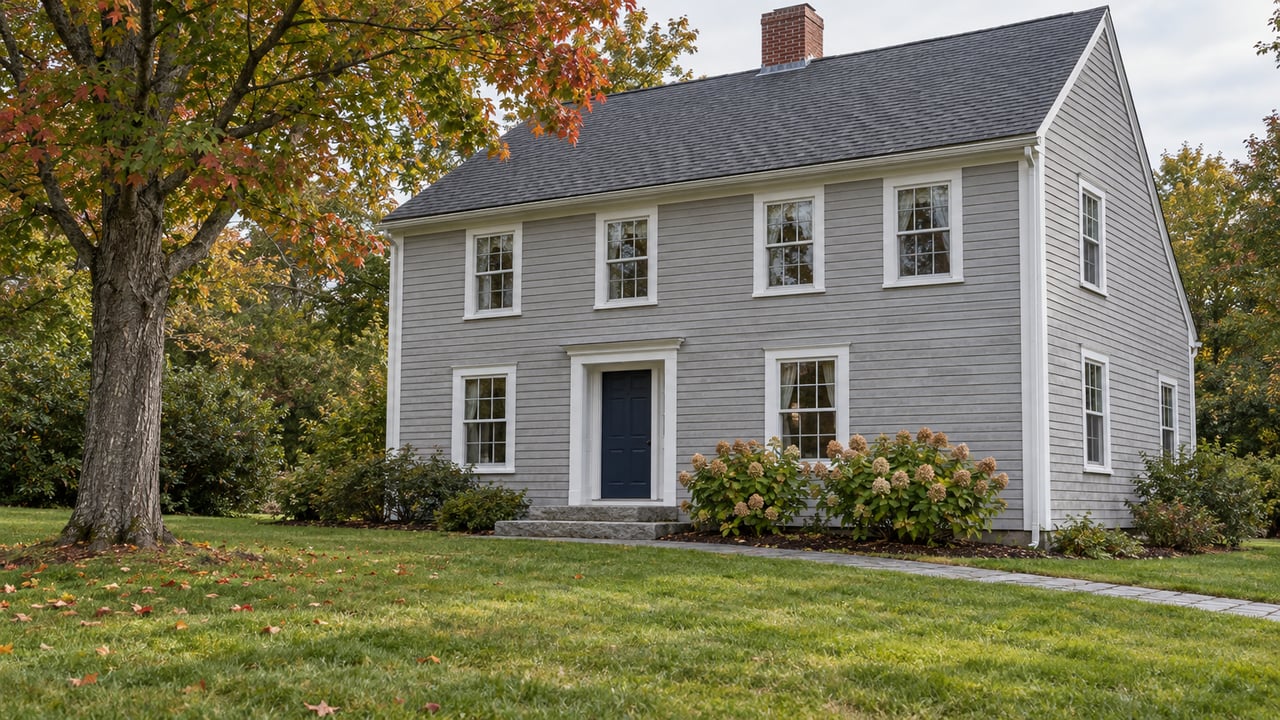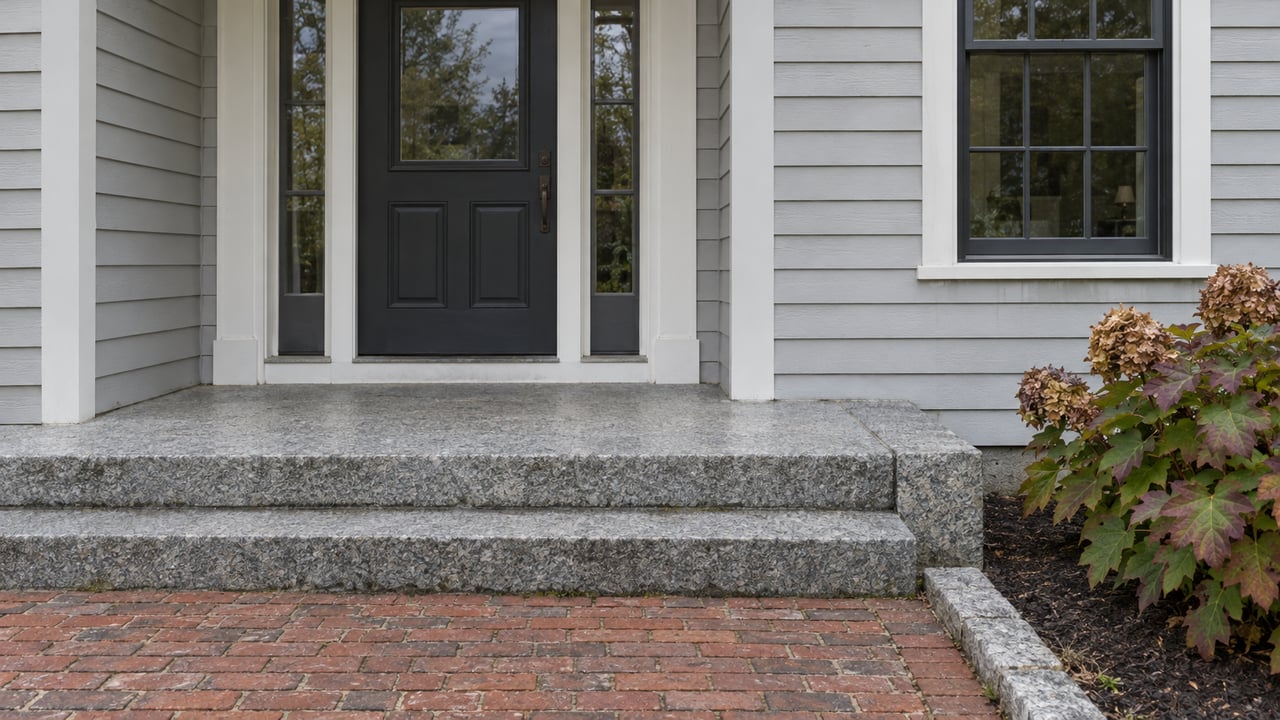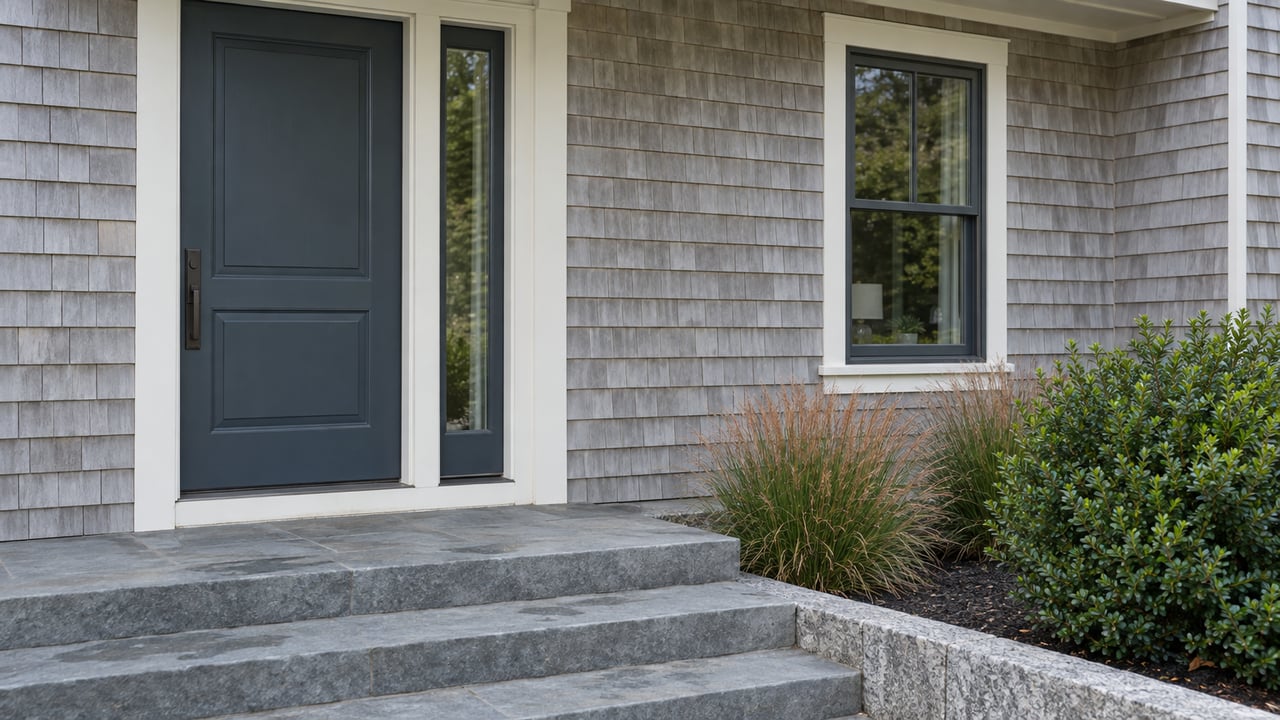
Torn between a brand-new build and a centuries-old charmer in West Newbury? You are not alone. Each path offers real benefits, and the right fit often comes down to buildability, maintenance, energy costs, and long-term value. In this quick, local guide, you will see what truly changes your cost, timeline, and resale prospects in West Newbury. Let’s dive in.
West Newbury at a glance
West Newbury is a small North Shore town with a rural feel and access to regional routes. You will drive to commuter-rail stations in neighboring communities, since there is no station in town. Families are served by the Pentucket Regional School District. Inventory is typically limited, and buyer competition varies by price point.
Recent vendor snapshots show a general median range around the upper six figures to low seven figures. For example, a late‑2025 Realtor.com snapshot showed about $1.095M for the median list price, while other vendors reported medians closer to the $900k range. Expect a working range of roughly $800k to $1.1M depending on the data source and timing, and always verify current numbers. You can review an example overview on Realtor.com’s West Newbury page for context.
- Source example: see the West Newbury market overview on Realtor.com.
New construction realities
Supply and buildability limits
New construction in West Newbury is limited by zoning and wastewater rules. Minimum lot sizes in residential districts are substantial, with Residence C around 20,000 square feet and larger minimums in Residence B and A. These standards restrict how many new lots can be created without special procedures. See the Planning Board packet for a summary of district minimums and frontage standards.
- Zoning context: Planning Board packet summary
West Newbury has no municipal sewer system. Most homes rely on on-site systems regulated by Massachusetts Title 5, and many properties also use private wells. These limits make large subdivisions or dense multifamily buildouts difficult without shared treatment systems and careful site engineering. The town’s MBTA-Communities planning further underscores that practical buildout is constrained by soils and Title 5 requirements.
- Wastewater and planning background: Town plan materials
- MBTA-Communities project page: Planning Board overview
Cost and timeline basics
State and regional guides suggest many Massachusetts new builds land roughly in the $200 to $350+ per square foot range depending on finishes, sitework, and labor costs. In West Newbury, add potential line items for septic design and installation, wetlands setbacks, and possible water or well work. The site itself often drives the budget as much as the house design.
- Cost context: Average cost to build a house in Massachusetts
Plan for a multi-step process: design and engineering, septic approvals, conservation review if applicable, and building permits. The septic design and Board of Health review can be the critical path. Waterfront or river-adjacent sites and their buffers can add months and cost.
Energy and comfort benefits
New homes built to current codes often have tighter envelopes, modern HVAC, and electrical capacity for EV charging. Many builders can integrate high-efficiency heat pumps, heat-pump water heaters, and better insulation during construction, which lowers operating costs and reduces retrofit hassles later. ENERGY STAR guidance highlights why newer homes typically deliver improved performance.
- Efficiency overview: ENERGY STAR new homes
- Incentives: Check the latest Mass Save heat-pump water heater rebates. Programs change, so confirm current eligibility and timing.
New build pros and cons
Pros
- Modern layouts, larger closets and garages, and up-to-date mechanicals.
- Strong energy performance and easier path to heat pumps and EV readiness.
- Lower near-term maintenance needs.
Cons
- Higher up-front cost per square foot.
- Limited suitable lots given septic and wetlands setbacks.
- Longer lead times and potential for site surprises.
Antique homes in West Newbury
Style and setting
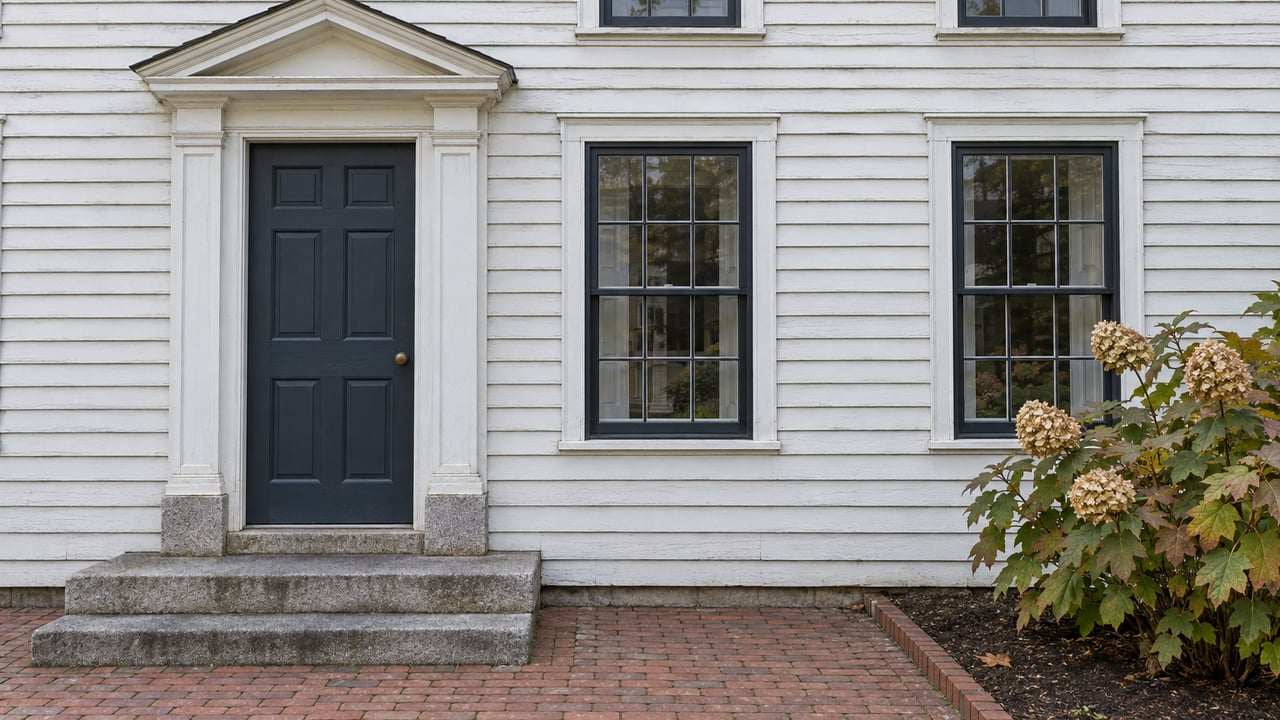
West Newbury has a notable mix of 18th and 19th century farmhouses and Colonial, Federal, and Greek Revival homes, especially near the town center and along older roads. Many appeal to buyers for their character, mature lots, and proximity to local amenities. These properties are a key part of the town’s market identity and charm.
What to inspect and plan
Older homes can involve electrical updates, plumbing replacements, heating upgrades, and targeted insulation and window work. Homes built before 1978 may have lead-based paint, and any renovation that disturbs paint must follow EPA lead-safe rules. Smart buyers budget for selective to moderate renovations and use inspections to size the scope.
- Lead safety: EPA lead-safe renovation guidance
Historic review and incentives
If a property lies in a local historic or conservation overlay or carries a Register designation, exterior changes may require review by the town’s historical commission. That process preserves neighborhood character and may limit major exterior changes or require certain materials. Tax credits generally apply to income-producing properties or specific approved rehabilitation projects, so confirm eligibility before you plan a project.
Antique pros and cons
Pros
- Character and original materials that are hard to replicate.
- Established settings, mature landscaping, and sometimes larger lots.
- Often a lower price per square foot than replacement cost.
Cons
- Near-term maintenance and system upgrades are common.
- Energy performance usually needs retrofit work.
- Possible oversight for exterior changes in historic areas.
Costs, taxes, and value drivers
- Prices and expectations. Vendor snapshots vary, but recent data often place West Newbury’s median pricing around $800k to $1.1M depending on source and date. For a recent example, see Realtor.com’s West Newbury overview. Verify current medians with your agent.
- Property taxes. The FY26 residential tax rate posted by the town is $10.15 per $1,000 of assessed value. Check the Assessor’s page for current-year figures and examples.
- Source: Town of West Newbury Assessors
- Zoning and expansion potential. Minimum lot sizes and frontage vary by district, and usable upland area matters more than raw acreage when wetlands are present. If you plan an addition or accessory structure, confirm the district standards and setbacks early.
- Zoning context: Planning Board packet summary
- Septic and water. Most properties rely on Title 5 on-site wastewater systems, and many outlying homes are on wells. Title 5 capacity and siting can affect additions and future bedrooms.
- Background: Town plan materials
How to decide for long-term ROI
Due diligence checklist
- General home inspection to recognized standards.
- Title 5 septic inspection and certification.
- Lead-based paint check for pre-1978 homes and plan for lead-safe work if renovating.
- Optional specialized tests as warranted by the property.
Compare key value drivers
- Location and logistics. Proximity to town center and commuter routes can influence resale. School assignment is Pentucket Regional School District. Verify what matters most to you before you shop.
- Lot and usability. Confirm zoning district, frontage, and wetlands buffers. Usable upland governs expansion potential and future projects.
- Systems first. Roof, foundation, septic, electrical panel, and heating are high-impact costs. Cosmetic updates can wait.
- Energy opportunities. In an antique home with solid bones, targeted air sealing, attic insulation, and a heat-pump conversion with available incentives can lower operating costs and improve future marketability.
Smart renovation priorities
National ROI studies highlight strong cost recovery for curb appeal and targeted functional improvements. Think front door and garage door updates, whole-house painting, insulation and weatherization, and moderate kitchen or bath refreshes. Use higher-end finishes when neighborhood comps support them.
- ROI research summary: NAR Remodeling Impact Report press release
A simple decision flow
- Set dealbreakers. Confirm school boundary, septic capacity, lot size, wetlands buffers, and commute tolerance with town sources before you offer.
- Inspect in parallel. Order the general inspection and Title 5 inspection at the same time. Add a lead test for pre-1978 homes.
- Get real numbers. Price out the big three: septic work, roof or structural fixes, and major mechanicals. Compare to local comps and to realistic new-build costs that include sitework and septic.
- Match to your priorities. If you want lower near-term maintenance and energy simplicity, lean newer or very well-updated. If you want character and location, an antique can win, but plan budgets and timeline accordingly.
Work with a local advisor
Choosing between new and antique in West Newbury is not just about style. It is about septic feasibility, zoning, energy performance, and the right offer strategy for a tight, upper-tier market. A seasoned, locally rooted advisor can help you spot hidden costs, quantify renovation ROI, and secure the right home at the right number.
If you are weighing your options or want a second opinion on a specific property, connect with Kevin Fruh for a tailored game plan. Kevin’s boutique team pairs deep local knowledge with premium, responsive service so you can move forward with confidence.
FAQs
What should a West Newbury buyer inspect first?
- Prioritize a general home inspection and a Title 5 septic inspection, then add lead testing for pre-1978 homes and any specialized tests your inspector recommends.
How do septic rules affect new construction in West Newbury?
- Title 5 requirements and soil conditions govern system size and placement, which can limit bedroom counts, additions, and subdivision potential on many lots.
Are new homes cheaper to operate than antiques?
- Often yes. New builds usually have tighter envelopes and modern HVAC, and they are easier to equip with heat pumps and high-efficiency water heaters that may qualify for Mass Save incentives.
Do historic homes face exterior change restrictions?
- If a property lies in a local historic or conservation overlay or is listed on a register, exterior changes may require review that preserves character and can limit certain materials or designs.
What renovations tend to deliver the best ROI locally?
- Curb-appeal projects, whole-house painting, insulation and weatherization, and moderate kitchen or bath updates typically offer strong cost recovery compared to very high-end finish upgrades.