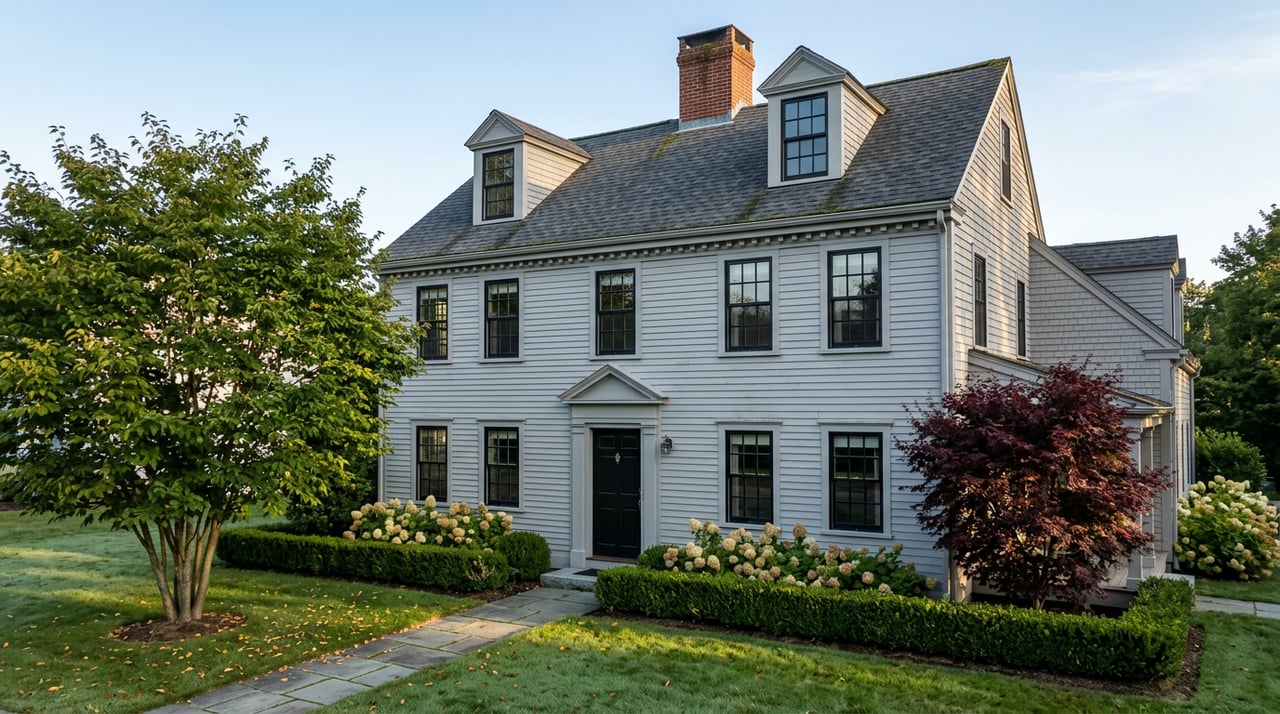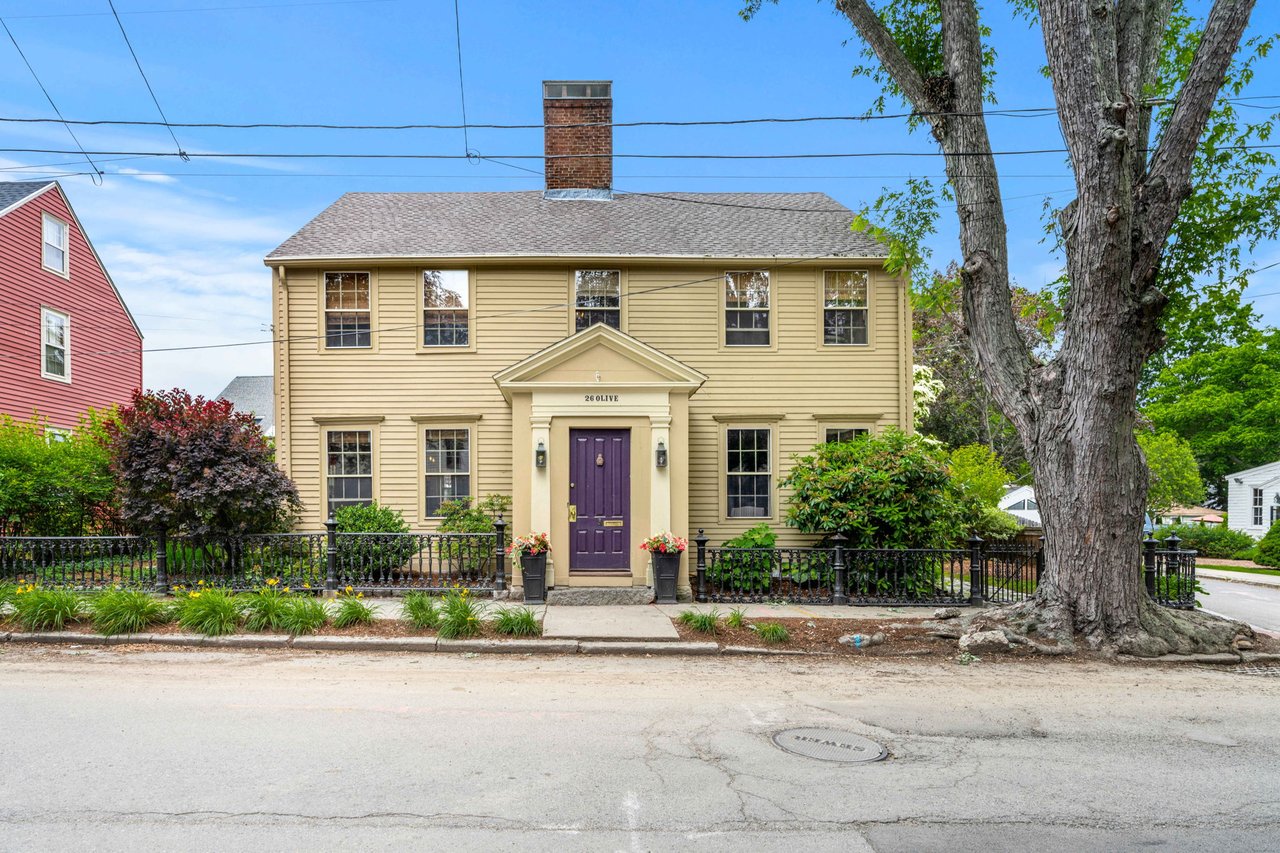
Torn between a charming downtown condo and a single-family home with a yard in Newburyport? You are not alone. Many buyers weigh walkability, maintenance, outdoor space, commute, and flood risk before they decide. In this guide, you will compare both options across the factors that matter most and leave with a clear action plan for your next step. Let’s dive in.
How Newburyport shapes your choice
Newburyport blends historic downtown living, waterfront access, and a commuter rail link into Boston. The city’s walkable core draws buyers who want convenience and lifestyle, while surrounding neighborhoods offer more space and privacy. You will also navigate unique considerations like the Historic District and coastal resiliency.
Before you choose, review local rules and resources. Explore the City of Newburyport’s Historic District and permitting context on the City of Newburyport website, check flood zones through the FEMA Flood Map Service Center, and review commuter rail options on the MBTA Newburyport/Rockport Line. For state mapping and coastal data, consult MassGIS.
Condo vs single-family: quick comparison
Choose a downtown condo if:
- You want top-tier walkability to restaurants, shops, and the waterfront.
- You prefer low day-to-day maintenance and shared exterior upkeep.
- You are comfortable with limited private outdoor space and shared walls.
- You can accept variable HOA fees and potential special assessments.
- You value proximity to the commuter rail and downtown amenities.
Choose a single-family home if:
- You need a yard, garage, and more privacy.
- You want control over exterior changes or potential expansions, subject to permits.
- You prefer on-lot parking and extra storage.
- You want to manage maintenance on your own schedule and budget.
- You prioritize resale to a broader pool of buyers that often seeks detached homes.
Lifestyle and walkability
Downtown condo living
If you love stepping out to coffee, dining, and the harbor, a downtown condo delivers. The smaller footprint reduces upkeep and supports a lock-and-leave lifestyle. Trade-offs include limited outdoor space, possible street noise, and layout constraints in historic conversions.
Single-family lifestyle
Detached homes around Newburyport usually offer more square footage, a yard for pets or play, and quieter residential streets. You will likely drive or bike to downtown, and you will handle more routine chores like landscaping, snow removal, and exterior care.
Maintenance, renovations, and rules
Condos: shared upkeep and approvals
Condo associations commonly handle exterior maintenance, roofing, landscaping, snow, and building insurance, which can simplify ownership. Interior improvements are usually yours to manage, while exterior or structural changes often require association approval. In the Historic District, some projects may also trigger local review. Familiarize yourself with guidelines via the City of Newburyport and request the condo’s bylaws, budget, reserve study, master insurance policy, and recent meeting minutes.
Single-family: full control and full responsibility
With a detached home, you control the exterior, yard, and upgrades, subject to permits and any Historic District oversight if applicable. Plan thorough inspections, especially for older homes that may have legacy systems like knob-and-tube wiring or lead paint. Budget for roof, siding, HVAC, and landscape maintenance over time.
Monthly costs: fees, taxes, insurance
HOA fees and reserves
Condo fees vary based on building age, services, and amenities. Review what is included, from master insurance to heat or hot water, and study the reserve balance and capital plan. Ask about past and planned special assessments and read 12 to 24 months of meeting minutes.
Property taxes
Newburyport taxes apply to both condos and single-family homes based on assessed value. Confirm current rates and billing schedules through the City of Newburyport’s tax information. Factor taxes into your total monthly payment and compare across property types at similar price points.
Insurance and flood coverage
Condo owners typically carry an HO-6 policy for interior coverage and personal property, while the association carries a master policy. Single-family owners carry broader homeowners insurance for structure and contents. Properties in FEMA flood zones may require separate flood insurance. Check your specific address with the FEMA Flood Map Service Center, and consider state mapping resources via MassGIS.
Privacy, outdoor space, and parking
Condos
Expect limited private outdoor areas such as a balcony or shared courtyard. Parking downtown can be constrained, with on-street permits, municipal lots, or deeded/assigned spots that vary by building. Storage can be tight, so confirm any deeded storage or unit closets.
Single-family
Most detached homes provide a yard, driveway, and often a garage, which improves day-to-day convenience for multi-car households and hobby storage. You will manage yard care and seasonal maintenance, but you gain flexibility for outdoor living.
Schools and community access
Newburyport Public Schools serve the community. If schools are part of your decision, verify attendance boundaries, enrollment steps, and program offerings directly with the Newburyport Public Schools district. Also weigh access to parks, the riverfront, and Plum Island beach when comparing specific addresses.
Commute and regional connections
The MBTA Newburyport/Rockport Line offers direct service into Boston. Check current schedules and fares on the MBTA, and consider how close you want to be to the station. For drivers, proximity to Route 1, I-95, and the 128 corridor can influence commute times depending on your exact location.
Flood and climate risk
Waterfront and low-lying downtown blocks can be in FEMA flood zones or face tidal flooding. Always confirm the property’s flood zone, request an elevation certificate when available, and factor potential flood insurance into your monthly budget. Explore local planning and resilience resources on the City of Newburyport site and review mapping through the FEMA Flood Map Service Center and MassGIS.
Micro-neighborhoods: what shifts the balance
Historic Downtown and Waterfront
This is where you will find most condo inventory, historic charm, and premium walkability. Weigh limited parking, potential flood exposure on certain blocks, Historic District oversight, and a lifestyle premium for location.
The Basin and Riverfront
A mix of condos and single-family homes with water views. Expect distinct insurance and flood considerations and a price premium tied to views and access.
North End, South End, and outer neighborhoods
Quieter streets with more detached homes and yards. If you want more space and private outdoor areas, these neighborhoods are often a strong fit. Plan for a short drive or bike ride to downtown.
Nearby towns to consider
If you need more land or lower density, explore neighboring communities like West Newbury, Rowley, and Salisbury. You can stay near Newburyport’s services within a short drive while gaining different lot sizes and housing options.
Resale, appraisal, and financing
Downtown condos tend to attract buyers who prioritize location and lifestyle. Resale can hinge on the building’s condition, association health, and owner-occupancy levels. Detached homes often reach a broader pool of buyers that values space and yards, which can support resale in many market cycles. That said, both markets are sensitive to local trends, so study recent comparable sales before you bid.
Lenders may apply specific rules for condos, including project approval and owner-occupancy thresholds. Properties in flood zones can also face additional lender and insurance requirements. Start financing discussions early, especially if you are evaluating a historic condo or a waterfront address.
What to review before you buy
Condo buyer checklist
- HOA documents: bylaws, budget, reserve study, master insurance, and 12 to 24 months of meeting minutes.
- Special assessments: history, timing, and planned capital projects like roofs or facade work.
- Parking and storage: deeded spaces, permit rules, and any storage units.
- Historic District implications for exterior changes, if applicable.
- Building envelope and moisture history, especially in older conversions.
- Flood zone status and elevation certificate when available.
- Owner-occupancy ratio and rental policy, which can affect financing and community stability.
- Utilities and services included in HOA fees versus unit-owner responsibilities.
Single-family buyer checklist
- Sewer versus septic confirmation and any septic inspection or permit history.
- Roof, foundation, chimney, and exterior condition, plus specialized inspections for older homes.
- Evidence of flooding or water intrusion on riverfront or low-lying lots.
- Historic District permit history if within regulated areas.
- Utility capacity and age: heating system, electrical service, and municipal water details.
- Yard drainage, tree condition, and setback constraints for potential additions.
Next steps
- Clarify your must-haves and nice-to-haves using the checklists above.
- Get pre-approved with a lender that understands condos and coastal properties.
- Check flood maps for any address on your shortlist and price out insurance.
- If considering waterfront or downtown locations, visit during high tide or storm conditions.
- Review HOA documents or city records early so you can move fast when the right home appears.
When you are ready, schedule a private consult with Kevin Fruh. You will get local insights, a clear plan, and a white-glove process from search through closing.
FAQs
How much are HOA fees in Newburyport condos?
- HOA fees vary by building, services, and age. Ask for the budget, reserve study, and recent meeting minutes, then compare your total monthly costs, including mortgage and HOA, with similarly priced single-family homes.
Are downtown Newburyport condos at flood risk?
- Some waterfront and low-lying blocks are in FEMA flood zones or subject to tidal flooding. Check your address on the FEMA Flood Map Service Center and factor potential flood insurance into your budget.
Can you renovate a historic condo in Newburyport?
- Interior updates are typically allowed, while exterior or structural changes often require HOA approval and may need Historic District review. Explore local rules on the City of Newburyport site.
Is condo financing harder than a house in Newburyport?
- It can be more complex. Many lenders require condo project approval and review owner-occupancy ratios, budgets, and insurance. Start conversations early if you are eyeing a historic or investor-heavy building.
Which holds value better in Newburyport: condos or houses?
- It depends on the micro-market and buyer pool. Detached homes often appeal to more buyers who want space and yards, while downtown condos hold value for location-focused buyers. Study recent comparable sales before deciding which fits your goals.