Waterfront or waterview, how much is the difference worth in Newbury? If you are eyeing Plum Island, the Parker River, or a marsh-view cottage, it is normal to wonder what you are really paying for. You want the scenery and lifestyle, but you also need clarity on value, risk, and long-term costs. This guide breaks down what “waterfront” and “waterview” mean locally, how each impacts price, and practical ways to quantify the premium so you can buy or sell with confidence. Let’s dive in.
What counts in Newbury
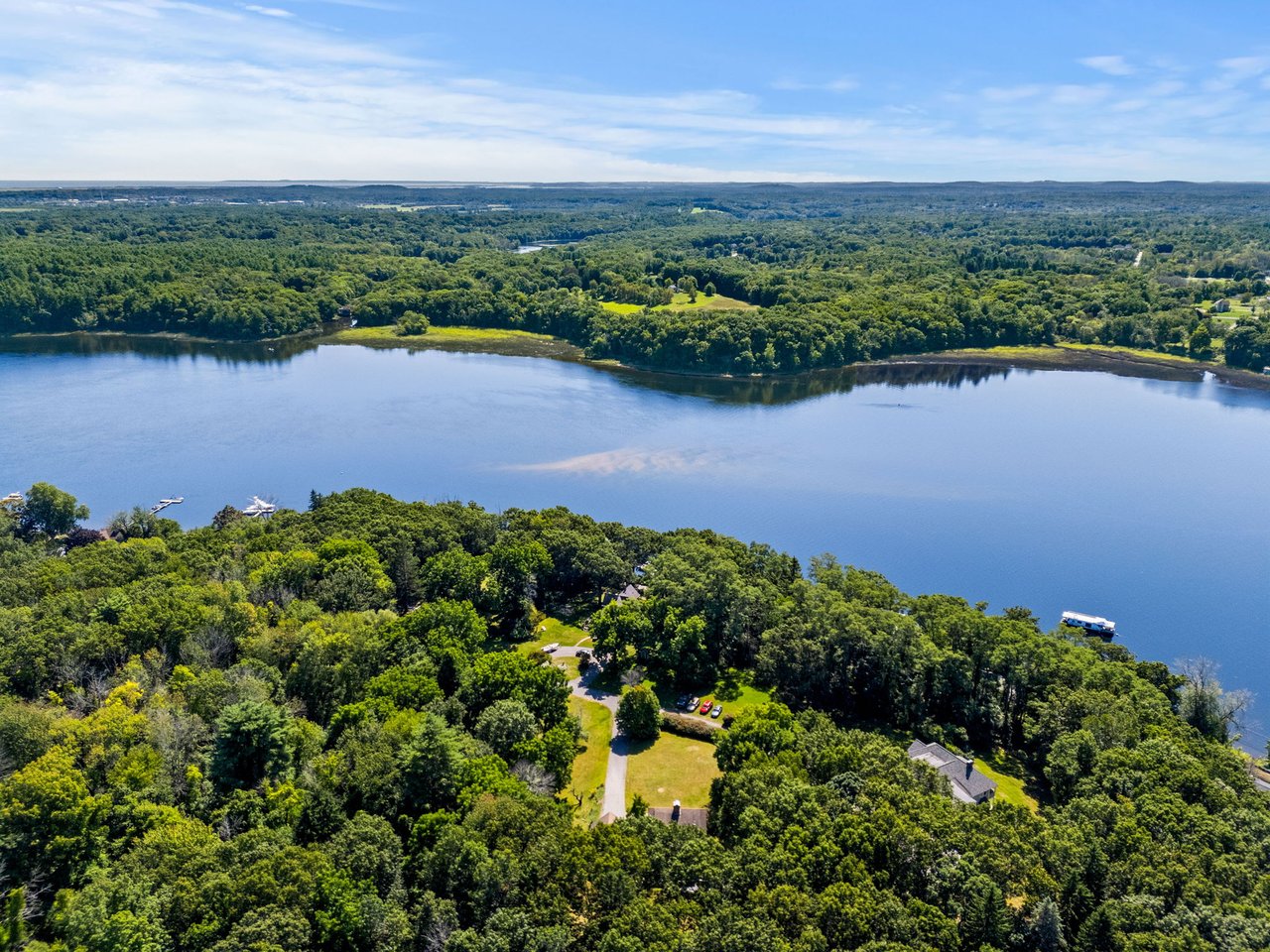
Not all water proximity is equal. In Newbury, waterfront means your property touches the water and you have direct access, such as a beach, riverbank, or dock. Waterview means you can see water, but you do not have direct, deeded access.
Subtypes matter too. Along the Newbury coast you will find oceanfront homes on Plum Island, riverfront on the Parker River, estuary and marsh frontage along High Road, Middle Road, Pine Island, and more. Each subtype draws a different buyer pool and carries different rules and risks.
Massachusetts adds a layer of regulation. Shoreline use often falls under the public trust doctrine and Chapter 91 licensing for structures on or over tidelands. Before you alter shoreline features or consider a dock, review the state’s coastal rules with the Massachusetts Office of Coastal Zone Management and Chapter 91 waterways licensing. Locally, the Town of Newbury Conservation Commission oversees permitting near wetlands and shorelines.
Why waterfront commands a premium
Direct access is the primary driver. Private beach or dock rights, the ability to launch a kayak from your yard, and unobstructed vistas all raise demand. Orientation matters, for example, wide water exposure or sunrise and sunset views add appeal.
Scarcity also pushes prices higher. Truly private, buildable waterfront lots are limited in Newbury. Some buyers factor in potential rental income for seasonal use, but always confirm local rules before you count on that revenue.
Key takeaway: Waterfront can justify a sizable premium because of access, exclusivity, and lifestyle. The exact premium in Newbury depends on recent local sales, risk, and property specifics.
What boosts waterview value
Waterview homes sell for more than non-water properties because views add daily enjoyment and a sense of place. You may avoid many costs tied to direct frontage, such as seawall care or dock upkeep. Some buyers prefer the privacy and lower insurance exposure of waterview settings.
Key takeaway: Waterview is a strong middle ground, delivering scenery without many of the maintenance and permitting obligations of true waterfront.
Risks and costs that shape price
Flood zones affect insurance, financing, and long-term value. Newbury waterfront parcels often sit in FEMA AE or V zones, which can require flood insurance for financed purchases. Check the FEMA Flood Map Service Center to confirm the zone and ask for an elevation certificate when evaluating a property. You can review flood insurance options with the National Flood Insurance Program and private carriers.
Sea-level rise and storm surge are long-term considerations, especially on barrier beaches like Plum Island. Use the NOAA Sea Level Rise Viewer and MassGIS coastal data to assess future exposure and local hazard layers. These tools help you weigh durability and resale prospects.
Maintenance and permitting can be meaningfully higher on waterfront. Shoreline stabilization, dune care, dock repairs, or seawalls may require ongoing investment and multi-agency approvals. In Massachusetts, Chapter 91 can apply to structures over tidelands, and local Conservation review is common. Title V septic compliance can also be a factor on coastal lots, so budget for inspections and potential upgrades.
Bottom line: Risk and carrying costs are not deal-breakers, but they must be priced in. Buyers use them to negotiate, and sellers should address them proactively.
How to quantify the premium locally
You should not rely on a national rule of thumb. Newbury pricing is hyper-local and varies by water type, access, flood risk, elevation, and the quality of the view. Use a methodical approach.
Matched-pair comparisons
- Identify two very similar homes in the same micro-area, one waterfront and one waterview or non-water.
- Confirm similar square footage, age, condition, and lot attributes; isolate the main difference as view and access.
- Compare sale prices to estimate an absolute and percentage premium.
- Repeat the exercise with multiple pairs to build a range.
Simple statistical modeling
- Use a larger set of Newbury and adjacent coastal sales and regress sale price on size, beds, baths, condition, lot size, flood zone, and waterfront or waterview indicators.
- This helps separate the value of the water attribute from other features.
- It requires clean data, but it can validate or refine matched-pair results.
Frontage and exposure metrics
- For riverfront or oceanfront, calculate price per linear foot of water frontage.
- Adjust for view width, elevation, orientation, and access type, such as private dock or shared beach.
Feature-based price per square foot
- Start with the local price per square foot for similar non-water homes.
- Add value for specific features, such as private beach rights, dock, panoramic view, or elevated lot outside the highest-risk zone.
- Derive the add-ons from recent, nearby comps.
Data to collect for Newbury
- Closed sales from the past 24 to 36 months, tagged as waterfront, waterview, or neither.
- Price per square foot, days on market, list-to-sale ratio, and seasonality.
- Feature details, such as frontage feet, dock or mooring, deeded access, elevation, FEMA zone, septic status, and year-round vs seasonal use.
- Town assessor and Conservation records for improvements and permits.
Pro tip: Use mapping with the FEMA portal, NOAA Viewer, and MassGIS alongside MLS data to align sales with risk and elevation. The right overlay can explain price gaps that comps alone do not.
Buyer checklist
- Confirm water classification. Is it true waterfront with deeded access, or waterview only? Verify rights of way and any shared access.
- Check flood zone and elevation. Pull FEMA maps, ask for an elevation certificate, and price insurance before you offer.
- Review permitting history. Look for Chapter 91 licenses and Conservation approvals for docks, seawalls, or dune work.
- Inspect systems and structures. Order Title V, have coastal structures reviewed, and confirm utility resilience in storms.
- Clarify docking and mooring rights. Verify in the deed and with the municipality, do not assume.
Seller strategy
- Lead with access specifics. Document frontage length, deeded rights, dock details, and orientation. These facts drive the premium.
- Disclose risk upfront. Provide flood zone, mitigation measures, and insurance context to reduce surprises during underwriting.
- Market the view and setting. Use high-quality photography and, when appropriate, aerials to capture exposure and privacy.
- Price to local comps. Overpricing on the assumption of a “waterfront bump” can stretch days on market; underpricing leaves money on the table.
Appraisals and financing
Appraisers will reach for the closest, most comparable coastal sales, sometimes including nearby towns when Newbury’s sample is thin. Expect larger adjustments when comp inventory is limited. If the appraised value trails the contract price because of a strong waterfront premium, be ready with matched-pair support, additional comps, or financing strategies to bridge a gap.
Lenders will review flood maps and insurance requirements. In higher-risk zones, you may see stricter underwriting and larger down payments. Build these realities into your timing and negotiation plan.
Local context matters
Newbury’s coastal micro-markets, from Plum Island’s barrier beach to Parker River estuaries, do not behave like inland metro markets such as Cambridge–Newton–Framingham. Buyer profiles, inventory, and risk vary, which is why matched local comps, risk overlays, and permitting nuances are essential for accurate pricing. Use nearby coastal towns for supplemental comps if needed, but prioritize Newbury when possible.
Work with a local advisor
Water proximity is both a privilege and a puzzle. The right partner will quantify the premium, surface risks early, and position your property or offer with confidence. That is where seasoned, local guidance and premium marketing make a measurable difference.
If you want a clear, evidence-based number for your home or target purchase, request your complimentary valuation with Kevin Fruh. Kevin’s team combines deep local expertise, rigorous comp analysis, and high-touch service with Gibson Sotheby’s global reach to help you buy or sell on the coast with certainty.
FAQs
How much more does a waterfront home sell for in Newbury?
- It depends on access, view quality, risk, and recent comps; use matched-pair analysis with local sales to calculate a Newbury-specific premium.
Is a waterview almost as valuable as waterfront for resale?
- Waterviews often earn a smaller premium but attract buyers who want scenery without higher risk and maintenance, so resale depends on scarcity and view quality.
How do I check a property’s flood risk before buying in Newbury?
- Review FEMA flood maps, ask for an elevation certificate, and layer NOAA and MassGIS tools to understand surge and sea-level exposure.
Will flood insurance make a coastal home unaffordable?
- Costs can be significant in AE and V zones and affect qualification; get firm quotes early so you can budget accurately and negotiate with clarity.
Do waterfront owners automatically have dock or mooring rights?
- Not necessarily; rights must be confirmed in the deed and through local allocations or licenses, so verify before you offer.
How do appraisals account for waterfront premiums?
- Appraisers rely on the best local comparables and adjust for view and access; be prepared with matched-pair evidence and nearby coastal comps if inventory is thin.