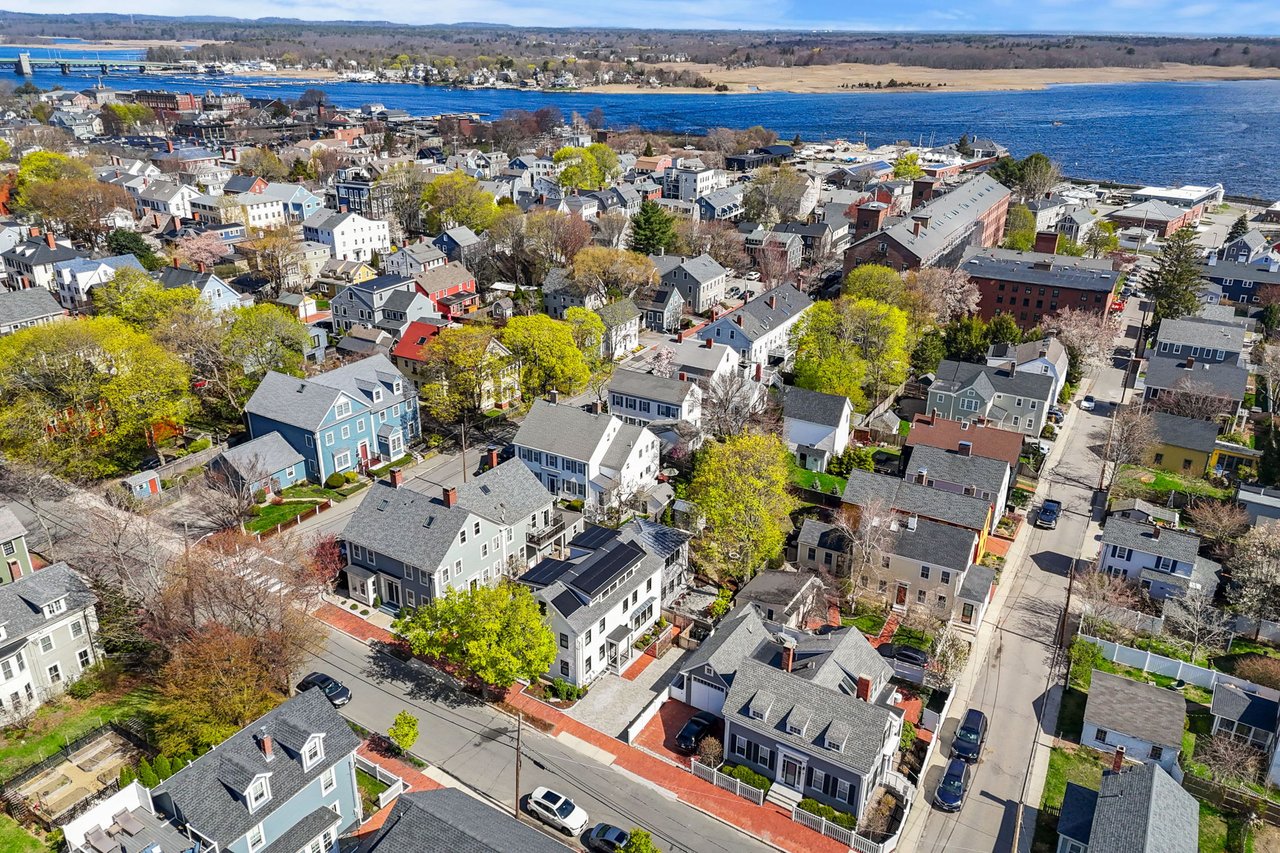
Buying in Newburyport is exciting, but the final stretch can feel confusing when you start seeing fees and figures you did not expect. You want a clear picture of what you will pay, who pays what, and how to plan with confidence. In this guide, you will learn the typical closing costs for Newburyport buyers, how Massachusetts rules shape them, and where to find exact local numbers. Let’s dive in.
What closing costs cover
Closing costs are the third party fees, taxes, prepaids, and lender charges you pay at the closing table. They are separate from your down payment. You will see items like lender fees, the appraisal, title work, insurance, prepaids for taxes and interest, and recording costs.
Most buyers can plan for a total between 2% and 5% of the purchase price. In a higher price market like Newburyport, the dollar amounts will be larger even if the percentage stays within this range. Your lender will give you transaction specific estimates so you can budget accurately.
For a plain language overview, the Consumer Financial Protection Bureau explains what is included in closing costs and how they work in its guide on what closing costs are.
Who pays what in Massachusetts
In Massachusetts, many costs are negotiable. Local custom often has the seller covering the real estate commission and the state deed excise tax, while buyers cover mortgage related fees, title and recording fees, inspections, and prepaids. That said, the purchase and sale agreement controls who pays what.
You should confirm local practice and your specific contract terms with your agent and attorney. If there is a condominium association or special assessment, you will also want clarity on prorations or fees due at closing.
What Newburyport buyers typically pay
Loan and lender charges
- Origination or processing fee. Often 0.5% to 1.5% of the loan amount or a flat fee.
- Discount points. Optional, equal to 1% of the loan amount per point to lower your rate.
- Appraisal. Commonly $450 to $1,000+ depending on the home.
- Credit report and rate lock fees. Smaller charges that vary by lender.
Third party services
- Home inspection. General inspection often $300 to $700, with radon, pest, chimney, or oil tank inspections extra.
- Title search and title insurance. A lender policy is required and an owner’s policy is optional but recommended. Costs vary by purchase price and insurer, typically several hundred to a few thousand dollars.
- Survey. Sometimes requested, often $300 to $1,200+ depending on lot size.
For background on why title insurance matters, the American Land Title Association offers consumer guidance on title insurance basics.
Recording and taxes in MA
- Recording fees. Deeds and mortgages are recorded at the Essex County Registry of Deeds. Newburyport is served by the Northern Essex Registry. You can check current procedures and search tools through MassLandRecords for Northern Essex.
- State deed excise. Massachusetts assesses a deed excise when the deed is recorded. This is often paid by the seller by custom, but it is negotiable. For current rules and context, see the Massachusetts deed excise tax overview.
Prepaids and escrow
- Homeowner’s insurance. Lenders typically require the first year’s premium paid at or before closing.
- Property tax prorations. You and the seller split taxes based on the closing date. Check local tax details with the City of Newburyport Treasurer and Collector.
- Escrow deposits. Lenders commonly collect 2 to 3 months of taxes and insurance to start your escrow.
- Prepaid mortgage interest. Covers interest from your closing date to your first payment.
Local coastal factors
- Flood zones and insurance. Some Newburyport properties are in FEMA special flood hazard areas near the Merrimack River or coastline. If your home is in a mapped flood zone and you have a federally backed loan, flood insurance will be required. Check your exact address on the FEMA Flood Map Service Center and ask your lender about any flood certification fee and insurance requirements.
- Septic systems. If the property has a septic system, Massachusetts Title V rules apply. A Title V inspection or certificate may be required at sale and can affect timing and costs. Learn more at MassDEP’s Title 5 septic systems page.
- Condo or HOA items. You may see fees for condo document certificates or your first month or quarter of dues.
Professional and miscellaneous fees
- Real estate attorney. In Massachusetts, attorneys commonly handle closings. Buyer attorney fees often range $500 to $1,500+, depending on complexity.
- Settlement or escrow fees. Charged by the closing attorney or title company.
- Wires and couriers. Modest fees for fund transfers or document delivery.
Sample cost scenarios
These examples are illustrative, not quotes. Your lender and attorney will provide exact figures for your transaction.
Example A: $400,000 purchase
- 2.0% total about $8,000
- 3.0% total about $12,000
- Common line items: appraisal $600, title and lender policy $1,200, loan origination $2,000, prepaids and escrow $2,500, inspections $600, recording $300, attorney $1,000.
Example B: $700,000 purchase
- 2.0% total about $14,000
- 3.0% total about $21,000
- Several costs scale up with price and loan amount, including title premiums, lender fees, and escrow deposits.
Example C: $1,000,000 purchase
- 2.0% total about $20,000
- 3.5% total about $35,000
Timing and required disclosures
Federal TILA RESPA rules help you see your closing numbers early and avoid surprises. After you apply for a mortgage, your lender must issue a Loan Estimate within 3 business days so you can compare fees and rates across lenders. At least 3 business days before closing, you will receive a Closing Disclosure with your final numbers.
Review the CFPB’s plain language guidance on the Closing Disclosure timeline and details. Use this window to ask questions, confirm wire instructions by phone, and resolve any last minute changes.
How to reduce your costs
- Compare lenders. Request Loan Estimates from at least two or three lenders. Small differences in origination fees, points, or rates can save you thousands over time.
- Ask for credits. You can negotiate seller concessions or a closing credit in your offer. Limits may apply based on your loan program and the appraised value.
- Price out title and settlement services. In many cases you can shop title and closing services. Ask your attorney which items are shoppable.
- Review first time buyer programs. Massachusetts offers programs that can assist with favorable loans or closing cost support. See MassHousing homebuyer programs and the Massachusetts Housing Partnership’s ONE Mortgage program.
- Time your closing. Closing later in the month can reduce the amount of per diem interest you prepay, though you should not force timing if it adds other risks.
Newburyport buyer checklist
- Early
- Get preapproved and request Loan Estimates from multiple lenders.
- Discuss flood maps, Title V, and condo or HOA questions with your agent and attorney.
- Mid
- Schedule inspections, including radon and other specialists if needed.
- Your lender orders the appraisal. Keep your timeline on track.
- Pre closing
- Review your Closing Disclosure at least 3 business days before closing.
- Question any fee that does not match your Loan Estimate.
- Confirm final funds and verify wire instructions by phone using known numbers to avoid wire fraud.
- Day of closing
- Bring a government ID and proof of homeowner’s insurance.
- Confirm the amount and delivery method for your closing funds.
- After closing
- Save your settlement statement for tax records.
- Confirm that your deed and mortgage were recorded with the registry.
Trusted local resources
- Understand what closing costs include with the CFPB’s guide on closing costs.
- Review your Closing Disclosure timeline and details.
- Check deed excise context at Massachusetts deed excise tax.
- Look up recording information for Newburyport at MassLandRecords for Northern Essex.
- Get local tax and billing details from the City of Newburyport Treasurer and Collector.
- Learn about Title V septic system requirements.
- Verify your property’s flood zone using the FEMA Flood Map Service Center.
- Explore down payment and closing cost help from MassHousing homebuyer programs and the MHP ONE Mortgage program.
- Read consumer friendly title insurance basics.
Ready to plan your numbers
As you get closer to making an offer in Newburyport, knowing your closing costs gives you an edge. You will feel more confident, you can structure your offer to include the right credits, and you will move through attorney review and lender underwriting with fewer surprises. If you want a tailored estimate and a smooth, high touch process from offer to keys, connect with Kevin Fruh’s team to get local, step by step guidance.
FAQs
Who pays the Massachusetts deed excise tax
- It is negotiable in the contract, but it is traditionally paid by the seller in Massachusetts. Confirm your agreement’s terms and any local practice.
Can the seller help with my closing costs in Newburyport
- Yes. You can ask for seller concessions or a credit at closing. Your loan program and appraisal may limit the amount.
How do I get a precise closing cost number
- Your lender must provide a Loan Estimate within 3 business days of application and a final Closing Disclosure at least 3 business days before closing.
Are any closing costs tax deductible for buyers
- Some items like mortgage interest and certain points may be deductible. Most fees like appraisal or title are not. Ask a tax professional for guidance.
Do I need flood insurance in Newburyport
- If your home is in a FEMA special flood hazard area and you have a federally backed loan, flood insurance will be required. Check your address on FEMA’s map tool.
What should I bring to my Massachusetts closing
- A government ID, proof of homeowner’s insurance, and certified or wired funds per your Closing Disclosure. Always verify wire instructions by phone to avoid fraud.