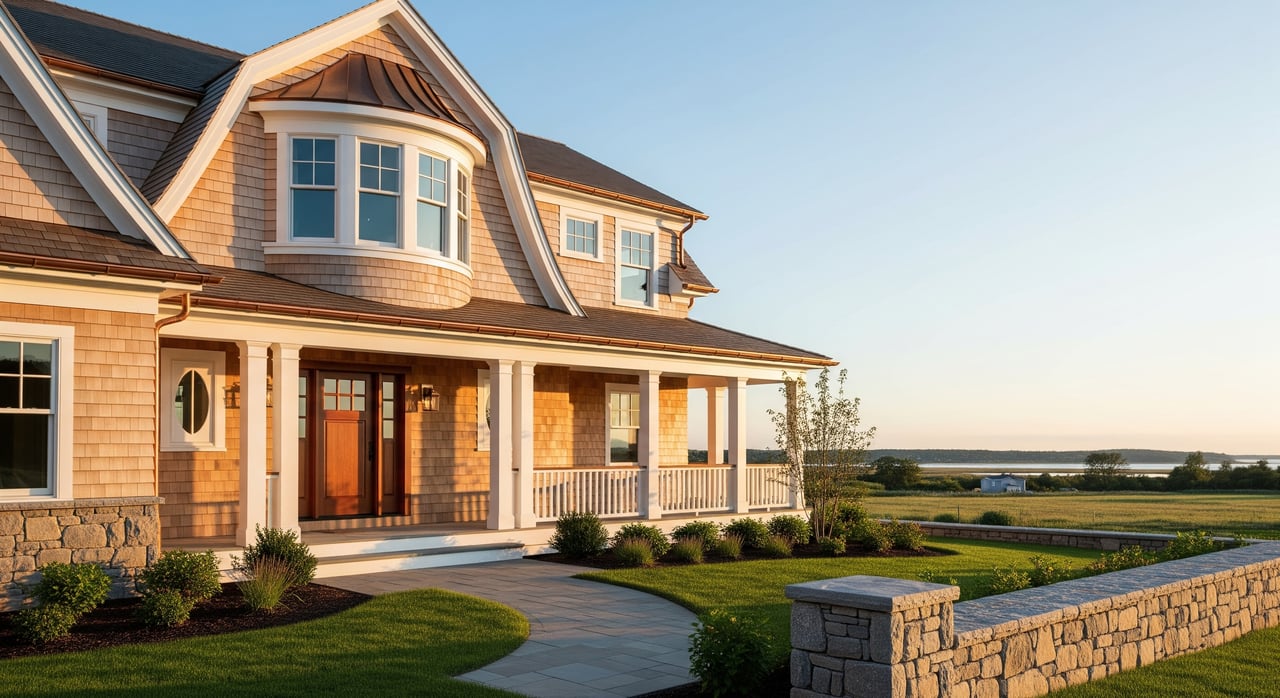
You want your West Newbury new build to be smooth, on budget, and beautifully finished. The builder you choose will make the biggest difference in that outcome. From septic and wells to wetlands and ledge, local details matter here. This guide walks you through what to look for, how permitting works, and the questions that separate strong builders from risky bets. Let’s dive in.
Why local experience matters
West Newbury offers a mix of village lots and larger rural parcels. Many sites rely on private wells and septic, and some are near wetlands or in mapped flood zones. A builder who already navigates these conditions can protect your budget and timeline.
- Septic and wells. Expect a septic design approved by the Board of Health and careful well siting on many parcels.
- Wetlands and conservation. The Massachusetts Wetlands Protection Act applies. Buffer zones and stormwater needs can limit where you build.
- Floodplain and FEMA maps. Flood zones can affect foundation design and insurance costs.
- Utilities and access. Natural gas can be limited in rural areas, and driveway permits or road bonding may be required.
- Bedrock and ledge. Ledge is common in New England and can increase excavation costs.
- Historic or neighborhood rules. Local bylaws and historic reviews may apply near protected areas.
A builder with recent West Newbury and Essex County projects will know how to map these issues early, price them accurately, and sequence permits correctly.
Permits and approvals in West Newbury
New construction requires coordination with several town offices and compliance with state codes. Ask any builder how they handle this workflow.
- Building Department and Building Inspector. Building permits and inspections at footing, framing, mechanicals, insulation, and final.
- West Newbury Board of Health. Septic approvals, Title 5 compliance, and sometimes well siting.
- Conservation Commission. Filings for work in wetland areas or buffer zones, plus stormwater considerations.
- Planning Board and ZBA. Site plan review, special permits, and variances when needed.
- Town Clerk and Historical Commission. Historic-area reviews or recorded covenants when applicable.
Codes and compliance
- Massachusetts State Building Code governs structural, fire, and life safety.
- Massachusetts energy code guides insulation, air sealing, and mechanical efficiency. Some projects require energy compliance documentation and blower-door testing.
- Title 5 regulates septic design, inspections, and approvals.
- Environmental rules, including the Wetlands Protection Act, overlay local requirements.
Plans and inspections you can expect
- Site plan and engineered drawings stamped by a licensed professional.
- Soil evaluation and septic design by a qualified evaluator or engineer.
- Structural, mechanical, and energy compliance documentation.
- Required municipal inspections and trade inspections by licensed electricians, plumbers, and gas fitters.
How to vet a builder
Your due diligence up front is the best insurance for a successful build. Focus on proof, process, and recent local results.
Credentials to verify
- Current Massachusetts registration and any required license or registration number.
- General liability and workers’ compensation insurance with certificates provided.
- A portfolio of completed new homes in West Newbury or nearby Essex County towns.
- Recent client references you can call, plus homes you can visit.
- Industry memberships and positive consumer ratings can help, but should not replace direct verification.
Questions to ask every builder
- How many years have you built in West Newbury or Essex County?
- Can you share three recent references and let me visit finished homes?
- Are you registered or licensed as required in Massachusetts? Please provide documentation.
- What insurance do you carry? Please provide certificates.
- Who are your key subcontractors, and how long have you worked together?
- How do you handle ledge, wetlands, or other unforeseen site conditions?
- What permits will we need for this lot, and who handles applications?
- What is your standard contract and payment schedule? What is your average change-order history?
- What warranty do you provide, and is there third-party structural coverage?
- How do you meet energy code requirements and handle performance testing?
Contract must-haves
- Clear scope and specifications that list materials, brands, and finishes.
- Pricing structure that defines fixed price versus cost plus and itemizes allowances.
- A defined change-order process that shows pricing and schedule impacts before approval.
- Payment milestones tied to progress, plus any retainage or holdbacks.
- Completion and punch-list steps tied to the Certificate of Occupancy.
- Warranties, including typical 1-year workmanship and details on any third-party structural warranty.
- Dispute resolution, site cleanup, and landscape responsibilities spelled out.
Red flags to avoid
- Large upfront deposits before work begins.
- No local references or portfolio of completed homes.
- Reluctance to share written contracts, insurance certificates, or registration numbers.
- Vague change-order rules and open-ended allowances.
- Reviews that cite unfinished punch lists, repeated delays, or unresolved warranty claims.
Timeline you can expect
Every site and season is different, but here are typical ranges. Confirm specifics with the town and your builder.
- Pre-construction due diligence, 1 to 4 weeks. Gather deeds, plot plans, and septic records and engage design support.
- Design and approvals, 4 to 16 weeks. Final drawings, engineering, septic submission, and any conservation or zoning filings.
- Permitting, 2 to 12 weeks. Building permit after all approvals and plan reviews.
- Construction, 6 to 12 months. Site work, foundation, framing, enclosure, rough mechanicals, insulation, and finishes.
- Final inspections and punch list to Certificate of Occupancy.
- Post-construction, 1 to 10 years. Workmanship and structural warranties as documented in your contract.
Budget and financing basics
- Construction loans. Many buyers use a construction or construction-to-permanent mortgage. Lenders often require the builder’s credentials, insurance, and draw inspections.
- Allowances. Your contract may include allowances for cabinets, flooring, and appliances. Clarify unit costs and how overages are priced.
- Contingency. A 5 to 10 percent contingency can protect you from ledge, soil surprises, or code-required changes.
- Builder approval. Some lenders require your builder to be on an approved list or meet certain insurance thresholds. Confirm early to avoid delays.
Your pre-hire checklist
Use this quick list to compare apples to apples across multiple bids.
- Obtain and compare three written bids with full specifications.
- Verify the builder’s Massachusetts registration and insurance certificates.
- Collect and call at least three recent references and visit completed homes.
- Review a sample contract and consider legal review for large projects.
- Confirm who pulls permits and will be listed as the permit holder.
- Gather your deed, survey or plot plan, tax parcel info, septic records, and any covenants.
- Ask about timeline, subcontractors, communication cadence, and change-order process.
- Request warranty documents and a sample punch list.
How a local advisor helps
Choosing the right builder is only part of the equation. You also want the right lot, the correct permits in the right order, and a contract that protects your budget. A local advisor who understands West Newbury’s septic, well, and wetlands landscape can help you evaluate sites, connect with proven builders, and keep the process moving. If you are also selling a current home, planning the sequence of sale, financing, and move is just as important.
If you are considering a new build in West Newbury or nearby Essex County towns, reach out to discuss your plan, review builder shortlists, and align timelines. When you are ready to take the next step, connect with Kevin Fruh for local guidance and a smooth process from lot to closing.
FAQs
What permits do I need to build a home in West Newbury?
- You will typically need approvals from the Building Department, Board of Health for septic, and the Conservation Commission if wetlands are involved, plus any Planning Board or ZBA actions if special permits or variances are required.
Do I need a septic system for a new home in West Newbury?
- Many parcels use on-site septic, which means a soil evaluation and engineered septic design that must be approved by the Board of Health under Title 5 requirements.
How long does new construction usually take in West Newbury?
- Plan for design and approvals in 4 to 16 weeks, permitting in 2 to 12 weeks, and construction in 6 to 12 months, with exact timing based on site conditions, permits, builder capacity, and weather.
What should a new home warranty include?
- Many builders provide a 1-year workmanship warranty and may offer a longer structural warranty, sometimes backed by a third-party provider; verify coverage details and claims procedures in writing.
How do construction loans work for Massachusetts new builds?
- Lenders commonly offer construction or construction-to-permanent loans that fund in draws tied to inspections and may require your builder’s registration, insurance, and approval on the lender’s builder list.